Attic insulation can affect far more than the temperature of the rooms directly below the roof. In a Delmarva home, insulation, air leaks, ventilation, ductwork, and heating and cooling equipment interact. This guide explains how to observe conditions, sort through likely causes, and plan next steps without assuming that one symptom has one fix.
Request an attic insulation evaluation
What does attic insulation do in a whole-home comfort system?
Bay Care Heating & Air views attic insulation as one part of a home’s overall performance. Insulation slows heat transfer; air sealing limits unwanted air movement. Ventilation, ducts, and HVAC operation also influence comfort. A room that feels uncomfortable may have several contributing conditions, so insulation alone is not always the full answer.
In warm weather, heat in an attic can affect the ceiling below. In cold weather, heat escaping through the upper boundary can make rooms harder to keep comfortable. A weak supply-air path, leaky duct, or gap around a ceiling penetration may also contribute. Understanding the combination helps avoid treating a symptom without investigating its cause.
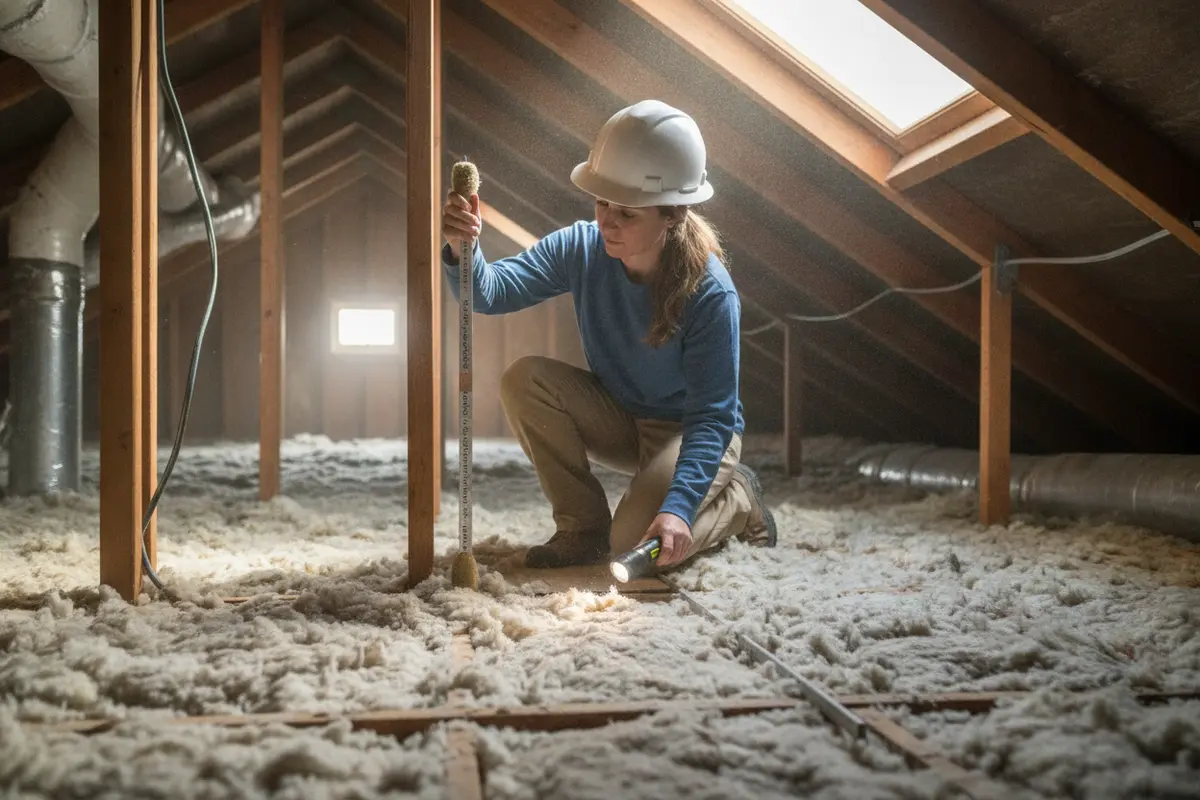
Think of the attic as a connected assembly rather than a pile of insulation. The ceiling boundary, access hatch, framing, openings for wiring or plumbing, and any ducts or equipment each create different questions. A useful review considers how these components work together and whether the reported comfort problem matches what is visible.
What signs suggest the attic deserves a closer look?
Bay Care recommends looking for a pattern, not treating any single clue as proof that insulation needs replacing. Record where and when the problem occurs. These observations can help focus a professional assessment.
- Uneven room comfort: Upper-floor rooms feel notably warmer in summer or colder in winter than the rest of the home.
- Drafts near the ceiling: Air movement near a hatch, ceiling fixture, or attic stair may point to an air-sealing issue.
- Visible gaps or uneven coverage: Material may have shifted, compressed, or been disturbed around stored items or earlier work.
- Slow or inconsistent response: Rooms respond slowly to thermostat changes or vary substantially from one area to another.
- Moisture concerns: Staining, damp materials, or musty odors deserve investigation. Do not cover a suspected moisture issue with new insulation.
These are reasons to investigate, not a diagnosis. Keep notes about timing, weather, affected rooms, and whether doors are usually open or closed. For example, if one bedroom feels uncomfortable only when its door is shut, airflow may deserve attention alongside the attic boundary. If several rooms under the same attic area share the pattern, the boundary may be worth examining too.
How should you inspect an attic safely?
Bay Care advises starting with what can be observed safely from the access point. An attic may contain exposed fasteners, wiring, uneven framing, and limited clearance. Do not step off a structural walkway or move insulation around electrical equipment. If access is difficult or conditions appear unsafe, leave the inspection to a professional.
- From a stable position, note whether insulation looks continuous or whether obvious areas are bare.
- Look for signs of water intrusion, roof leaks, or staining without touching questionable materials.
- Check whether the hatch closes securely and whether its edges appear sealed.
- Notice whether ducts or equipment are present and whether anything appears damaged or disconnected.
- Take photos from a safe location and record which rooms feel uncomfortable.
Do not assume that adding material resolves every issue. If a roof leak, moisture condition, or ventilation concern is present, address that condition appropriately before deciding what insulation work is suitable. Keep photographs as a record rather than trying to measure or disturb material in a hazardous location.
Which attic insulation and air-sealing steps may be appropriate?
Bay Care’s whole-home approach considers insulation alongside air sealing, ventilation, duct conditions, and HVAC needs. The right combination depends on what the home reveals. A clear evaluation should connect observations to specific recommendations instead of proposing the same treatment for every attic.
| Finding or need | Possible area to evaluate | Planning consideration |
|---|---|---|
| Gaps around penetrations | Air sealing at suitable openings | Materials and methods should suit the location and nearby equipment. |
| Thin or uneven coverage | Insulation condition and coverage | Check for moisture or other causes before adding material. |
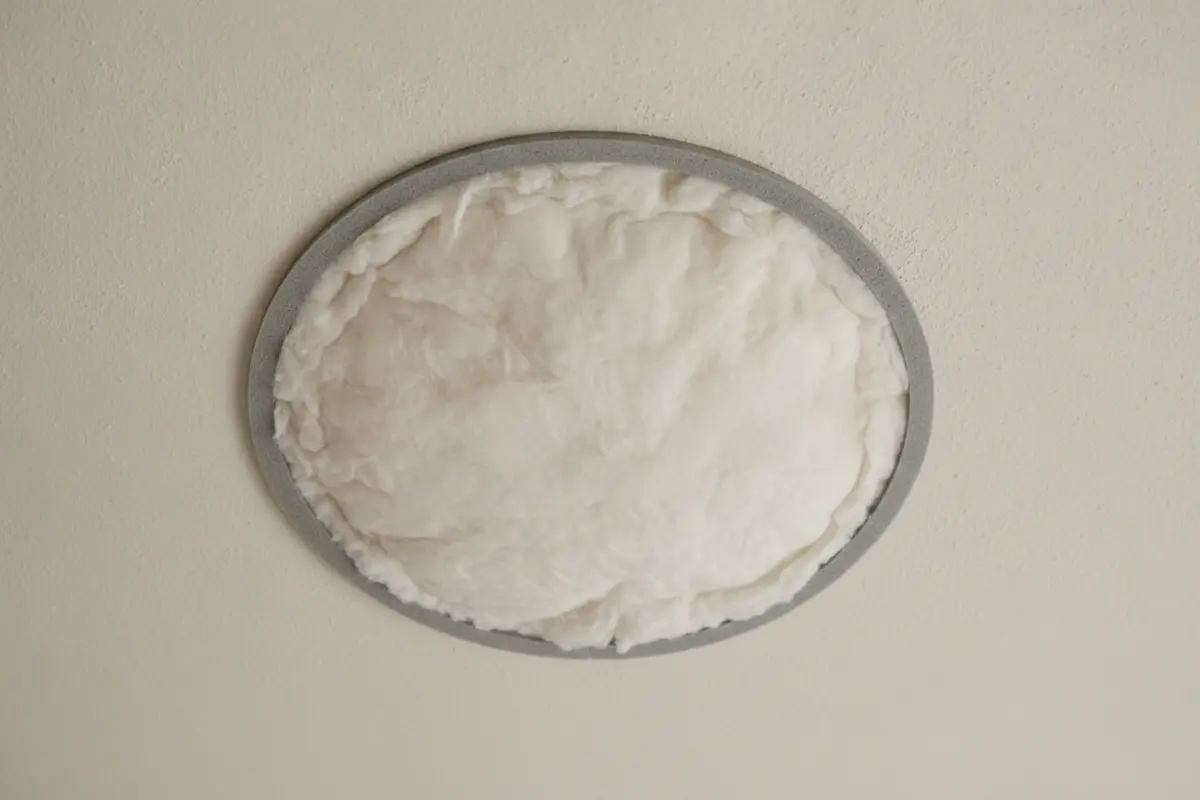
| Draft at attic entrance | Hatch fit, insulation, and perimeter sealing | The opening should close properly and limit air movement. |
| Rooms below attic feel uncomfortable | Insulation, ducts, airflow, and system operation | Assess room symptoms and whole-home conditions together. |
| Staining or damp material | Moisture source and ventilation conditions | Resolve the underlying concern before covering or insulating. |
The U.S. Department of Energy’s Building America Solution Center checklist says attic access panels, doors, and drop-down stairs should be insulated and gasketed. The proper details depend on access type and installation conditions. Review its attic air sealing and insulation checklist for that focused guidance.
How can you tell whether insulation or another issue is involved?
Bay Care Heating & Air evaluates comfort as a system question because insulation is only one possible factor. Compare symptoms with airflow and equipment behavior, then consider an assessment that looks at the home rather than relying on a single visual clue.
- If one room is uncomfortable and airflow from its register seems weak, ask whether duct condition or airflow should be checked.
- If several upper-floor rooms have similar problems, examine the attic boundary and the system’s ability to deliver conditioned air.
- If the issue changes with weather, note the timing and conditions; seasonal patterns can help focus the review.
- If the concern includes odors, dampness, or visible staining, investigate those conditions before covering materials.
Bay Care provides attic insulation services, home energy audits, and duct sealing. A targeted insulation concern may call for an insulation review, while broader comfort or efficiency questions may benefit from looking at multiple parts of the home.
What should you compare before approving attic work?
Ask for a clear explanation of what was observed, what work is proposed, and what is outside the scope. A useful proposal distinguishes insulation from air sealing, ventilation, duct work, and repairs to moisture sources. It should connect the recommendations to the rooms or conditions you reported.
- Which locations will be addressed, and what condition was found there?
- Is the recommendation for insulation, air sealing, ventilation, or a combination?
- Are moisture, roof, wiring, or access concerns identified for separate attention?
- How will the crew protect the home and leave the work area?
- What should you expect to observe afterward, and what would require follow-up?
Request that the scope describe work in plain language, including what areas are included and what is excluded. If one part of the proposal depends on another repair, ask which should happen first. For example, a moisture source should be investigated and resolved before materials are covered. Keep the written scope with your observations so you can compare the completed work with the original concern.
For a broader view of Bay Care’s residential services, review the service overview. Homeowners considering program options can also read the company’s rebate information. Programs and eligibility can change; confirm current terms before including an incentive in a budget.
How does the attic access fit into the plan?
An attic hatch or pull-down stair can be a weak point in the boundary between living space and attic. The access should fit, close, and have appropriate insulation and sealing details. The Building America Solution Center checklist cited above identifies insulation and gasket sealing as considerations for these access points.
A hatch that is difficult to close, visibly warped, or surrounded by gaps deserves attention. Do not block access or alter a fire-rated assembly without confirming the appropriate requirements for the home. Bay Care can assess insulation needs and explain whether a separate repair may be needed.
How should Delmarva homeowners plan an attic evaluation?
Homes across the Delmarva Peninsula vary in age, construction, attic access, and mechanical layout. Coastal weather, seasonal humidity, and past repairs can all shape what an attic review reveals. Avoid choosing a solution solely from a generic checklist; the details of the home and the cause of the discomfort matter.
Before requesting help, prepare a concise timeline: when the room feels uncomfortable, whether the issue occurs in heating or cooling season, what the thermostat is set to, and whether the problem changes when doors are open. List recent roof, insulation, or HVAC work. If you can take photos safely from the hatch, label them by location rather than trying to interpret every detail yourself.
For instance, a homeowner might report that two bedrooms are warmer on sunny afternoons, while the hallway remains comfortable. That pattern is more useful than simply saying the upstairs is hot. A different homeowner might describe a cold draft near a stair opening on windy days. Those details help direct attention to different parts of the building boundary and HVAC system.
Bay Care serves homeowners in Salisbury, Berlin, Cambridge, and nearby Maryland communities, as well as Sussex County, Delaware. Check the service area list for communities served, or learn about Bay Care and its whole-home approach.
What is a practical sequence for deciding what to do?
Bay Care can help homeowners organize observations into a sensible sequence. The goal is not to jump to a particular product, but to identify the condition, decide whether it needs a separate repair, and then compare work that addresses the cause.
- Describe the symptom: Name the room, time of day, season, and whether the issue is temperature, draft, odor, or moisture.
- Record what you can safely see: Note access condition, visible gaps, uneven coverage, and staining from a safe position.
- Separate urgent concerns: A roof leak, damp insulation, or unsafe access should be evaluated before routine insulation planning.
- Ask what else could explain the symptom: Discuss airflow, duct condition, ventilation, and equipment operation where relevant.
- Compare the scope in writing: Make sure each proposed task relates to a finding and clarify exclusions and sequencing.
- Plan a follow-up check: After work, observe the same rooms under similar conditions and note whether the original concern has changed.
This sequence is useful because it turns a vague comfort complaint into observations that can be discussed and revisited. It also leaves room for a mixed answer: insulation may be part of the plan, while airflow or a separate moisture repair addresses another part.
Talk with Bay Care about your attic
Frequently asked questions about attic insulation
Can adding attic insulation fix a room that is too hot or cold?
It may help if the attic boundary contributes to the problem, but comfort can also be affected by ducts, airflow, air leaks, ventilation, and HVAC operation. An assessment can help identify which conditions are relevant.
Should I add insulation over what is already there?
Not before checking its condition and looking for moisture or other problems. A professional can assess whether existing material is suitable to remain and what additional work, if any, is appropriate.
Does a pull-down attic stair need insulation?
Attic access doors and stairs are among the areas to evaluate for insulation and air sealing. The right details depend on the access design and installation conditions.
Can attic insulation work include air sealing?
It can, when an assessment identifies gaps or openings that should be addressed. Insulation and air sealing serve different functions, so a proposal should describe each task clearly.
What should I do if I see damp insulation?
Do not cover it with new material. Note the location and visible signs from a safe position, then arrange for the moisture source to be investigated before deciding on insulation work.
What information should I have ready when requesting an evaluation?
Note which rooms are uncomfortable, when the issue occurs, whether it is seasonal, and any recent roof or HVAC work. Photos taken safely from the attic access can also help explain what you observed.
Thoughtful attic planning starts by identifying conditions in your home and choosing work that addresses them. If you are unsure whether insulation, air sealing, or another system issue is involved, Bay Care can help you decide what to evaluate next.