
Salt air from the Atlantic can corrode a standard air conditioner in just a few short seasons. A beach house sitting empty for months often hides mechanical failures until the first hot weekend. Proactive care ensures your coastal getaway stays comfortable all year long.
Residents throughout coastal Sussex County, including those booking HVAC service in Millville, DE, should follow this checklist to protect equipment from seasonal salt air and humidity exposure.
Schedule preventive HVAC maintenance before your next Delmarva beach trip.
Beach house HVAC maintenance needs a specialized plan to protect your outdoor equipment from salt wear and sand while you are away. Since many Delmarva second homes sit idle for months, regular care prevents costly breakdowns during your busy summer trip or peak rental season. You should schedule professional service twice every year, including spring cooling tune-ups and fall heating checks to ensure steady work. According to Florida Academy, coastal units need specific cleaning steps and electrical checks to handle the unique stress of salt and high humidity. Keeping a three-foot clear space around the outdoor unit and checking filters monthly also helps preserve the airflow needed for peak power.
Sussex County property owners, including those scheduling HVAC service in Dagsboro, DE, should use this seasonal maintenance checklist to keep their systems ready for year-round coastal conditions.
Whether your property is a primary residence or a vacation getaway, Bay-Care Heating & Air provides HVAC maintenance in Ocean View Delaware to keep every system on this checklist running at its best.
Maintaining a home near the ocean means staying ahead of Delmarva’s coastal weather. You can protect your home and avoid mid-summer repairs by following this seasonal checklist.
Homeowners throughout Sussex County—including those scheduling HVAC service in Harbeson, DE—can count on Bay-Care Heating & Air to handle every item on this seasonal maintenance checklist.
Beach house HVAC maintenance checklist by season
Spring prep for the coast
Owning a home by the sea brings joy but also hard work for your comfort system. You should start your year with a clear plan for your beach house HVAC maintenance. It is wise to book pro AC maintenance in the early spring. This allows an expert to find any salt damage from the winter before you need the air to be cold. Research from Florida Academy shows that spring is the best time for cooling checks.
As an owner, you can do some of the work yourself. Go outside and check the main unit for any sand or leaves. You must keep a two-foot space around the unit for it to breathe. Sand can clog the small fins on the unit and make it work too hard. Clearing this debris helps keep your energy costs low during the busy shore season.
Bay-Care offers professional AC maintenance in Selbyville Delaware to ensure your seasonal checklist gets completed by certified technicians who know the coastal Delaware environment.
| Season | Main Focus | Owner Tasks | Pro Tasks |
|---|---|---|---|
| Spring | Cooling Prep | Clear debris, check filters | Test refrigerant, clean coils |
| Summer | Peak Use | Change filters, monitor air | Emergency care, tech tune-ups |
| Fall | Heating Start | Test heat, clean salt air | Check heat exchanger, vents |
| Winter | System Safety | Set safe temp, check for ice | Full system audit, duct checks |
High summer and fall care
During the hot summer months, your AC will run most of the time. This is true if you have a rental home with many people coming and going. You should check the air filters every four weeks. If they look gray or dusty, put in a new one right away. Clean filters help the air flow well and stop the system from freezing up on a hot day.
When the air turns crisp in the fall, it is time for heating care. Salt air can cause rust on the metal parts of your furnace or heat pump. A coastal rust coating can stop this damage from spreading. Using these coatings is a key part of keeping a shore home in good shape for many years.
Winter safety and rust checks
Many Delmarva beach homes are not used as much in the winter. But you should not turn your HVAC system off fully. Set the heat to at least 55 degrees to keep your water pipes from freezing. A smart thermostat is a great tool for this task. It lets you check the home temp from your phone and will alert you if the power goes out. Learn more about WiFi and smart thermostats for a second home.
Regular system care is the best way to avoid a surprise repair bill. Our local HVAC team looks at the whole home to find ways to save you money. We check the attic insulation and the ductwork to ensure no cold air is lost. Taking care of your shore home now means more fun and less stress when the sun comes back out.
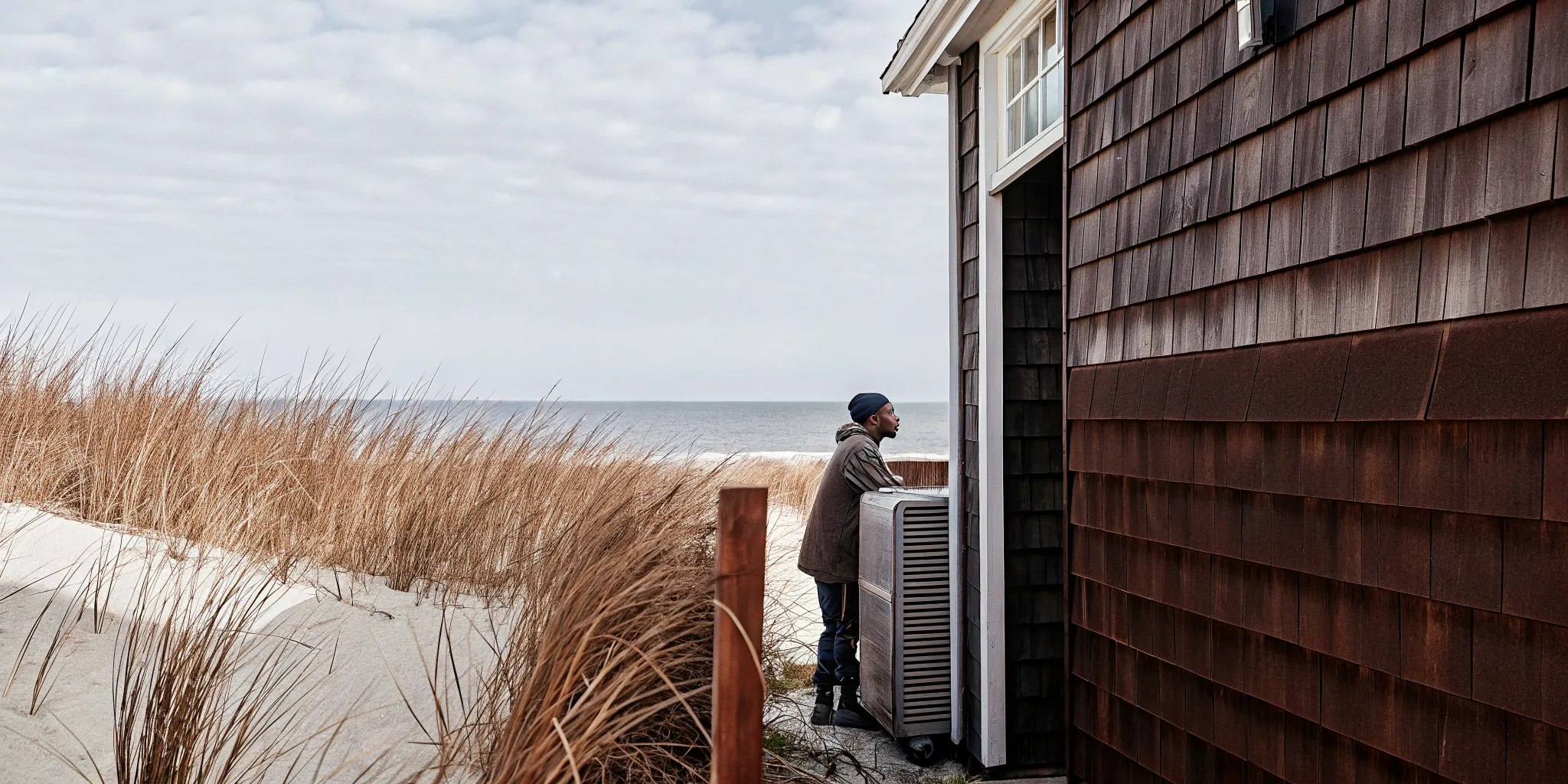
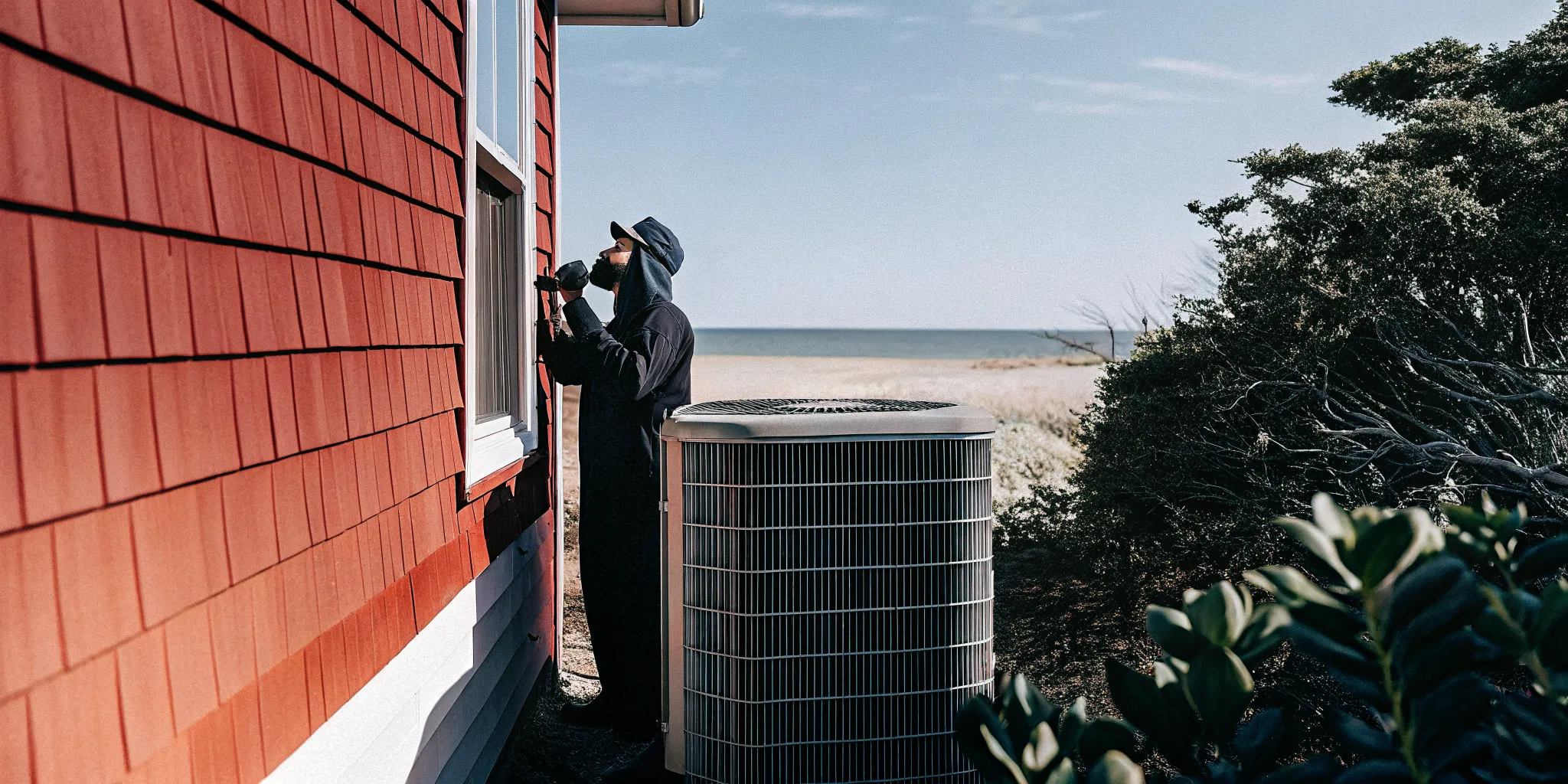
How does salt air affect a beach house HVAC system?
Living near the ocean brings beauty and fresh air. But for your home’s comfort system, the coast is a tough place to be. Salt air and wet air found at the beach can lead to unique issues. These problems often start small but can grow into big repairs if left alone. Learning about these effects is the first step for smart beach house HVAC maintenance.
Salt air and metal rust
The biggest threat to a beach house AC unit is salt. Salt is a real force that eats metal. When it sits on the metal parts of your system, it starts to wear them down. This work is even faster because of the moist air in coastal areas. Over time, the outer box and inner frame can rust through. This weakens the unit and lets more salt reach the fine parts inside. In some cases, compressors can fill with sand and saltwater during big storms. This damage can cut the life of a unit by many years.
Damage to coils, power, and drainage
The coils in your AC unit use copper and aluminum. These metals are very prone to salt damage. As salt builds up on the fins, it creates a layer of dirt. This layer stops the system from moving heat out of your home. It also causes the metal to flake and break. Once the coils leak, the system cannot cool your home at all. Coastal air also hurts the power side of your HVAC. Salt can get into the wires and controls. This leads to shorts and poor joints. Sand and salt can also clog your drain lines. You must keep your system clear to stop water damage in your home.
Spotting and stopping coastal damage
Owners can help protect their systems with a few easy steps. First, look for signs of white powder or rust on the outdoor unit. This is often the first sign of salt buildup. You can also rinse the outdoor unit with fresh water from a hose. This helps wash away salt before it sticks. For the best defense, you need an expert way to stop it. We offer coastal HVAC corrosion protection that acts as a shield. This coating covers the metal parts to stop salt from touching them. By using these tools and keeping up with routine HVAC preventative maintenance, you can keep your beach house cool for a long time.
What should you check when opening your beach house?
Opening your beach house for the summer is a fun time. But before you relax, you need to check your AC system. Salt air and sand can cause big problems for beach house HVAC maintenance during the off season. A simple check helps you find small issues before they turn into big repairs.
Check the indoor system parts
Start by looking at your air filter. In a beach home, you should change the filter every three months. You may need to do it more often if you use the unit a lot. A clean filter helps your system breathe and keeps your air fresh. Next, look at your vents. Make sure no rugs or furniture cover the air grilles.
You also need to check your thermostat. Put in new batteries if it uses them. Set it to cool and pick a low temp to see if the system starts. This first test lets you know if the parts are ready for work. If the air smells dusty or you hear loud bangs, turn it off and call for help.
Inspect the outdoor unit
The outdoor unit takes a lot of stress from the salt air. Walk around the unit and look for rust or salt crust. Salt can get inside the parts and cause them to fail. To keep it running well, you should schedule routine HVAC preventative maintenance to clean out sand and dirt.
Make sure the unit has room to breathe. You should keep a two to three foot clear space around the unit. Remove any leaves, tall grass, or trash that might block the air. Good airflow helps the unit stay cool and uses less power. This saves you money on your light bill and helps the system last longer.
Run a cooling test
Once everything looks clear, run the system for at least 15 minutes. Listen for odd sounds and smell for mold or burnt scents. You want to feel cold air coming from every vent in the house. This is also the time to check your drain line. A clogged line can cause water damage in your home.
- Set the thermostat to a cool temp to start the cycle.
- Replace the air filter with a fresh one for good airflow.
- Remove any sand or debris from the outdoor unit.
- Check that all vents are open and clear.
- Listen for strange noises while the system runs.
- Watch the drain line for any leaks or clogs.
- Call a pro if the air does not get cold within 10 minutes.
A quick check is good, but it does not replace professional AC maintenance once a year. A pro will check the coolant levels and clean the coils deep inside. This keeps your beach house cool all summer long.
Keep cooling reliable during the busy beach season
High humidity and full guest lists put extra stress on your beach house AC. When your home is full of people, the unit must work much harder to keep the air cool and dry. This heavy use can lead to sudden breakdowns if you do not stay ahead of care needs. Proper routine HVAC preventative maintenance helps you avoid costly repairs when the local beach season is at its peak.
Check filters and drainage often
A house full of guests means more dust, lint, and hair in the air. In high-use rental homes, you should check your air filters at least every three months or even more often during the summer. A clogged filter blocks airflow and makes the system run longer. This can lead to ice on the coils or a burnt-out motor.
Humidity also creates a lot of water that must drain away from the unit. You can prevent clogs by using a wet-vac to clear the condensate line for about 10 to 15 minutes. Also, look for water in the drain pan. Adding algae tablets to the pan can help stop slime from growing and blocking the pipes during hot months.
Manage your thermostat and airflow
It is tempting to turn the thermostat way down when you first arrive at the beach house. But extreme settings can force the unit to run for hours without a break. This puts a huge load on the parts and might cause a failure. Try to keep the temperature at a steady level to reduce wear. Using a smart thermostat lets you check on the home while you are away to ensure it stays in a safe range.
The outdoor unit also needs room to breathe. Experts say you should keep a two to three foot clear area around the condenser. Sand, tall grass, or beach chairs near the unit can block the air it needs to shed heat. Clear away any debris like leaves or sand to keep the system running well. If you notice odd smells or loud sounds, it is time to call for professional AC maintenance before a small issue becomes a big fix.
How should you close the HVAC system for the off-season?
Closing your home for the winter requires more than just locking the doors. For a coastal property, your HVAC system needs a plan to handle months of salt air and changing weather. Proper routine HVAC preventative maintenance helps your system stay ready for your next visit while protecting your investment from the harsh elements of the shore.
Check filters and drainage
Start by replacing your air filters. A clean filter ensures that any air moving through the system is free of dust and debris while you are away. In high-use or rental settings, changing the filter every three months is a standard rule, but a fresh one is vital before a long break. This simple step prevents dust from settling on sensitive coils and parts during the off-season.
You must also check the drainage system. Blocked lines can lead to water damage or mold growth in an empty house. Experts suggest using a wet-vac on the condensate line for about 10 to 15 minutes to clear out clogs. Adding algae tablets to the drain pan can also stop buildup from forming while the unit is not in use. These small tasks keep the system dry and safe until spring.
Manage the outdoor unit
The outdoor unit faces the toughest fight in a beach town. Salt, sand, and storm debris can quickly damage the metal fins and motor. Before you leave, remove any leaves or dirt from the unit. It is best to maintain a two-foot clear space around the condenser. This gap keeps air flowing well and stops moisture from being trapped against the metal, which can lead to rust.
For homes near the water, salt air is a constant threat. Corrosion-resistant coatings can protect the aluminum parts of your system from the pitting and damage caused by salt. While you might want to cover the unit, avoid tight plastic wraps. These can trap humidity inside and cause more harm than good. A pro can help you decide if a breathable cover or a specialized coating is the best choice for your site.
Set the thermostat and monitor
Never shut your HVAC system off completely in the off-season. An unheated or uncooled home can become a breeding ground for humidity and mold. Instead, set your thermostat to a safe range. In the winter, keep it at a level that stops pipes from freezing. In the warmer months, a higher setting still allows the system to pull moisture out of the air. This protects your floors, furniture, and walls from damp coastal air.
If your home has a smart thermostat, use it to check in from afar. Remote monitoring lets you see if the system is running or if the temperature has spiked. You can also see if it is time to schedule professional AC maintenance before the next heat wave. Catching a small issue early can save you from a big repair bill later. A quick call to a pro before you leave ensures your beach house stays in top shape all year long.
Which beach house HVAC tasks need a professional?
You can do some light care for your shore home cooling system on your own. Most owners can clear away sand, salt, or leaves that pile up around the outdoor unit. But many jobs need an expert with the right tools. A tech can find small hidden issues before they turn into big leaks or breaks. This helps keep your professional AC maintenance costs low over time. It also gives you peace of mind while you are away from your home.
Technical checks and electrical safety
Safe electrical work is a top reason to call a pro. A tech will look at all wires and plugs for dust, dirt, or loose parts. They also test the capacitor to see if it meets the maker’s specs. If these parts fail, your system might not start when you need it most. Pros also check the water safety switch to stop floods in your attic or closet. This is a key part of upkeep that helps stop water damage from a clogged line.
A pro also looks at the motor and adds oil if the unit needs it. This keeps the fan spinning well and cuts down on loud noises. Checking for weird smells or sounds while the unit runs is a simple but vital step. If a tech finds a bad part early, they can swap it out before the whole system quits. This early care keeps your beach house cool and safe all summer long. Our team at Bay-Care uses high-end tools to find these hidden risks fast.
Coolant and airflow tuning
Checking the vital signs of your unit is best left to an expert. A tech will test the coolant levels and look for leaks in the copper lines. They check pressures and temps to make sure your home stays cool with less power. A pro also cleans the coils and flushes the drain lines to keep air moving well. They may add algae tablets to the drain pan to stop slime from growing. This full service makes sure your unit can handle the moist air of the coast.
Good airflow also relies on a clean duct system. A pro will check your vents for leaks that waste air and money. They look at the subcooling and superheat to see how well the system sheds heat. These tests need special tools that most homeowners do not have. By tuning these parts, a tech can boost the life of your unit. This help is vital for beach house HVAC maintenance in areas with high use or rental stays.
Corrosion checks and timing
Salt air can cause rust to form on metal parts very fast. An expert can spot this early and suggest a special coating to shield your unit from the sea mist. This check is a must for shore homes since salt can ruin a new unit in just a few years. It is best to book this care in the spring before the peak heat hits. This gives the tech time to fix any small leaks or worn parts before the unit has to work its hardest.
At Bay-Care Heating & Air, we use a whole-home view to look at your full setup. We check your attic seals and airflow as well as the main unit. This full look helps find any gaps that let salt air inside your home. Our NATE certified techs know how to handle the unique needs of the Delmarva coast. We focus on long-term results to keep your beach home cozy for many years to come.
Warning signs your coastal HVAC system needs service
Living near the ocean brings many joys, but the salt air is tough on your home. Your heating and cooling system works hard to keep you cool in the heat and damp air. Because beach homes face harsh weather, you should watch for early signs of trouble. Catching a small problem now can save you from a big repair bill later. If your unit stops working when you have guests or renters, it can ruin a perfect summer week. It is much better to find a fix now than to wait for a total breakdown.
Strange noises and smells
You should pay close care to how your system sounds when it starts up. A healthy unit makes a quiet hum, but loud bangs or squeals are bad signs. These noises often mean a part is loose or a motor is starting to fail. You should also check for odd smells coming from your vents. A musty scent often means mold or mildew is growing in your ducts or on the coils. If you smell something burning, turn the system off right away to stay safe. Experts say that checking for odors and noises is a key part of keeping your system in top shape.
Coastal homes often deal with damp air, which can lead to water leaks near the indoor unit. If you see water pooling on the floor, your drain line might be clogged with sand or algae. This is a common issue for beach house HVAC maintenance on the Delmarva area. A clogged line can cause water damage to your home and make the air feel damp. You may need routine HVAC preventative maintenance to clear these lines and keep the air dry. Standing water can also lead to rust on the base of your unit, which shortens its life.
Weak airflow and warm air
If some rooms stay hot while others are cold, your system might be working too hard. Weak airflow often comes from a dirty filter or a problem with the blower motor. You should check your air filters every few months to keep the air moving well. When the air coming from your vents feels warm during the summer, it is a clear sign that you need help. This could mean your system is low on coolant or the coils are too dirty to cool the air. Frequent cycling, where the unit turns on and off too fast, also shows that the system cannot keep up with the heat. This puts a lot of stress on the parts and leads to a shorter life for the unit.
Visible rust and salt damage
Salt air is the biggest threat to your outdoor unit. Over time, the salt can eat through metal and cause deep rust. You should look at the fins on your outdoor unit once a month. If they look white and flaky or have brown rust spots, the salt is already doing damage. This rust makes it hard for the unit to release heat, which makes your power bills go up. New tough coatings can help shield your unit from this harsh salt spray. If you see signs of decay, it is best to call a pro before the metal fails fully. Regular checks help ensure your coastal system lasts as long as possible. Fixing rust early is the best way to avoid buying a whole new system.
Ask Bay-Care about coastal HVAC corrosion protection before salt damage spreads.
Frequently Asked Questions
How often should I service my beach house HVAC system?
You should have your beach house HVAC system checked at least twice each year. Plan for expert help in the spring for your cooling unit and in the fall for your heater. According to Florida Academy, doing this work before the peak times helps prevent unit failures. This steady check is vital for homes near the coast where salt and sand can cause fast wear on your parts.
Does salt air damage beach house HVAC units?
Yes, salt air can cause a lot of harm to your beach house HVAC unit. The salt in the air leads to rust and can eat away at the metal coils over time. Experts at Tulsa Welding School note that salt and sand often get stuck inside the system. This buildup makes the unit work harder and can cause it to fail much sooner than is normal. You must clean your unit often to stop these beach problems from getting worse.
Should I turn off my HVAC system at my vacation home when I’m away?
You should not turn your HVAC system off when you leave your vacation home. If you turn it off, the damp air inside the house will rise. High moisture can lead to mold and damage your wood floors or walls. It is better to set your wall control to a higher temp in the summer or a lower temp in the winter. This keeps the air moving and helps protect your home while you are not there.
How can I protect my beach home’s AC unit from corrosion?
You can protect your AC unit by rinsing the outdoor coils with fresh water once a month. This helps wash away the salt and sand that leads to rust. For better results, you can use a special film on your coils. A special coating can block salt from touching the metal. Mike Carey and his team at Bay Care offer this help to keep your system running longer on the Delmarva coast.
Schedule beach house HVAC maintenance on Delmarva
Leaving your beach home not checked for months can lead to a broken system and high repair bills when you finally arrive for your trip. Salt air and damp air work fast to wear down your unit, so acting now helps you avoid the risk of last minute costly fixes. A quick check today keeps your home in top shape while you are away and ensures your system is ready for the hot summer months. View our routine HVAC preventative maintenance plans to see how we keep your shore home safe from the harsh coastal air.
Ready to schedule beach house HVAC maintenance? Call 302-245-3365 to talk to a pro and book your service today.


