Planning a furnace installation involves more than choosing a box that fits in the utility room. The right system depends on the home’s heating needs, fuel supply, venting, ducts, and safety requirements. Bay Care Heating & Air helps Delmarva homeowners consider these parts together so equipment selection supports comfort across the home.
Call Bay Care about furnace installation
What happens before a furnace is selected?
Bay Care begins with the home and the comfort problem, not just the old unit’s nameplate. A useful assessment considers the home’s size and layout, insulation, air leakage, windows, ducts, existing fuel and venting, and rooms that feel too cold or too warm. These details help determine what capacity and configuration may fit.
Tell the contractor what you notice during a typical cold day. Mention rooms that lag, unusual noises, frequent cycling, drafts, or changes in energy use. Also share renovation plans, such as finishing an attic or adding a room. A system selected without this context may leave the underlying comfort issue untouched.
Ask how the installer will evaluate heating load and whether duct condition or airflow needs attention. A larger furnace is not automatically better. Oversized equipment may cycle more often, while undersized equipment may struggle to meet demand. The design should reflect the building rather than a rough rule based only on square footage. The U.S. Department of Energy’s gas furnace replacement guidance also emphasizes proper sizing and installation considerations.
Bring useful information to the first conversation: the model number if it is accessible without opening equipment, recent service records, thermostat settings, and a short list of rooms or times when comfort is poor. Photos of accessible vents or the equipment area may help explain access constraints, but do not remove panels or investigate fuel and electrical connections yourself.
How do you compare furnace options?
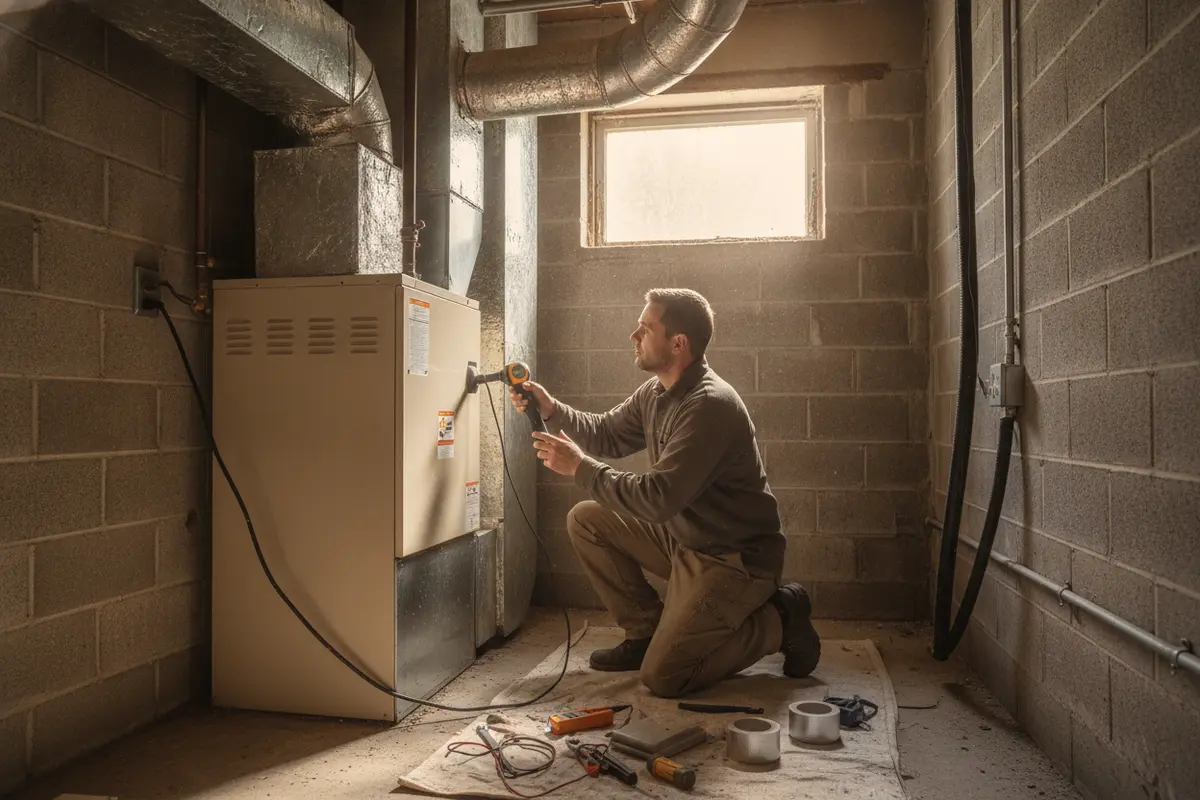
Bay Care can explain how available options differ in practical terms. Fuel availability, operating needs, installation conditions, and your plans for the home all matter. The comparison below is a starting point for a discussion; the best fit depends on the specific property and system design.
| Decision | What to compare | Questions to ask |
|---|---|---|
| Fuel and equipment type | Existing fuel connection, venting, equipment compatibility, and household preference | What changes to fuel supply or venting would this option require? |
| Capacity | Home layout, insulation, windows, air leakage, and heating load | How did you determine the proposed capacity? |
| Air delivery | Duct size, leakage, airflow, filters, and room-to-room balance | Will any duct or airflow issues affect comfort after installation? |
| Controls | Thermostat compatibility, staging, and ease of use | What controls are included, and how should I use them? |
| Project scope | Removal, venting, electrical work, permits where applicable, startup, and cleanup | What work is included, and what might require a separate decision? |
Efficiency labels are only one part of the comparison. Ask what the equipment rating means, what conditions it assumes, and whether the proposed system and ductwork can deliver the intended performance. Compare written proposals by scope as well as equipment model. A lower quote may omit work that another proposal includes.
Request that options be explained in terms you can compare: equipment model and capacity, included labor and materials, any changes to venting or utilities, and what is optional. If two proposals recommend different capacities, ask each contractor to explain the evaluation behind the recommendation instead of choosing by size or price alone.
For a second point of reference, Bay Care’s heating installation information can help you identify the questions that belong in a project conversation. You can also review the heating FAQ before speaking with a technician.
What should an installation plan cover?
Bay Care’s installation planning connects the equipment, related work, and startup checks to the home’s actual conditions. A clear plan states what will happen before, during, and after the replacement, so homeowners can distinguish required work from optional improvements and understand how the system will be handed off.
- Existing system: Note its type, age if known, symptoms, and service history.
- Home conditions: Identify comfort differences by room, drafty areas, recent renovations, and insulation or air-sealing concerns.
- Utility and venting: Confirm the fuel source, electrical needs, vent route, and combustion-air considerations for the selected equipment.
- Duct system: Discuss accessible ductwork, leakage, restrictions, return-air paths, and airflow balancing.
- Project details: Clarify equipment model, included labor and materials, disposal, schedule, permits if required, and who handles each item.
- Startup and handoff: Ask how operation will be tested, what maintenance the manufacturer requires, and what documentation you will receive.
Heating work can involve fuel, electrical, combustion, and exhaust hazards. Do not attempt to modify those systems yourself. Have a qualified professional complete the work and explain any safety concerns or changes that affect operation.
Before approving the plan, distinguish required work from options. For example, a contractor may identify duct repairs during an assessment, but the proposal should make clear whether those repairs are necessary for the new equipment to operate properly, recommended to address a comfort concern, or simply a possible later improvement. Ask what the consequences are of deferring an optional item.
If you are replacing an older unit because of repeated problems, gather repair invoices and note when failures occur. If you are replacing it during a renovation, share the new floor plan and any changes to doors, walls, windows, or insulation. Small changes to the building can affect airflow and the heat-loss discussion.
Why do ducts and insulation matter during furnace installation?
Bay Care considers the distribution system because a furnace cannot solve every comfort problem by itself. Leaky or poorly balanced ducts can limit delivery to rooms, while weak insulation or air leakage can increase heat loss. If those conditions are present, discuss them before installation so the project addresses the right causes.
Ask whether ducts should be inspected, sealed, repaired, or balanced, and whether the return-air path is adequate. A whole-home evaluation may also identify opportunities for an attic insulation review, duct sealing, or an energy audit. These are separate decisions; a homeowner can ask which findings are most relevant before expanding the project.
For homes with rooms that remain uncomfortable, describe the pattern rather than simply requesting a larger furnace. The cause could involve airflow, building envelope conditions, controls, or equipment. Bay Care’s heating services provide a starting point for discussing the system and the home’s needs.
A useful walkthrough should connect observations to options. If one bedroom is colder, for example, ask whether the contractor found a closed or restricted supply path, inadequate return air, duct leakage, or a heat-loss issue. This helps keep a proposed equipment change from becoming a substitute for identifying the actual source of discomfort.
Ask for an explanation of priorities. A contractor might recommend correcting a major return-air restriction before focusing on a minor comfort adjustment. Another home might need attention to attic insulation or air leakage before a new furnace can deliver the expected improvement. Written notes make these decisions easier to revisit.
How can you prepare for installation day?
Before work begins, Bay Care recommends confirming the arrival plan, access to the equipment area, and the expected work scope. Move stored items away from the furnace and make sure the path from the entry to the work area is clear. Keep pets and children away from tools and the installation zone.
Ask the installer how long the home’s heat may be unavailable and whether there are steps you should take before work starts. If the equipment is in a tight closet, attic, or crawlspace, point out access constraints in advance. Make sure the household knows where the thermostat is and how to reach the contractor if a question comes up.
Protect nearby belongings as agreed with the installer, and ask where removed equipment or packaging will be staged. If work could affect a basement, closet, or other shared area, settle those logistics before the appointment. Avoid storing items against the furnace or blocking access after installation; the equipment needs appropriate clearance for service and airflow as specified by its instructions.
After installation, ask for a walkthrough. The installer should explain the thermostat, filter location and type, basic operating instructions, and any maintenance schedule. Keep the equipment and warranty documents together. If the system behaves unexpectedly, note the condition and contact the contractor instead of opening or adjusting components.
Plan a few practical questions for the handoff. Ask how to change the filter, which thermostat setting is normal, what sounds are expected during startup, and how to report a concern. If the system includes controls you have not used before, ask the technician to demonstrate them rather than relying on a quick written label.
Which safety and startup checks should you discuss?
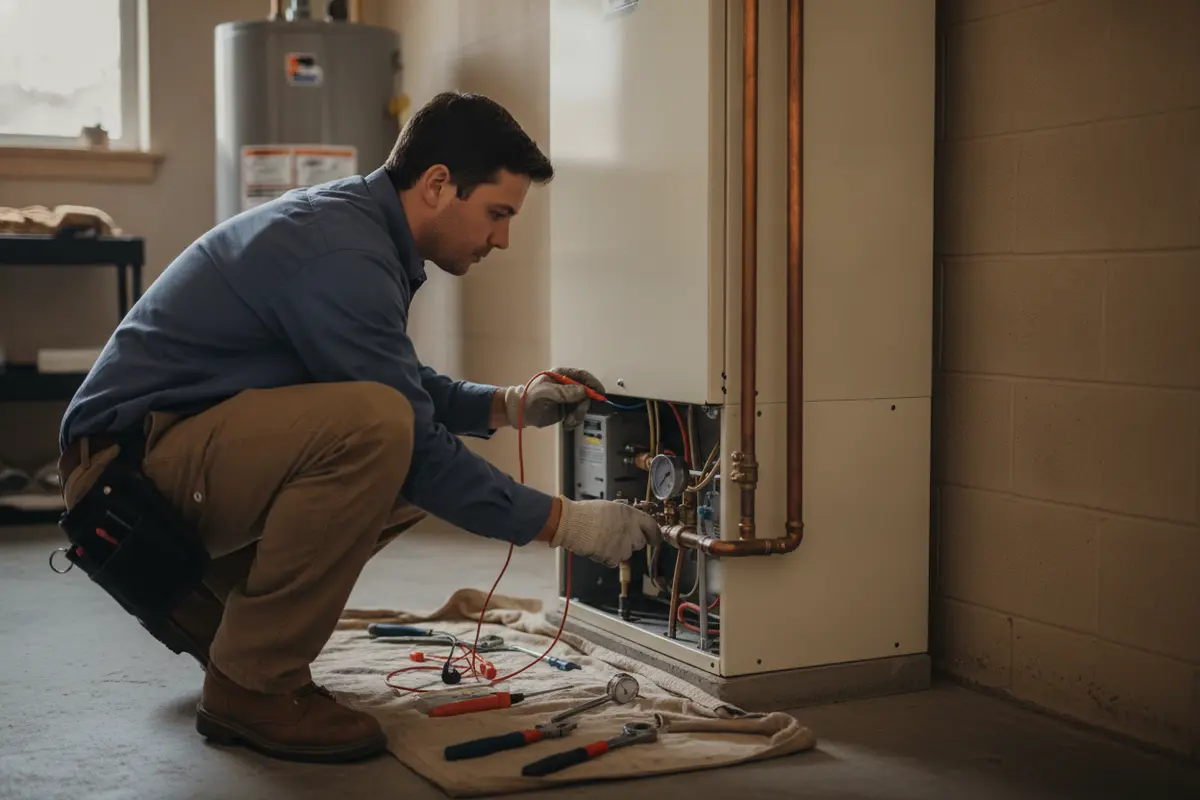
Bay Care treats startup as a key part of furnace installation, not an afterthought. The installer should confirm that the equipment operates as intended and that relevant connections, airflow, controls, and venting are addressed for the system. Ask what checks are included and how any issue found during startup will be handled.
For combustion equipment, safe venting and proper combustion-air arrangements are important. You can ask the technician to explain the vent path and homeowner-facing safety considerations. Follow the equipment manufacturer’s instructions and maintain working carbon monoxide alarms according to their instructions and applicable local guidance. An alarm is not a substitute for correct installation or service.
Ask the technician to show you the thermostat’s normal operating mode, filter access, and any indicators that require attention. Confirm that the system cycles on and off as expected during the demonstration, and ask who to contact if an alarm, odor, unusual sound, or operating issue appears afterward. Do not try to diagnose combustion or venting problems yourself.
Startup is also a useful time to confirm the air path. Ask whether supply and return airflow were checked, whether accessible connections were reviewed, and whether any limitation remains outside the installation scope. You do not need to perform a technical test yourself; you need a clear explanation of what was checked and what to watch for.
Bay Care serves homes across Maryland and Delaware on the Delmarva Peninsula. For households considering eligible heating upgrades, program details can change, so check current rebate information and confirm eligibility and requirements before relying on an incentive in a project budget.
What should you ask before approving the proposal?
Bay Care encourages homeowners to request written answers before approving a furnace installation. A detailed proposal makes it easier to compare bids, understand the scope, and identify which recommendations address immediate operation, which improve comfort, and which can be considered later.
- What model and capacity are proposed, and how were they selected?
- Does the scope include removal and disposal of the existing furnace?
- Are venting, electrical, fuel connections, and required related materials included?
- Will ducts or airflow be evaluated, and what findings would change the scope?
- Who handles permits or inspections if they apply to this project?
- What startup checks and homeowner walkthrough are included?
- What equipment and labor warranty terms apply, and how should I request service?
- Are rebates or financing relevant, and what conditions must be met?
Ask for the proposal to separate the equipment from installation work and optional improvements. That makes it easier to see whether a duct repair or insulation recommendation is essential to the installation, a comfort improvement, or an optional future project. Bay Care’s new installation information can help you take the next step.
Before signing, check that the proposal identifies who is responsible for any required permit coordination, inspection scheduling, and final documentation. Requirements vary by jurisdiction and project, so ask the contractor what applies to your address rather than assuming that a familiar process in another town will be the same.
Keep a copy of the final scope, model information, and any changes agreed during the work. If a proposal includes an allowance or states that a condition will be evaluated later, ask when that decision will be made and how it could affect the project. Clear records reduce confusion when service or maintenance is needed.
Request a furnace installation consultation
Frequently asked questions about furnace installation
How long does furnace installation take?
Timing depends on the equipment, access, and whether the project includes changes to venting, fuel connections, electrical work, or ducts. Ask the contractor for a project-specific schedule and whether the home will be without heat during any part of the work.
Can a new furnace fix cold rooms?
It may help if the existing equipment is the cause, but uneven temperatures can also come from ducts, airflow, insulation, air leakage, or controls. Have the whole system evaluated before assuming that increasing furnace size will solve the problem.
Should I replace ducts when I install a furnace?
Not automatically. The condition and design of the ducts determine whether repair, sealing, balancing, or replacement should be considered. Ask for the inspection findings and the reason for any recommended duct work.
Do I need to be home during installation?
Ask the contractor what access and decisions are needed. Someone may need to provide entry and be available for questions or the final walkthrough. Confirm the plan ahead of the appointment.
Are rebates available for a furnace installation?
Availability depends on the program, location, equipment, and eligibility rules. Review current details with Bay Care and the program administrator before including an incentive in your budget.
What information should I keep after installation?
Keep the equipment model information, warranty documents, installation paperwork, maintenance instructions, and contractor contact details. These records are helpful when arranging future service or checking program requirements.
A well-planned furnace installation considers the home, equipment, ducts, and safe operation together. If you are weighing options in Delmarva, start with the comfort issues you want to solve and get a clear explanation of the proposed scope.