
Choosing between furnace replacement vs repair often comes down to the age of your system. A unit that fails to heat your home in Salisbury or Easton might need more than a simple tune-up.
Struggling to decide if your heating system is worth saving? Schedule your professional heating repair service online or call the local team at Bay-Care Heating & Air at 302-245-3365 today!
A furnace replacement vs repair choice usually hinges on the age of the unit, the cost of current fixes, and energy efficiency. Most systems last between 15 and 30 years, but efficiency drops a lot as parts wear down. According to Energy.gov, modern units achieve much higher fuel use ratings than older models, which can lower monthly bills. At Bay-Care Heating & Air, we look at the whole home, including air sealing and ductwork, to ensure your system works at its best. If a repair costs more than half a new unit, or the system is over 15 years old, upgrading is the smarter financial move. We offer professional checks across the Delmarva Peninsula to help you find the right balance between current costs and long term comfort.
Many homeowners in Salisbury struggle to know when a system has reached its limit. Before you check our HVAC Service and Replacement Guide for Eastern Shore Maryland Homeowners, you should know the clear signs that signal an upgrade. We begin by exploring how system age impacts your heating performance and operating costs.
Furnace Replacement vs Repair: How Old Is Too Old?
While well-maintained systems can last up to 30 years, efficiency drops past 15 years. The risk of critical failures (like a cracked heat exchanger) increases dramatically, especially in coastal Delmarva areas.
When you think about furnace replacement vs repair, look at the age of your unit first. Most home heating systems last between 15 and 30 years if they get good care. But the age of your system tells a story about its health. Old units often break down and use more fuel to heat your home. Knowing how old your unit is will help you make a good plan.
Standard life for home heating
Most furnaces are made to work for 15 to 30 years. This range is wide because care and use change from home to home. A unit that gets regular heating maintenance will last much longer. Without care, a furnace may fail long before its time. Clean filters and yearly checks keep the parts moving well for a long time.
The U.S. Department of Energy says that fuel use also matters. Old systems are not as good as new ones. Even if a 25 year old unit still runs, it might cost you too much each month. You must weigh the cost of these high bills against the price of a new unit. Often, the money you save on fuel can help pay for the new system. If your unit is not good on fuel, it wastes energy every time it runs.
You can find the age of your unit on the name plate inside the front cover. If you cannot find the date, a pro can help you look up the serial number. Knowing the age is the first step in making a smart choice for your home and your budget.
Why the 15 year mark matters
Experts see the 15 year mark as a big turn. Once a furnace is 15 years old, it usually makes sense to buy a new one. It is often better than paying for big fixes. At this age, the risk of a big part breaking goes up. Finding parts for old units can also be hard and cost a lot of money.
If your system is over 15 years old, a fix may just be a short patch. You might pay for one fix now and another one next year. These costs add up fast. For a detailed breakdown of what you can expect to pay, check our guide on furnace replacement cost in Maryland. A new professional furnace installation gives you a fresh start. You get a full plan to keep it running and a system you can trust on cold nights. New units also have better safety than old ones. This helps people feel safe in their homes.
Salt air and coastal wear
In places like Salisbury and the coast, the air is not the same. The salt in the air on our coast can be hard on metal parts. Salt air leads to rust much faster than in towns far from the sea. This wear can make a furnace fail many years early. It is a big test for homes near the water.
We often see units in Bethany Beach or Ocean View with deep rust after just 10 years. This can lead to cracks in the heat exchanger. A cracked heat exchanger is a safety risk. It is a clear sign that you need a new unit. Our team looks for these signs of wear during every call. We want to make sure your home stays safe and warm all winter. If you live near the water, get your unit checked often to catch rust early.
What Are the Warning Signs That Your Furnace Is Failing?
Key warning signs of a failing furnace include rising heating bills, yellow burner flames, soot or dust near registers, and loud noises like banging or rattling. Uneven heat across different rooms and a house that feels constantly cold or dry are also major indicators that your heater is near its end.
A furnace rarely stops working without giving you clues first. Most systems show signs of trouble before they quit. When you spot these flags early, you have more time to think about furnace replacement vs repair. Waiting to act leads to stress and high costs. Watching your unit helps you plan ahead and stay safe.
One way to avoid a breakdown is to keep up with regular heating upkeep each year. A pro can find small issues before they turn into big ones. But as a system gets old, parts wear out. If your unit acts strange, look at options for a new system.
Signs you can hear and see
You can tell a furnace is failing by using your ears and eyes. A healthy unit should run quiet and have a steady blue flame. If you hear odd sounds or see a yellow flame, the unit is not working right. These signs mean the system is struggling to burn fuel or has loose parts. Noting these changes can save you from losing heat.
- Watch for soot and dust near your vents. If you see black soot or dirt around your vents, your furnace may not be burning fuel right. This could mean a part has a crack, which is a big safety risk.
- Listen for new or loud noises. If you hear banging, rattling, or high squeals, parts may be loose or broken. These sounds are often a cry for help from a system near its end.
- Look at the burner flame color. Gas units should have a steady blue flame. If the flame is yellow, the fuel is not burning right. This can cause a gas called carbon monoxide to build up in your air.
- Check for uneven heat in your rooms. An old unit struggles to keep the house at the same heat level. If you keep changing the controls to stay warm, the system is starting to fail you.
- Track your power costs over time. Compare your current bills to what you paid in past years. A rise in cost is a clear sign that the unit is not doing its job well anymore.
- Watch for signs of safety risks. If you or your family feel dizzy or have headaches, leave the house and call for help. You should also check for a gas leak that has no smell or color.
High bills and safety risks
A jump in your monthly costs is a common sign of a failing unit. If you see rising bills but you are not using more heat, your unit is losing its power. Old systems lose the power to turn fuel into warmth as they age. You can learn more about how units use fuel from the DOE. A new unit will use less fuel and save you money every month.
Safety is vital when your furnace acts up. A bad unit can leak carbon monoxide, which is a very big risk. This gas can make you feel sick with a headache. Use sensors in your home to watch for this gas. If a sensor goes off, do not wait. Turn off the unit and leave the house to stay safe.
If your unit shows these signs, you may need a professional furnace installation soon. A new system will run better and use less fuel than an old one. While a new unit costs more now, it often pays for itself through lower bills. An expert can help you find the best path for your home.
When Is a Furnace Repair the Right Call?
Furnace repair is the right choice if your system is under 10 years old and has a valid warranty. It is ideal for minor failures like a faulty igniter, bad flame sensor, or worn blower motor. Regular professional maintenance helps catch these minor issues before they escalate.
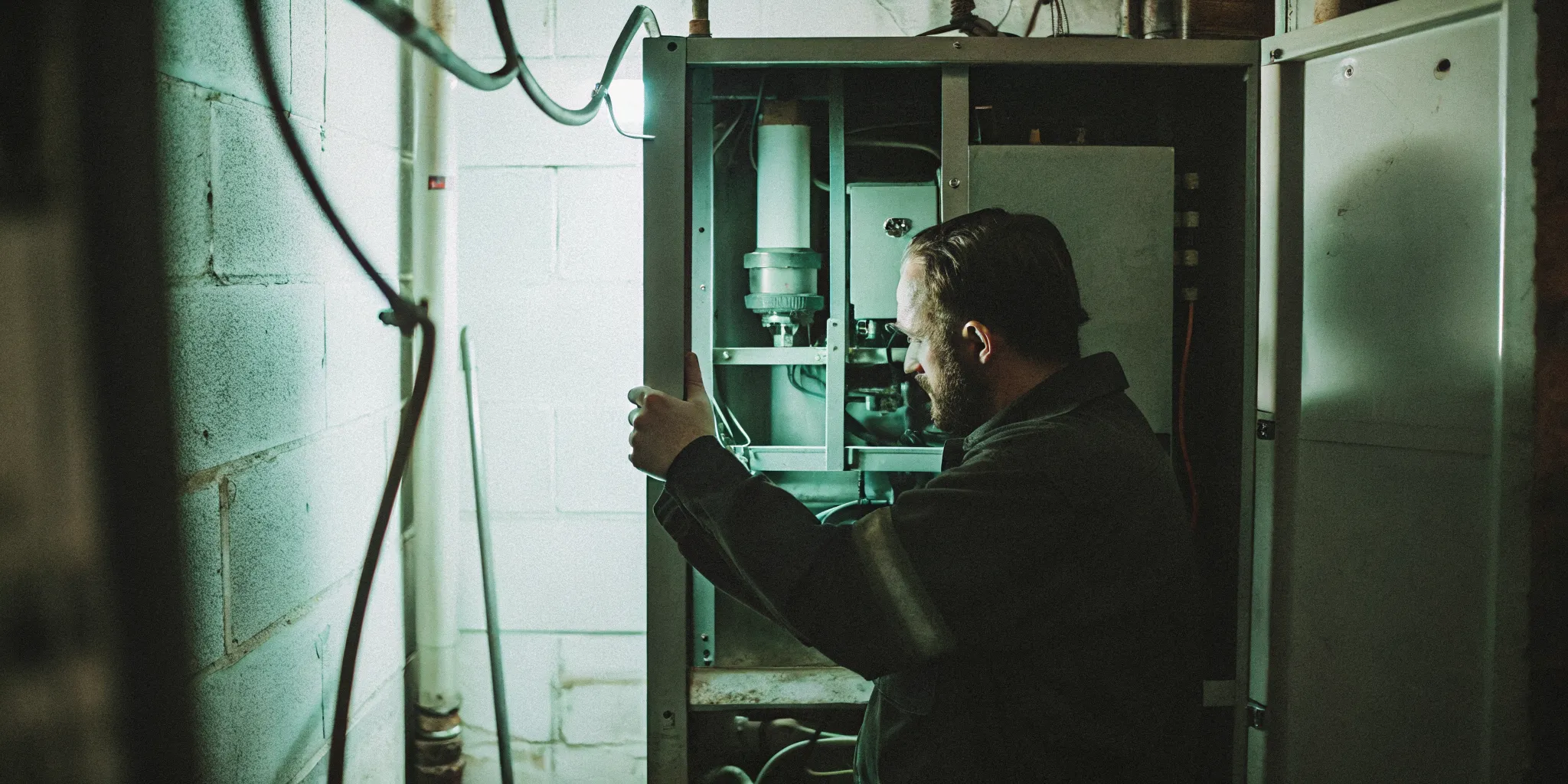
Picking between furnace repair and a new unit often comes down to the problem at hand. Many common heating issues are small and easy to fix. For instance, a dirty flame sensor or a bad igniter can stop your heat. These parts do not cost much to swap. If your system is less than ten years old, a repair is usually the best move. It keeps your home warm without the high cost of a new furnace. At Bay-Care Heating & Air, we offer a regular heating maintenance plan to catch these small faults early.
Minor Parts and Component Fixes
Many furnace failures stem from single parts that wear out over time. These include blower motors, gas valves, or heat sensors. While these parts are vital, they do not mean the whole system is dead. Swapping one part is much cheaper than buying a whole new furnace. A quick fix can often add years to the life of your unit. It is a good way to save money when the rest of the heater is in good shape. Our team looks at every part to find the root cause of the breakdown.
According to the U.S. Department of Energy, simple care can keep these parts working longer. We charge a flat $69 fee to find the exact cause of your heater trouble. This helps you make a smart choice without spending a lot of money at the start. Our goal is to help our friends on the Delmarva Peninsula stay cozy all winter long.
Is Your System Under Warranty?
Check your warranty before you plan for a full change. Most modern furnaces come with a ten-year parts warranty. If your unit is still in this window, the maker may pay for the new parts. You would only pay for the labor to put them in. This makes repair a very good deal. We can check your warranty status during our visit. This step is vital for saving on repair costs. It ensures you do not pay for parts that the factory should cover.
A valid warranty is a strong sign that you should stick with your current heater. It offers peace of mind while saving you thousands of dollars. This keeps your downtime short and your home warm.
The Power of Routine Care
A well-kept furnace can last much longer than one that is ignored. Regular cleaning and tuning prevent the build-up of dust and grime. This reduces the strain on the motor and heat exchanger. When you take care of your unit, repairs stay small and rare. This makes repair the right path even as the system ages. Keeping the air filter clean is a simple step you can take yourself. It helps the air flow freely and keeps the unit cool.
Homeowners on the Delmarva Peninsula face hard tasks like salt air and wet weather. But frequent checks help your system fight off wear and tear. Our expert techs look for rust and signs of stress during every visit. We catch issues before they turn into major failures. This active stance keeps your family safe and your costs low.
When Does Furnace Replacement Make More Financial Sense?
Furnace replacement makes financial sense when the system is over 15 years old, breaks down repeatedly, or requires a repair costing more than half the price of a new unit. Upgrading also cuts monthly energy bills by up to 30% through high-efficiency performance and qualifies for utility rebates.
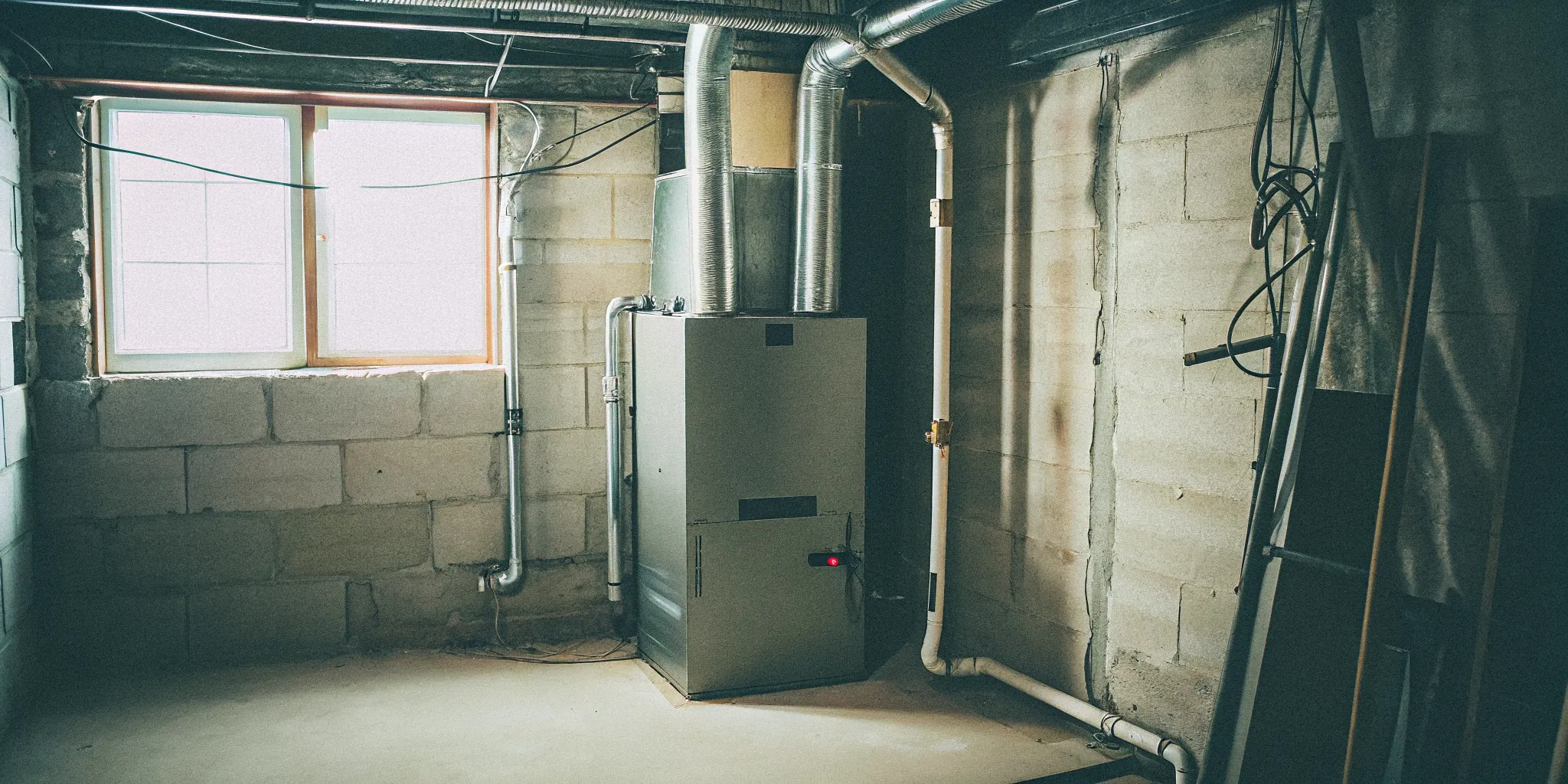
Choosing to fix a furnace one more time feels like the cheap path. For many people on the Delmarva Peninsula, this choice is not always the best for their wallet. Small fix costs can hide a larger loss. When your heating bill goes up and your unit stops working often, you are likely losing cash every month. A new system costs more today but ends the cycle of high repair bills.
Think about the “50% rule” when you look at a quote. If a fix costs more than half of what a new unit would be, you should stop. Buying a new one is the smarter move at that point. It stops the drain on your bank account from a failing unit that will just break again soon. You get a fresh start with a professional furnace installation that comes with a full warranty.
Stop the cycle of repair bills
An old furnace that breaks down once or twice a year is a sign of deep trouble. Parts wear out over time, and a fix in one area does not stop a break in another. If you spent $1,000 lately and now face a $1,500 bill, you are close to the price of a whole new unit. A new unit gives you years of heat without the stress of sudden cold nights or surprise bills. It is a long-term plan that keeps your home warm for less.
Save on monthly energy costs
New high-power units use much less fuel to heat your home. While an old furnace might only hit 70% to 80%, modern systems reach 95% to 98% power. This means nearly all the gas you pay for turns into heat. The AFUE rating shows this jump in power. Over ten or fifteen years, the drop in your monthly bills can pay for a large part of the new system cost.
Use rebates for peace of mind
You do not have to pay the full price of a new furnace all at once. There are many ways to make it fit your budget. Some local owners can get rebates up to $15,000 from Delmarva Power for high-power picks. Also, you might get 0% APR for 60 months if you choose a Bryant system and fit the rules.
These deals make it easy to swap a dying unit for a top-tier system that saves you money every day. A new unit makes your home safer and ends the worry of a cold house. You get modern tools that keep your air clean and your family warm during a cold winter on the Eastern Shore.
| Feature | Repair | Replacement |
|---|---|---|
| Upfront Cost. | Small to mid bills. | One large price. |
| Fuel Savings. | None (stays low). | Up to 30% drop. |
| Trust. | Can fail any time. | Stable for years. |
| Warranty. | Parts only (if any). | Full system cover. |
| Home Value. | No change. | Likely to go up. |
How Does the $5,000 Rule Guide Your Furnace Decision?
The $5,000 rule states that if you multiply the age of your furnace by the cost of the repair, and the total exceeds $5,000, you should replace the unit. If the total is less than $5,000, repairing the furnace is generally the more cost-effective option for your home.
When you face a big bill for your heater, it is hard to know if you should fix it or buy a new one. Many pros use a simple math trick called the $5,000 rule to help. This rule gives you a clear path when you weigh furnace replacement vs repair for your home. It helps you see if the cost to fix your unit is a smart spend or a bad bet.
How the $5,000 rule works
This rule is a fast way to see if a repair is worth the money. To use it, you just multiply the age of your furnace by the cost of the repair. If the total is more than $5,000, you should look at a new unit. If the total is less, then fixing the system may be the better choice since this math takes the stress out of the task.
For example, a 10-year-old furnace with a $600 repair gives you a total of $6,000. Since that is over the limit, a new system is likely the best move. But a 12-year-old unit that needs a $300 part only hits $3,600, so the repair makes sense for now. You can find more tips in our HVAC Service and Replacement Guide for Eastern Shore Maryland Homeowners to help you decide.
The 50% repair cost limit
Some techs also use the 50% rule to guide their advice. This rule says you should not fix a unit if the bill is more than half the cost of a new furnace. Big repairs on old units often lead to more problems soon after. Spending too much on an old system can be a waste of cash, so it is often better to put that money toward a new, solid unit.
If your heater is past its prime, a large repair might only be a short fix. You may find that you spend more on many small fixes over a few years than you would on one new unit. Buying a new system gives you a fresh start and stops the cycle of constant break-downs during the cold winter months. A professional furnace installation can provide peace of mind for you and your family.
The role of your ductwork
Your furnace is only one part of how your home stays warm, so we look at the whole home for the best results. Leaky ducts can be a major problem that many people miss. They can let warm air escape into your attic or crawl space before it can reach your rooms. This waste makes your heater work harder and costs you more money each month.
According to the U.S. Department of Energy, leaky ductwork can cut your heating efficiency by as much as 35%. This means your furnace has to work much harder to keep you cozy. Sealing those leaks can improve your comfort and lower your bills. When we check your system, we also look at your ducts to ensure your whole home is performing well and your furnace does its job right.
Frequently Asked Questions About Furnace Replacement vs Repair
What is the average cost of a furnace replacement?
According to Angi, homeowners usually pay about $5,500 for a new furnace. The final price depends on your home size and the fuel type you choose. Local residents may get Delmarva Power rebates of up to $15,000 to help lower these costs. We also offer payment plans with 0% APR for 60 months on select Bryant systems to make your new system much easier to buy.
Are there rebates for high-efficiency furnace upgrades?
Yes, many people in the Delmarva area can get financial help when they switch to new systems. Homeowners in Maryland may get Delmarva Power rebates that reach as high as $15,000 for new jobs. These programs help lower energy use across our local area. Our team can find out if your home meets the rules for these savings or other tax credits during a free home heating visit.
When should I get a second opinion on a furnace replacement?
You should get a second opinion if a tech tells you that your furnace is unsafe or needs a very costly fix. Some teams might push for a new unit when a simple repair could work. At Bay-Care Heating & Air, we give free second opinions to help you decide. Getting a pro to check the work helps you avoid spending money on a new system before you truly need one.
How long does a furnace replacement usually take?
Most furnace jobs take between four and eight hours to finish in a standard home. The total time depends on how hard the work is and if your ducts need any changes. Our expert team works to finish the job in one day so your family stays warm. We also check the air flow in your whole house during the setup to make sure your new unit runs well from the start.
Ready to Get a Free Second Opinion on Your Furnace?
Waiting to fix your old furnace can lead to cold nights and high bills that drain your bank account. If you wait too long, you might face a full system break when the weather is at its worst. Acting now helps you stay warm and saves you money on fuel costs while you avoid the stress of a breakdown. Buying a new unit helps you get large rebates and low cost plans that make the switch simple for you. You will gain peace of mind knowing your loved ones are safe and cozy all winter long. Our team will check your whole house to make sure your new unit works at its best.
Ready to get a free second opinion? Call (302) 245-3365 to schedule an expert heating assessment or free second opinion.


