
Heat Pump vs Gas Furnace Maryland: A Delmarva Guide
Picking the right heat pump or gas furnace can save Maryland homeowners thousands of dollars in utility costs. This choice impacts your comfort and your wallet every single month. We see many families on the Delmarva Peninsula struggle to decide which system fits their lifestyle best.
Schedule a free Bay-Care heating consultation to compare the best options for your Delmarva home.
The heat pump vs gas furnace Maryland debate often comes down to your home’s fuel source and your goals for energy efficiency. Heat pumps are highly efficient because they move heat instead of making it. This can reduce your electricity use by about 50 percent compared to older systems. These units work well in our moderate climate and provide both heating and cooling in one package. However, a gas furnace might be better if your home already has gas lines. They provide intense heat during the coldest winter nights. Many local families see lower costs when they switch to a heat pump to take advantage of our weather. The U.S. Department of Energy says these modern systems are now a great option even in regions that face freezing temperatures.
You need to know how these systems compare when it comes to installation costs, monthly bills, and long-term reliability. We have put together this guide to help you find the best solution for your home’s unique layout. To start your comparison, let’s look at the short answer.
Heat pump vs gas furnace Maryland: the short answer
For most homes on the Delmarva Peninsula, the choice depends on your home setup and energy goals. A heat pump is an energy-efficient alternative to a furnace because it moves heat instead of making it. This makes it a great fit for our moderate climate. But a gas furnace often gives more reliable heat during the rare times of extreme cold we see in Maryland.
Which one should you choose?
If your home already uses electricity and you want to lower your bills, a heat pump is often the best path. These systems can reduce your electricity use by 50% compared to baseboard heat or electric furnaces. Many local owners find that the benefits of heat pumps include lower year-round costs since they handle both heating and cooling.
If you have a gas line and prefer very hot air from your vents, a furnace stays a strong choice. Modern units are very efficient, but they do not offer the dual cooling role of a heat pump. Our team at Bay-Care Heating & Air looks at your whole home to find the right fit for your budget and comfort needs.
Quick comparison at a glance
Both systems have clear pros and cons. We often suggest heat pumps for their high efficiency, but a furnace can be a lifesaver when the temperature drops well below freezing. Use the table below to see how these two options compare for your Delmarva home.
| Feature | Heat Pump | Gas Furnace |
|---|---|---|
| Main Function | Heats and cools your home | Heats your home only |
| Efficiency | Moves heat for high savings | Burns fuel to create heat |
| Fuel Source | Electricity | Natural gas or propane |
| Best Climate | Moderate to cold areas | Extreme cold regions |
| Utility Rebates | Eligible for large rebates | Fewer rebate options |
Local factors for Maryland owners
Your location in Maryland matters. If you live near the coast, salt-air corrosion can damage any HVAC system. We provide heating maintenance services to keep your unit running well regardless of the type you pick. We also check for available rebates through Delmarva Power that can reach up to $15,000 for qualifying upgrades.
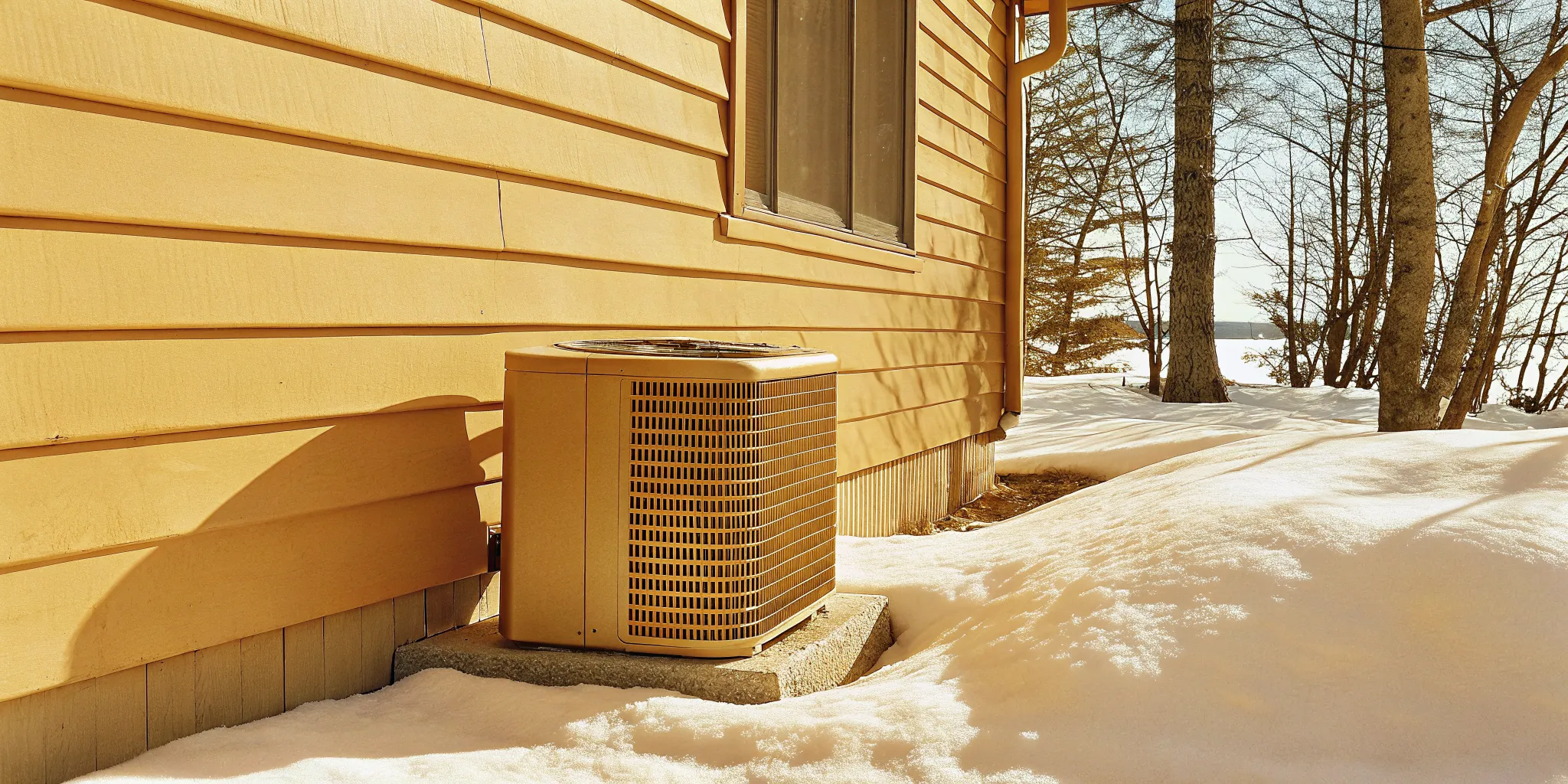
How heat pumps and gas furnaces work
To choose the right system for your home, you must first know how each one makes heat. A gas furnace uses a process called combustion to create warmth. It burns fuel inside a sealed box to make heat. Then, a fan blows that hot air through the ducts in your home. This process is simple and has been used for a long time. It works well to keep you warm when it is cold outside.
A heat pump works in a very different way. It does not create heat by burning fuel. Instead, it moves heat from one place to another. In the winter, it pulls heat from the air outside and moves it into your home. This is possible because heat pumps move heat rather than making it. This makes them very efficient. This move uses much less power than a furnace. You can learn more about the benefits of heat pumps and how they can save you money.
The heat pump cycle
The heat pump is a dual-function system. It can both heat and cool your home. In the summer, it works just like an air conditioner. It takes heat from inside your house and pumps it outside. When winter comes, a valve inside the unit flips. This lets the system pull heat from the cold air outside to warm your home. Modern tech now lets these systems work even when the weather is very cold. An air-source heat pump can give two to four times more heat energy than the power it uses.
The air from a heat pump often feels different than air from a furnace. A furnace gives off very hot air in quick bursts. This can make the air in your home feel dry. A heat pump gives off air that is not as hot, but it runs for a longer time. This leads to a steady heat and better airflow. To keep your system running at its best, you should book heating maintenance services each year.
How a gas furnace makes heat
A gas furnace needs three things to work: fuel, air, and a spark. When your home gets too cold, the unit opens a gas valve. A spark or hot wire lights the gas. The flames heat up a part called the heat exchanger. This is a metal box that stays separate from the air you breathe. A fan then blows air over the hot metal and into your ducts. The smoke and gas from the fire go out a vent on your roof. This system creates a high heat that can warm a cold house fast.
Because they burn fuel, furnaces have a rating called AFUE. This shows how much fuel becomes heat. High-end units can reach 98.5% AFUE today. This is very good, but it is still not as efficient as moving heat. Yet, a furnace is very reliable during the cold nights in Maryland. It does not need to pull heat from the outside air. So, it works the same no matter the weather. Many homes use both systems to get the best results.
Which system performs better in Delmarva weather?
Short answer: A modern heat pump usually performs efficiently through Delmarva’s moderate winter, while a gas furnace or dual-fuel system provides dependable backup during uncommon extreme cold. Coastal homes also need corrosion protection and regular maintenance.
Meeting the local climate
The Delmarva Peninsula sees a mix of weather that tests any HVAC system. Our winters are mostly mild, but we often face sharp cold snaps and high humidity. Coastal areas also deal with salt air that can wear down outdoor units fast. Choosing between a heat pump and a gas furnace depends on how your home handles these local factors. We can help you find the right fit with a $69 diagnostic call for your current setup.
Heat pump savings in moderate cold
In the mild Maryland and Delaware climate, heat pumps work very well. They move heat from the outside air into your home instead of making it from fuel. Because heat pumps transfer heat rather than make it, they use much less energy than older systems. Modern units are also built for colder spots. They can keep you warm even when it is below freezing. Using less power can lead to lower bills over time.
One major plus is that they provide both heating and cooling in one unit. This makes them a great choice for year-round use in our area. Heat pumps also help control humidity, which is a big deal for Delmarva homes in the summer. You can learn more about the benefits of heat pumps for your home. We even offer 0% APR financing for 60 months on new Bryant systems for those who qualify.
Reliability during extreme cold snaps
While heat pumps have come a long way, some people still want a gas furnace for the coldest days. A furnace gives off very hot air fast. This feels great when a winter storm hits Salisbury or Berlin. Furnaces often give more steady heat during deep cold. They do not need the outdoor air to be warm to work. This makes them a solid choice if you worry about extreme winter dips.
For some, a hybrid setup is the best answer. This system uses a heat pump for most of the year. It switches to gas when it gets very cold. This gives you the best of both worlds: daily savings and backup heat when you need it most. No matter which you choose, regular heating maintenance services will help your system last and run well.
Coastal challenges and home performance
Living near the ocean in places like Bethany Beach or Ocean View adds more work for your HVAC. Salt air can cause parts to rust and fail soon. We offer custom coastal HVAC corrosion protection to keep your unit safe from the sea air. This special coating helps your system last longer in the harsh salt air found along our shores.
We also look at your whole home’s health. We check your insulation, ducts, and air seals. This ensures your new system does not have to work too hard. A poorly sized system will cost more to run and may not keep you warm. We use a whole-home approach to make sure every part of your house works together. A well-sized system in a sealed home will stay warm and keep your power bills low.
Which costs less to install and operate?
Short answer: The lower-cost choice depends on existing fuel lines, electrical capacity, energy prices, and available rebates. Heat pumps can lower year-round operating costs, while an existing gas connection may reduce furnace installation costs.
Choosing between a heat pump and a gas furnace in Maryland means looking at both the upfront price and long-term bills. Each system has a different impact on your wallet based on how it works. While one might cost more to set up, it could save you more over time. We help local homeowners weigh these facts to find the best fit for their home and budget.
Upfront setup and install prices
A gas furnace often has a lower initial price tag than a heat pump. But you must also think about the cost of a separate central air unit if you want cooling. Since a heat pump gives both heating and cooling, it can be the cheaper path if you need to replace both at once. Setting up a gas furnace also needs vents and a gas line, which can add to the bill if your home is not ready for it.
Your local utility can help lower these costs. For example, eligible Maryland customers may get Delmarva Power rebates up to $15,000 for high-efficiency upgrades. At Bay-Care Heating & Air, we also offer 0% APR for 60 months on Bryant systems for qualified buyers. These programs make it easier to pick a system that saves you money for years to come.
Monthly bills and energy use
Heat pumps use less power because they move heat instead of making it. A modern unit can give two to four times more energy than the power it uses. This high efficiency can lead to lower monthly bills for many homes in our area. In contrast, even the best gas furnaces can only reach about 98.5% efficiency because they must burn fuel to create heat.
Running costs also depend on the price of fuel. In Maryland, power prices and natural gas rates change over time. Many people find that the high efficiency of a heat pump helps protect them from big swings in fuel costs. To keep any system running at its lowest cost, we recommend regular heating maintenance services to prevent wear and tear that can drive up power use.
Lifetime value and home performance
When you look at the life of the system, a heat pump often offers great value. It handles both jobs with one piece of gear, which can make home care easy. But a gas furnace may last a few years longer because it only runs during the cold months. We look at your whole home to see which choice will give you the most comfort for every dollar you spend.
For those near the coast, salt air can be a big problem for any outdoor unit. We offer a special coating to protect your system from rust and wear. This helps your unit last longer and work better, which saves you from early replacement costs. By looking at all these costs together, you can make a smart choice for your Maryland home.
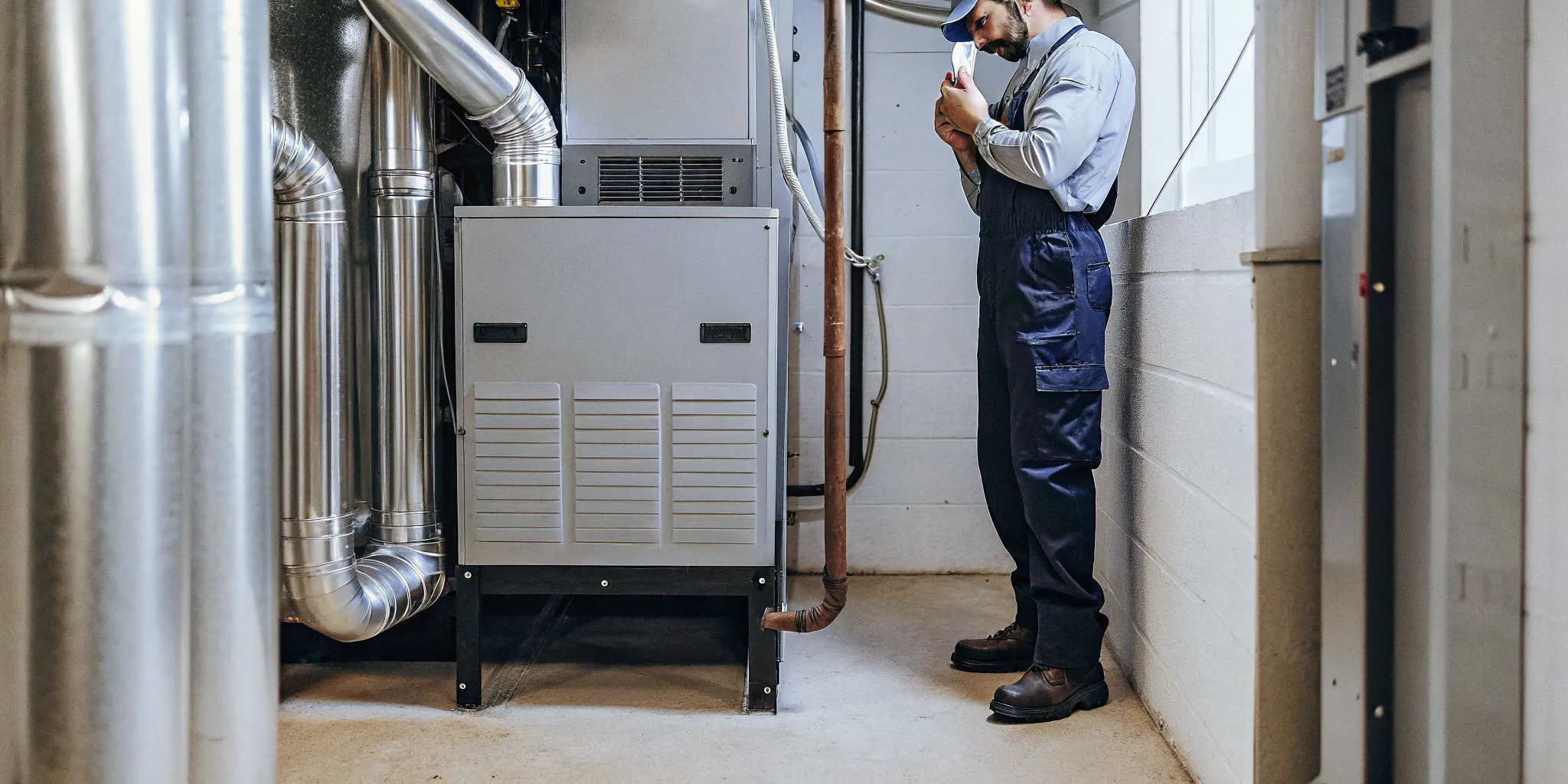
Ask Bay-Care for a free second opinion before choosing your next heating system.
Comfort and efficiency depend on the whole home
Picking between a heat pump vs gas furnace maryland people use is just the first step. You need more than just a new unit. To get the most from it, you must look at your entire house. A top unit will fail if your home has air leaks or poor insulation. We view your home as one big system to make sure you stay cozy and save cash.
Sealing your home’s envelope
Your home’s envelope is the shell that keeps treated air inside. If your attic lacks enough insulation, your heater will work much harder to keep you warm. Air leaks around windows and doors let in cold drafts. This makes any system less useful, no matter how much power it has. It also makes your home less green by wasting energy and raising emissions.
Stopping leaks also helps your indoor air quality. When air seeps in through the attic or crawl space, it brings dust and pollen with it. By sealing these gaps, you keep your home cleaner and your air fresher. Good air sealing and attic insulation are the best ways to support your new HVAC unit. It stays at the right heat for a longer time.
Modern air-source heat pumps can reduce your power use by 50% compared to older units. But these savings only happen if your home holds onto that heat. Heat pumps are part of a home performance plan that treats your house as a unit. This full view is how we help you make the best choice for your Maryland home.
The role of healthy ductwork
Your ducts are like veins. They carry warm or cool air to every room. If your ducts have cracks or holes, you might lose up to 30% of your treated air before it reaches you. This waste forces your system to run longer, which raises your energy bills and wears out the parts fast. It also puts more stress on the blower motor and coils.
Duct state is vital when you look at a heat pump vs gas furnace maryland choice. Heat pumps often move air at a lower warmth than gas furnaces do. This means you need good air flow and tight ducts to feel the full effect of the heat. If your ducts leak, you will feel cold spots in some rooms while others stay warm. We offer duct services to make sure your home’s “pipes” are ready for your new unit.
Why energy audits matter
A whole-home approach starts with a clear plan. We use energy audits to find where your home loses power and comfort. These tests show us if your system is the right size for your space. A unit that is too big or too small will not run well, even if it has a high rating. It will cycle on and off too fast, which leads to uneven heat and higher power use.
Finding the right fit helps you get all the benefits of heat pumps or furnaces. The right size also means lower emissions since the system runs at its best. Our team at Bay-Care Heating & Air looks at your insulation, air flow, and indoor air quality together. We want to give you a total fix that lasts for years. This way, you stay more cozy all year and keep your bills low.
How to choose the right heating system for your home
Short answer: Start with your current fuel source, electrical panel, ductwork, comfort concerns, and long-term budget. A professional load calculation and whole-home assessment can prevent oversizing and reveal whether efficiency upgrades will improve either option.
Start with your home setup
Choosing a new heater is a big move. You want a system that keeps you warm but does not break the bank. In Maryland, the choice often comes down to a heat pump vs gas furnace. Each has its own pros based on your home and where you live.
Before you pick a system, you must look at what you have now. Your current fuel source is the biggest factor. If your home has gas lines, a gas furnace is a strong choice. But many homes in our area rely on power alone. For those homes, modern benefits of heat pumps offer high savings and work well in our climate. You also need to check your power panel. A new heat pump might need more power than an old furnace. Full panels may need an upgrade.
Also, look at your ducts. A “whole home” path means checking that your ducts can handle the air from a new system. Bay-Care Heating & Air looks at your entire home to make sure your new system works its best.
Think about comfort and location
Your comfort goals matter just as much as the tech. Do you want one system that handles both heating and cooling? Heat pumps provide cooling in the summer as well as heating in winter according to energy.gov. This makes them very helpful for year-round use. If you have an old AC unit that also needs to be replaced, a heat pump can do both jobs at once.
Location also plays a part. If you live near the water in towns like Ocean City or Bethany Beach, salt air is a big risk. Salt-air rust can ruin a system fast. We offer coastal HVAC corrosion protection to help your system last longer. This unique coating is a key part of our work for Delmarva homeowners. It keeps your coils safe from the harsh sea air.
Six steps to the right choice
Finding the best fit for your home takes a few clear steps. You must also think about how much you will pay each month. High energy use can lead to big bills. Modern heat pumps can use 50% less power than old electric furnaces according to energy.gov. Many Maryland homeowners can also get big rebates for picking a new system. For example, Delmarva Power rebate programs offer up to $15,000 for some high-savings upgrades. We also offer 0% APR financing for 60 months on Bryant systems for qualified buyers.
- Find your fuel source. Check if you have gas lines or if your home uses power for everything to see which system fits best.
- Check your power panel. Look at your panel to see if it has room for new wires as a heat pump needs more power.
- Check your ducts and insulation. Air leaks can make even the best system work too hard, so a whole home view helps find these gaps.
- Look at your current AC age. If your AC is old, a heat pump can replace both your heater and your cooler in one unit.
- Think about your coastal risk. Homes near the salt air need extra care, so ask about coatings that stop salt from eating your coils.
- Get a pro to measure your home. A pro should measure your home’s size and layout to ensure you buy a system that is the perfect size.
A pro measure is the only way to be sure your system isn’t too big or too small. Systems that are the wrong size will waste energy and wear out fast. We help you find that perfect balance for long-term comfort and lower bills. Getting the right size ensures your home stays cozy all year long.
When does a dual-fuel system make sense?
Short answer: Dual fuel makes sense when you want efficient heat-pump operation during typical Delmarva weather plus gas-furnace backup during the coldest periods. The system switches sources near a configured balance point.
A dual-fuel system blends two tools to keep your home cozy. It uses an electric heat pump and a gas furnace. Most of the time, the heat pump does the work. It pulls heat from the air outside and moves it into your rooms. This is very cheap because the system moves heat instead of making it. But when it gets very cold out, a heat pump may work harder to keep up. That is when the gas furnace turns on. It gives you a hot blast of air when the outside temp drops low. This makes it a top pick for the heat pump vs gas furnace maryland choice many people face.
How the two tools work together
In a dual-fuel setup, the heat pump handles the mild days we see in Maryland. Heat pumps move heat rather than making it, which uses much less power. Also, these systems can cut power use by half. This helps you save on bills during the fall and spring. When the air turns bitter, the gas furnace takes over. The furnace burns fuel to make high heat fast. This shift helps your home stay warm no matter how cold it gets in Salisbury or Easton. It gives you comfort that a single unit might miss when the frost is deep.
Using both units helps the whole system last longer too. The heat pump does not have to strain when it is zero degrees out. The furnace rests during the mild months. This shared load means less wear on your parts. We see this as a key part of our whole home approach. We want every part of your home to work as one. This leads to better air and fewer breakdowns over the years. Plus, if one unit needs a fix, you may still have the other to keep you safe for a short time.
Finding the balance point
The system has a setting called a balance point. This is the temp where the furnace starts to help. If the air outside stays above this point, the heat pump runs alone. This is when you see the most benefits of heat pumps in your daily life. If the temp falls below that point, the furnace kicks in. Modern tech makes this shift smooth. You likely will not even know it happened. You will just feel a steady flow of warm air through your vents.
A pro tech can set this point for you. They look at your home and how well it holds heat. They check things like your attic insulation and your duct work. This ensures you never feel a chill when the snow starts to fall. If you need a check, we offer heating maintenance services to keep things on track. Getting the balance right is the best way to keep your costs low. It stops the furnace from burning fuel too soon. It also keeps the heat pump from running too much in the deep cold.
Is it right for your home?
A dual-fuel system is great for homes on the Delmarva Peninsula. Our winters can be tricky. We have many days where it is just cool, but we also have deep freezes. A hybrid system handles both. It fits our local weather and helps you stay in control of your home power use year-round.
This type of system is a great fit if:
- You already have a gas line or a propane tank at your home.
- You want to save money on power bills during the mild months.
- You need strong heat for the coldest winter nights of the year.
- You want one system that handles both heating and cooling.
You should talk to an expert to see if your current setup can handle it. They can check your ducts and your power needs to find the right fit. At Bay-Care Heating & Air, we can help you find 0% financing for 60 months on new Bryant systems for qualified buyers. This makes it easier to get the high-tech gear you need now. We also help you find rebates that can save you a lot of money on the install. Our team can walk you through the full cost so you can make a good choice for your family.
Frequently Asked Questions
Are heat pumps worth it in Maryland?
Yes, heat pumps are often worth the cost for Maryland homeowners. These systems provide both heating and cooling in one unit. They are very efficient in our moderate climate. According to the Department of Energy, modern heat pumps can cut your power use by half compared to electric furnaces. You may also get rebates up to $15,000 through local programs.
Is it cheaper to run a gas furnace or a heat pump in Maryland?
Running a heat pump is usually cheaper in Maryland due to how well they work. While a gas furnace burns fuel to make heat, a heat pump moves heat from the air outside. Many local homes see lower monthly bills after switching to this tech. According to energy.gov, a heat pump can deliver much more heat than the power it uses.
What is the 20 degree rule for heat pumps?
The 20 degree rule is about the point where older heat pumps lose power. When the air outside drops below 20 degrees, some units struggle to pull enough heat into your home. However, new cold-weather models work well even in freezing air. Our team can help you find a system that keeps you warm during the coldest Delmarva winter nights. We also offer backup heat options for extra peace of mind.
Is it better to have a furnace or a heat pump in Maryland?
The best choice depends on your home and budget. Heat pumps work well for heating and cooling for most of the year. Furnaces can provide more heat during very cold weeks. For the best of both worlds, many people choose a dual fuel system. This uses a heat pump for most days and a gas furnace for the coldest weather. Our experts can help you pick the right fit for your house.
Ready to find the best heating system for your home?
Waiting to update your old heater could lead to high power bills or a sudden breakdown on a cold night. If you act now, you can get the best system for your home and start saving on your monthly costs. Our team will help you find a setup that fits your needs and your budget. We will check your home’s air flow and walls to find the perfect fit. This helps you get a system that lasts for a long time and works well. We can even show you how to get the most out of local cash back deals for your new install. Taking this step today means you can rest easy knowing your house is ready for the cold winter. You will not have to worry about repairs or cold spots in your rooms.
Ready to schedule a free consultation? Call 302-245-3365 to compare your heating options with Bay-Care.


