
Maryland’s summer heat and damp air make cooling systems work much harder than they do in dry states. This constant strain on your equipment can lead to early breakdowns if you do not pay close attention. To help you plan, we have created our comprehensive HVAC Service and Replacement Guide for Eastern Shore Maryland Homeowners to outline your best options.
Need immediate help with your cooling system? Schedule your expert AC repair service online or call the local team at Bay Care Heating & Air at 302-245-3365 today!
Bay Care Heating & Air notes that how long does an ac unit last in maryland is typically 10 to 15 years due to high humidity and salt-air corrosion. While the national median lifespan of a central air conditioner is 15 years according to ASHRAE, coastal Delmarva conditions often accelerate wear. Homeowners can extend their systems’ life through regular professional maintenance, timely repairs, and coastal corrosion protection.
Local factors like dirt and salt can change how well your system performs each summer. You must know the baseline to decide if a repair or a full replacement makes more sense. We will start by looking at the average lifespan of a central AC unit to see how your home compares on the Delmarva Peninsula.
How Long Does An Ac Unit Last In Maryland: What is the Average Lifespan of a Central AC Unit?
Most central AC units last between 15 and 20 years. Data from Mississippi State University shows that a well-kept system can reach the two-decade mark. Industry charts from ASHRAE often point to a 15-year median life. If you want to know how long does an ac unit last in Maryland, the answer is often tied to how well you care for it. The Environmental Protection Agency says 15 years is the normal life for most home split systems.
Normal cooling system life
While 15 years is the norm, the actual lifespan depends on system sizing and operational habits. A cooling system that is improperly sized for your home will cycle too frequently, causing parts to wear out prematurely. Additionally, maintaining extremely low indoor temperatures during hot, humid Maryland summers increases run hours, which accelerates wear on the compressor and motor.
Why local factors matter
In Maryland and Delaware, the air can be quite tough on your cooling tools. High moisture and salt air along the coast can lead to severe condenser coil corrosion. If you live near the beach, salt can eat away at the metal coils. This often cuts many years off the life of the unit. Without expert care, a system might only last 10 to 12 years in these places.
Poor airflow is another common killer of AC units in our region. When dust and dirt build up on the coils, the system cannot move heat well. This makes the unit run longer and hotter. To avoid this, you should find ways to shoreline cooling system checklists by changing your filters every month. Cleaning the outdoor unit often also helps keep the air moving.
Comparing system types
It is also helpful to look at how other systems compare in the long run. Heat pumps often have a shorter life than central AC units. This is because they run all year to both heat and cool your home. A central AC unit only works during the hot months. This difference in use changes how fast parts wear down. Other systems like furnaces tend to last longer because they have fewer moving parts than a cooling unit.
| System Type | Typical Lifespan | Key Life Factor |
|---|---|---|
| Central AC | 15 to 20 Years | Coastal Salt and Care. |
| Heat Pump | 10 to 16 Years | Total Annual Use. |
| Gas Furnace | 15 to 25 Years | Heat Exchanger State. |
| Ductless AC | 10 to 15 Years | Coil and Filter Care. |
Using these facts helps you plan for a future swap. If your unit is over 10 years old, you might see your power bills go up. New systems save more power than those made a decade ago. In fact, getting a new unit can cut your cooling costs by as much as 40%. This savings can help pay for the unit over time. You should also check for local rebates that can lower the price of a new setup.
How Maryland’s Heat and Humidity Strain Your AC System
Maryland summers bring high heat and damp air that force your AC unit to work much harder. This heavy load can lead people to wonder how long does an ac unit last in maryland. While a system might run well for years, the local climate adds a special set of stresses. The mix of thick humidity and coastal salt air creates a tough place for any cooling system.
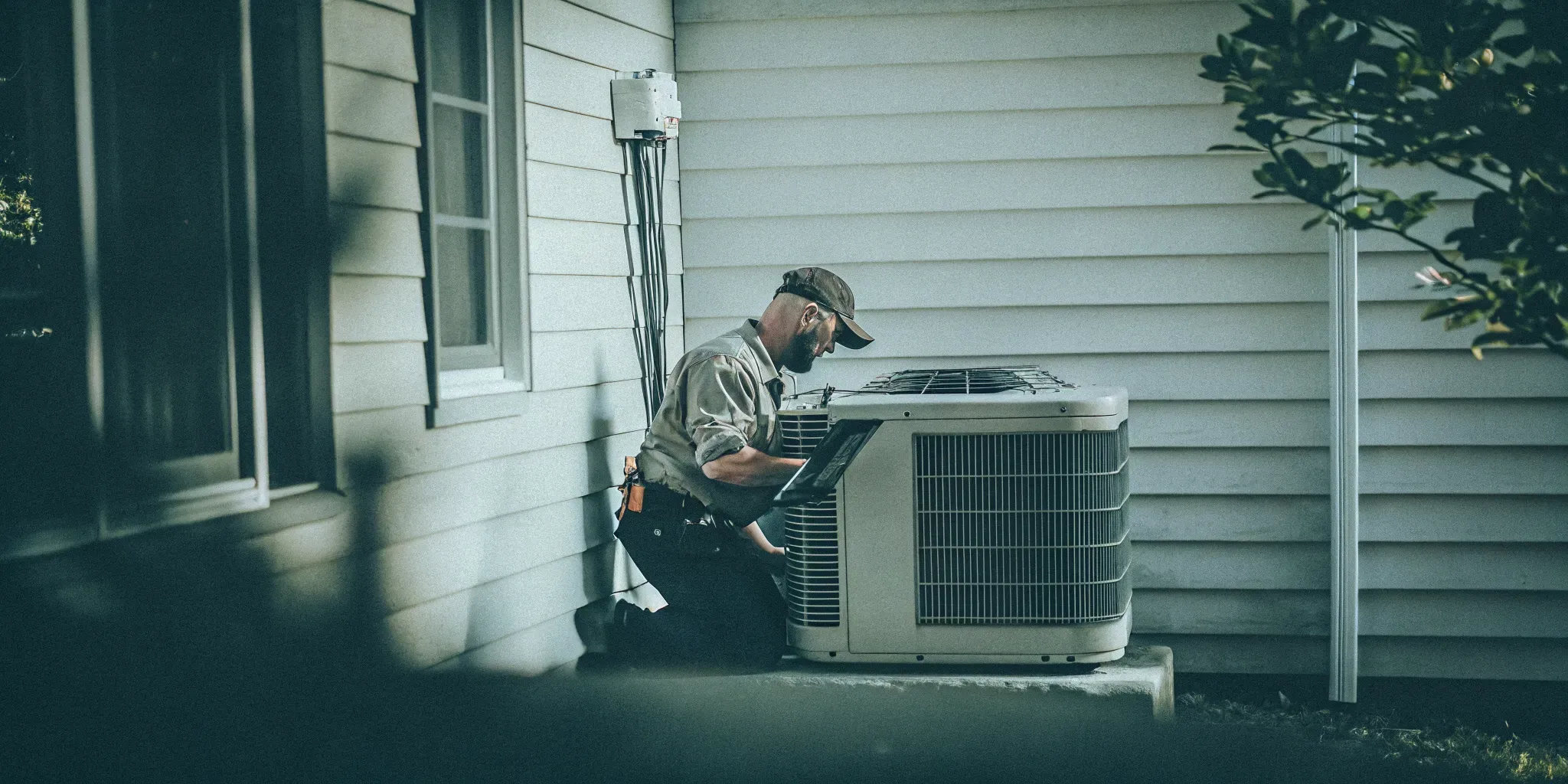
Wet air and system stress
High humidity means your air conditioner must do two jobs at once. It has to lower the air temperature and pull water out of the air. This is often called a damp air load. This process puts extra weight on the fan motor and the compressor. When the air is damp, the unit stays on for longer cycles to reach a good comfort level for your family.
This long run time adds fast wear to moving parts. The Environmental Protection Agency states that home split systems have a normal design life of 15 years. But if a unit fights wet air every day without a break, it may fail much sooner. You can check for salt-air coil breakdown if you live near the sea. The salt makes the dampness even more harmful to the metal coils.
Efficiency loss from high heat
When the outdoor heat spikes on the Delmarva Peninsula, your AC unit finds it harder to vent warmth from your home. The coils must work at peak levels to move heat outside. If the coils are dirty or the air is thick with salt and dust, the unit loses its cooling power. This means it uses more energy to do less work. This puts a major strain on the whole system.
Over time, this heat strain causes small parts to break down. Power parts can overheat, and the coolant can leak from lines that are under too much pressure. This loss of power does not just raise your monthly bills. It also cuts the total life of the machine. Systems in hot, humid areas often see a shorter life than those in cool, dry zones. This happens because the parts never get a chance to cool down.
The value of regular upkeep
To fight these strains, regular professional maintenance is essential. Experts at Mississippi State University note that a central AC system can last up to 20 years with the right care. Booking an annual expert tune-up allows a technician to clean coils, check electrical connections, and catch minor issues before they become expensive breakdowns, helping your system reach its full service life.
Salt Air and Coastal HVAC Corrosion Challenges
Living near the ocean in Maryland or Delaware brings unique hurdles for your home. While the sea breeze is nice, it carries salt that can harm your cooling system. Salt air is a top cause of early failure for AC units in beach towns. It attacks the metal parts and makes the system work harder. If you do not protect your unit, it may not last as long as you expect. Knowing how to fight this damage is key to staying cool.
Why salt air is a threat
Salt air causes rapid rust on metal AC components, starting on the heat-transfer coils and fins. This salt-sticking process leads to salt-induced degradation on local systems. Over time, the metal thins, causing refrigerant leaks that raise your utility bills and degrade cooling performance. Additionally, salt corrosion can damage electrical connections and the fan motor. On the Delmarva Peninsula, this damage occurs rapidly, meaning an unprotected system can fail in just a few seasons without regular professional inspections.
Benefits of corrosion protection
Specialized coil coatings act as a protective shield, keeping corrosive salt away from the copper and aluminum coils to extend system life. While the Environmental Protection Agency notes a standard split system design life of 15 years, coastal systems often fall short. A protective coating helps your unit reach that 15-year target while maintaining optimal heat transfer efficiency. This means your system runs shorter cycles, lowering energy bills and reducing wear on the compressor motor.
Protecting your system in Maryland
Homeowners often ask how long does an ac unit last in maryland when they live near the sea. The answer depends on how well you care for it. Using a plan to routine oceanfront HVAC maintenance is vital in coastal spots. You should rinse your outside unit with fresh water once a week. This washes away salt before it can cause rust. You also need a pro to check your system each year to find and fix small problems.
Good care can help your unit match the ASHRAE HVAC life span of about 15 years. We use a whole-home approach to look at your entire system. This includes your ducts, insulation, and the AC unit. By looking at the big picture, we find ways to help your system last longer. Using high-quality Bryant systems and the right coatings will give you a cool home for many years.
Concerned about salt-air damage or system age? Explore energy-efficient Bryant AC installations or request a free replacement estimate by calling 302-245-3365.
Signs Your AC Unit is Approaching the End of Its Life
Knowing how long does an ac unit last in maryland helps you plan for the future. Most central cooling systems have a design life of 15 years. If your system is near this age, you may see a drop in comfort. Small issues often turn into big breaks when a unit is old. You should watch for signs that your home needs a new cooling setup.
Rising costs and frequent repairs
A big sign of an old unit is a rise in your power bills. Older models work harder to cool your home. This extra work uses more energy and costs you more money each month. You might save 20 to 40 percent on power costs by replacing a 10-year-old AC with a new model. Modern units use less power to move the same amount of cool air.
Fixing an old system over and over is rarely a good path. If you need when to call for professional AC repair more than once a year, the unit is likely at its end. These repair costs can add up fast. It is often better to buy a new, strong system. This helps you avoid breaks when you need cool air most.
Strange sounds and poor cooling
Your AC should hum at a low level in the background. If you hear loud bangs or squeals, parts may be failing. Squealing often means a belt or motor is going bad. Strange smells can also mean your motor is burning out or mold is growing in the ducts. These issues can lower the air grade in your home and lead to risks for your family.
You might also notice that some rooms stay warm while others are cold. This troubleshooting AC efficiency issues often points to a failing compressor or leaky ducts. An old unit loses its power to push air through the whole house. When the system can no longer keep your home at an even temperature, it is time to think about a new unit.
Coastal wear and humidity
Living near the water puts more stress on your system. Salt air can lead to progressive salt-air damage. This rust thins the metal and ruins the coils. In Maryland, high humidity also makes the unit work longer hours. This constant run time wears down the motor and other key parts much faster than in dry areas.
If your home feels sticky even when the AC is on, the unit can no longer pull enough water from the air. Old systems lose their power to control indoor moisture. This can lead to mold and a home that feels warm even if the air is moving. A new system will manage the humidity better and keep your family cool all summer long.
- The system is more than 15 years old.
- Energy costs go up even when use stays the same.
- You hear grinding or clanking sounds during a cycle.
- The unit turns on and off too fast.
- Some rooms never get cool enough.
- Indoor air feels damp or sticky.
How Long Does an AC Unit Last in Maryland: The Impact of Maintenance Habits
Homeowners in Maryland often ask how long does an ac unit last in maryland. The local weather puts a heavy strain on your cooling tools. The mix of wet air and salt from the coast can cause parts to wear out fast. While many central AC systems last 15 years, expert care can push that number higher. Good habits keep the system from working too hard during the hot months. When a unit runs smooth, it does not get as hot or wear down as fast.
Why expert checks help
A yearly check does more than just keep you cool. It helps you find hidden issues like small leaks or loose wires. When you ignore these problems, they force the unit to work much harder to do its job. This extra stress is a main reason why units fail too soon. Bay-Care Heating & Air looks at your whole home to find these risks before they cause a break. We want to help you coastal-specific equipment guides with smart, early service. Our pros check parts that most people never see.
Steps to keep your unit strong
Our team follows a clear list of tasks during every visit. These steps are the best way to keep your unit in top shape for a long time. Each step helps the system run with less effort.
- Clean the indoor and outdoor coils so they can move heat out of your home well.
- Check the level of refrigerant to make sure the motor does not work too hard to cool.
- Look at all power parts and tighten them to stop the risk of a system short or fire.
- Clear out the drain line to stop clogs that cause water damage or mold in your walls.
- Add oil to moving parts like fan motors to lower wear and keep the system quiet.
- Test the controls to make sure the unit starts and stops at the right times.
Local challenges for cooling units
In towns like Salisbury or Rehoboth Beach, the air is often thick with salt. This leads to rust on the outdoor parts very fast. Getting a coastal corrosion protection coat is one of the best habits for beach homes. Without it, the metal parts of your unit can fall apart in just a few years. Keeping your unit clean and safe helps it handle the tough local air. We see many units fail early because of salt damage.
Expert care also helps keep your power bills low. A clean system uses less power to cool your home. This means you save cash every month while avoiding the cost of a new unit. A well-kept AC can save you a lot of stress during a heat wave. Taking these steps now is a smart way to protect your home and your peace of mind.
Unsure if your older AC unit is still worth repairing? Schedule a professional cooling system checkup with Bay Care Heating & Air today, or speak to our expert team at 302-245-3365!
Should You Repair or Replace a 10-Year-Old AC Unit?
Deciding whether to fix an old air conditioner is a common choice for many people. At ten years old, your system is starting the final stage of its life. While it may still run, the cost to keep it going can start to climb. You must weigh the price of a fix against the value of a new system. A good way to start is by looking at the total cost of owning it over time.
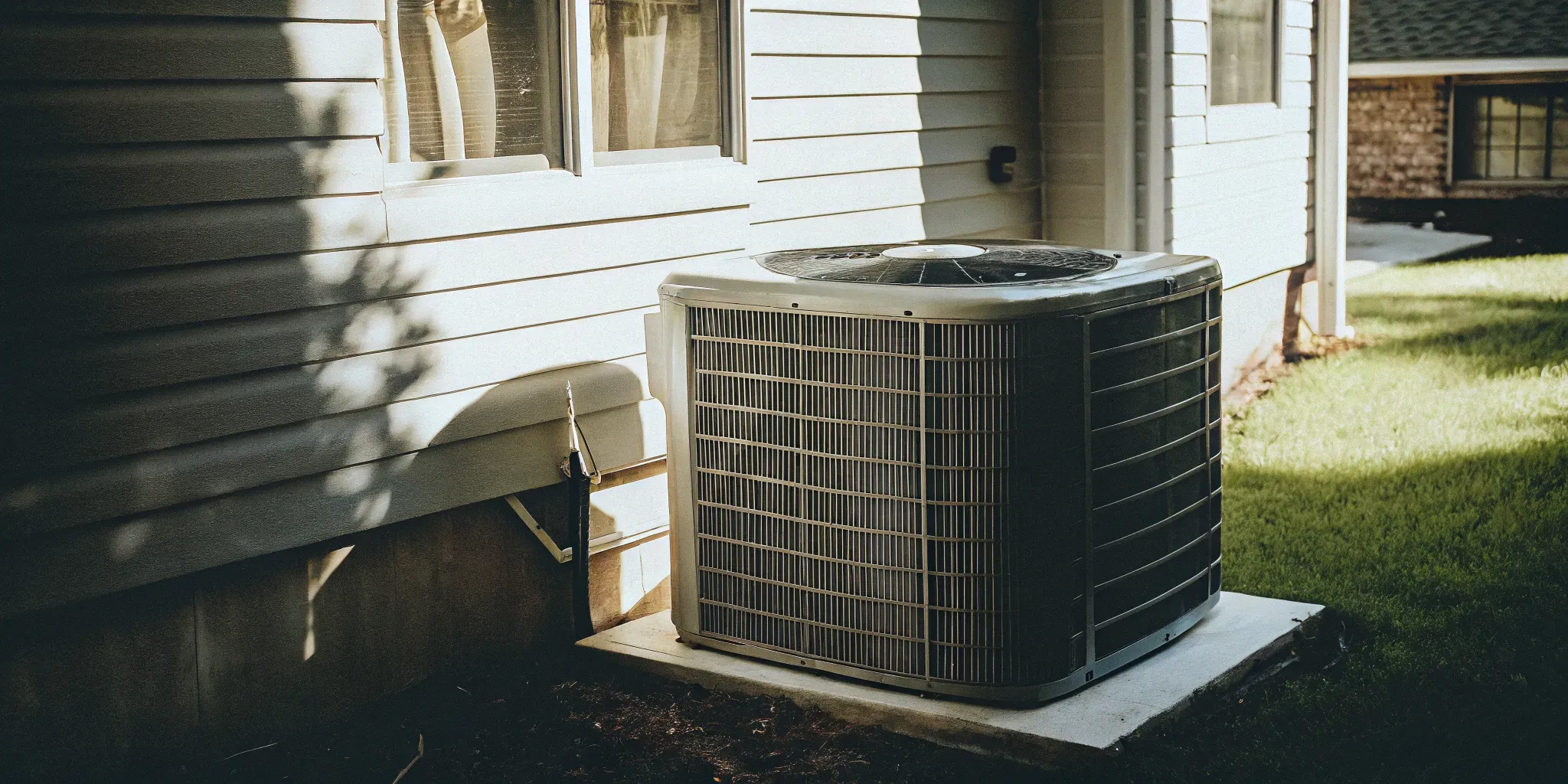
The $5,000 rule for repair costs
Many experts use a simple math trick called the $5,000 rule to help you decide. You multiply the age of your unit by the cost of the repair. If the total is more than $5,000, you should think about a new unit. For a 10-year-old system, any fix that costs more than $500 might not be worth it. This rule helps you see if you are just wasting money on a system that will soon fail anyway.
Frequent fixes are a clear sign that your unit is wearing out. If you find yourself calling for AC repair every summer, the costs add up fast. Old parts can strain the whole system and lead to even bigger breaks. Getting a new unit can stop this cycle and give you peace of mind during the hottest months.
Power savings with a new unit
A new AC unit can do more than just stop repair bills. It can also lower your monthly power costs. Modern systems are much better at using power than those made ten years ago. You can save 20 to 40 percent on cooling costs with a new model. This helps even if your current air conditioner is only ten years old.
New units use better tech to cool your home with less effort. They often have higher ratings that show they are good at saving power. This is helpful for resolving standard airflow bottlenecks that cause high bills. Newer models also handle humidity better, which is a big deal for local comfort. Lowering the damp feel in your home makes it much nicer to live in.
How long does an ac unit last in maryland?
You might wonder how long does an ac unit last in maryland compared to other places. In our region, systems usually last between 10 and 17 years. The usual design life for these systems is about 15 years. However, the heavy humidity in Maryland puts a lot of strain on your AC. It has to work harder to pull moisture out of the air, which can wear out parts faster.
If you live near the coast, salt air can also shorten the life of your system. Salt causes metal to rust and can damage the coils in your unit. Regular care and special coatings can help, but ten years is still a major milestone. If your unit struggles to keep up or makes odd noises, it may be time to look at a new AC installation for your home. You can read more about your options in our HVAC Service and Replacement Guide for Eastern Shore Maryland Homeowners.
- High power bills each month.
- Uneven cooling in different rooms.
- Strange smells or loud sounds.
- Humidity levels that feel too high.
Frequently Asked Questions
What is the average lifespan of an AC unit in Maryland?
In Maryland, a typical central air conditioning unit lasts between 10 and 17 years. The humid air and high summer heat can put extra stress on the system. According to the EPA, most unitary air systems have a design life of about 15 years. Regular service can help your unit reach this age or even last longer. Keeping the outdoor unit clean and changing filters often will also help the system run well.
How long do air conditioners last in hot and humid climates?
High heat and moisture can shorten the life of your cooling system. These conditions force the unit to work harder to pull wetness from the air. In areas like the Delmarva region, salt air can also cause parts to rust or wear out fast. Most units in these spots last about 10 to 15 years. You can help your unit last by booking a checkup each year and keeping the coils clear of dirt and leaves.
What factors affect the lifespan of a home air conditioner?
Many things impact how long your unit stays in good shape. Key factors include how well the unit was put in and how often it gets a tune-up. Units that do not get regular care often fail sooner. High humidity and salt air also play a large role in coastal spots. Systems that are the wrong size for a home may turn on and off too much. This causes parts to wear down faster than they should.
Should I repair or replace a 10-year-old AC unit?
Choosing to fix or replace a system depends on the cost of the work. Many pros use the 5,000 rule to help you decide. You multiply the age of the unit by the cost of the fix. If the total is over 5,000 dollars, it is often better to buy a new one. A 10-year-old unit may also use much more power than new models. Modern systems can save you money on bills and keep you more cool.
Ready to schedule a professional diagnostic?
Running an old, worn-out AC unit in the heavy Maryland heat will cost you more each month in energy bills. If you wait until your system breaks down on a hot July day, you may face long wait times for a replacement. Taking action today helps you catch small issues before they turn into a major system failure and keeps your home comfortable all summer long.
Ready to book? Call (302) 245-3365 to schedule a professional diagnostic or free consultation.


