If you are asking how much does attic insulation cost, the most honest answer is that the number depends on what your attic needs—not just its square footage. The price can change with the existing insulation, access, air leaks, moisture concerns, material choice, and the amount of preparation involved. For Maryland and Delaware homeowners, a useful estimate starts with a clear look at the whole attic and a written explanation of the work.
Talk with Bay Care about your attic insulation project
How much does attic insulation cost without a site evaluation?
Bay Care cannot give a reliable project total from square footage alone. Two attics with the same floor area may require different materials, cleanup, air sealing, or access work. Use a broad online estimate only as an early planning prompt; a written, attic-specific scope is what lets you compare the actual work and price.
There is no single price that applies to every Delmarva home. A straightforward installation over an accessible attic floor is different from a project that must remove damaged material, work around tight eaves, address air leaks, or resolve signs of moisture. An estimate should explain which of these conditions apply and how they affect the proposed work.
Ask whether the quoted amount covers materials, labor, preparation, cleanup, and any related air sealing. If a quote contains a single total without describing the work, ask for the scope in writing before you use it to compare options. A lower figure may reflect a smaller work area or fewer included steps rather than a better price for equivalent work.
For a first conversation, have the approximate home age, attic access details, and any comfort problems ready. Photos can help explain visible conditions, but they do not replace an on-site assessment when one is needed to confirm insulation depth, access, or possible moisture concerns. Bay Care’s attic insulation service information is a good starting point for understanding the work.
Which conditions have the biggest effect on attic insulation cost?
Bay Care looks beyond the amount of new insulation when evaluating a project. The existing material, attic access, air leakage, moisture clues, and the desired coverage all help define the scope. These conditions influence labor and preparation as well as material quantity, so they should be documented before you compare bids.
- Attic size and layout: A larger area usually needs more material, but unusual framing, low clearance, narrow eaves, and obstructions can also make installation slower.
- Current insulation: An attic with clean, evenly distributed material may need a different approach from one with gaps, compressed sections, mixed materials, or material that should be removed.
- Access and working space: A small hatch, limited headroom, or difficult movement between joists can add labor or require careful protection of the home below.
- Air leakage: Openings around wiring, plumbing, framing, or ceiling fixtures may need attention. Insulation and air sealing address different parts of the problem, so ask whether sealing is included or separately priced.
- Moisture or damage: Staining, dampness, pest evidence, or damaged insulation should be investigated. Covering a symptom without understanding its source can leave the underlying issue unresolved.
- Target coverage and material: The amount to install and the selected product affect material needs and installation details. The right choice depends on the attic and the work scope, not simply on a preference for a particular product.
These factors interact. For example, adding material may be a simple scope in an open attic, while a similar quantity in a cramped space can require more time and protection. If insulation is disturbed or removed, the work plan should also account for safe handling and disposal as applicable. The Federal Trade Commission’s guide to buying home insulation offers useful questions for evaluating insulation claims and purchase details.
Does the existing insulation need to be removed or can it stay?
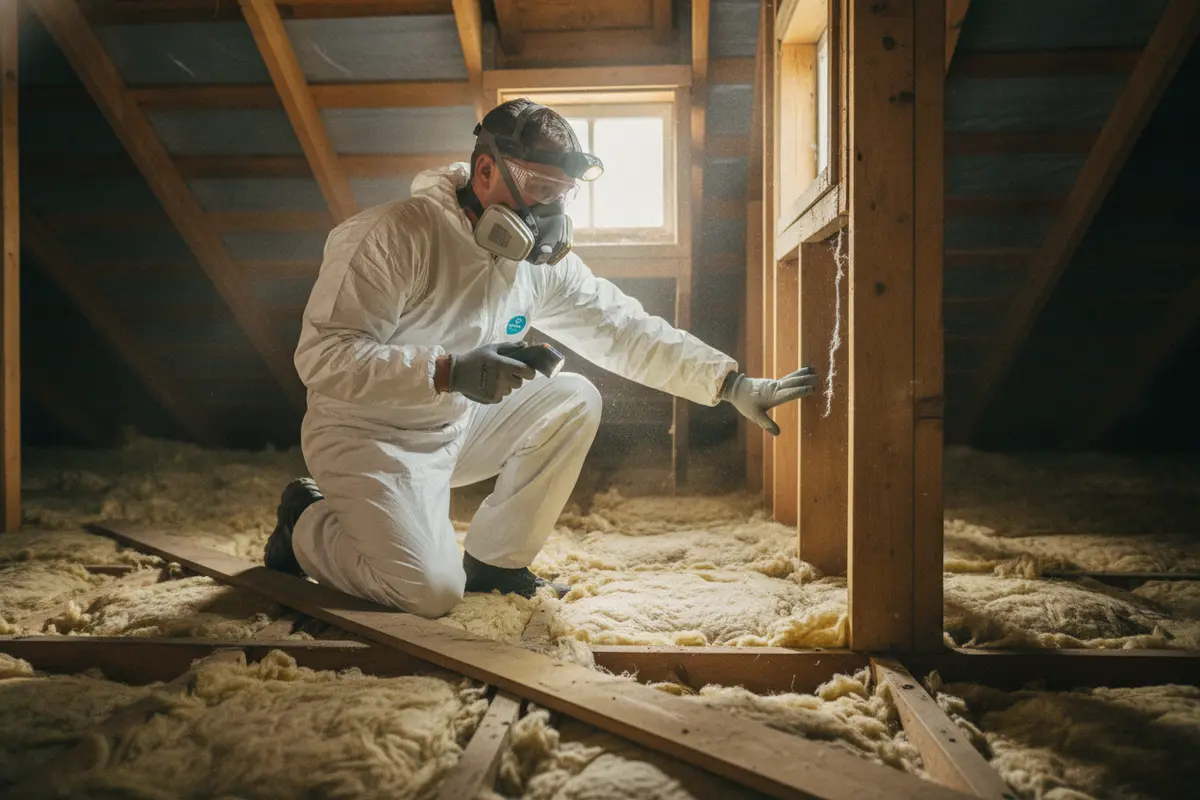
Bay Care should evaluate the condition and placement of existing insulation before recommending whether to add material or remove some first. Leaving suitable material in place may avoid unnecessary work, while wet, damaged, contaminated, or poorly installed material can call for a different plan. The reason for removal should be clear in the written estimate.
Insulation can lose usefulness when it is compressed, displaced, or interrupted by gaps. Simply adding more over every existing layer does not automatically correct those conditions. A contractor should inspect accessible areas and explain whether the old insulation is dry, in reasonable condition, and compatible with the proposed installation.
If removal is proposed, ask what condition made it necessary, which areas are included, and whether the estimate covers containment and disposal. Ask how the work area will be protected and how the ceiling plane will be prepared before new material goes in. These questions are practical safeguards, not a reason to assume removal is always required.
Moisture deserves particular attention. Discoloration or damp insulation may point to a roof leak, ventilation issue, plumbing leak, or another source that should be investigated. New insulation does not fix a water source. Clarify whether diagnosis or repair of a separate moisture problem is included in the proposal or needs another qualified professional.
Have the contractor distinguish observations from confirmed causes. For example, a visible stain is an observation; identifying why it formed may require additional inspection. A clear scope tells you what the insulation contractor will do and flags any work that falls outside that scope.
How do insulation material and installation method change the estimate?
Bay Care can help homeowners compare a proposed insulation method against the attic’s layout and goals. Material choice affects more than the product line on a quote: it can change how the installer prepares the space, works around obstacles, and verifies coverage. Compare methods by the work they require and the result the scope describes.
| Scope or choice | What it may involve | What to ask about the estimate |
|---|---|---|
| Add insulation over suitable existing material | Check existing condition, prepare the area, and install additional coverage where appropriate | Which areas are included, how gaps or compressed sections are handled, and whether air sealing is separate |
| Remove and replace material | Removal and disposal where warranted, preparation, then installation of new insulation | Why removal is needed, what protection and cleanup are included, and how the source of damage will be addressed |
| Blown-in insulation | Loose material is installed across an attic floor or other planned area using blowing equipment | How coverage and depth will be checked around framing and obstructions |
| Batt or roll insulation | Pre-formed sections are fitted into suitable spaces and around framing | How the installer will avoid gaps, compression, and poor fitting around obstacles |
| Air sealing with insulation work | Accessible leakage paths are sealed as part of a separate or combined scope | Which openings are included, which need a different trade, and how the work will be documented |
This table compares work scopes, not fixed prices. A method that suits one attic may not suit another, and an estimate should identify the material and installation approach being proposed. Ask for product details and the planned coverage rather than choosing on a product name alone. The U.S. Department of Energy explains that insulation needs depend on the home and the areas being improved in its home insulation overview.
When reviewing bids, compare like with like: same work area, similar preparation, similar material scope, and a clear description of air sealing and cleanup. If two contractors recommend different approaches, ask each to explain the condition they observed and why the approach fits. You can then decide whether you need another inspection or a more detailed quote.
What should Maryland and Delaware homeowners check in the attic?
Bay Care’s whole-home approach treats attic insulation as one part of comfort, airflow, and moisture management. Local weather and home construction can make the attic a place to examine when rooms feel uneven or heating and cooling seem less effective. The assessment should connect visible attic conditions to the rest of the home instead of assuming more insulation is always the answer.
Walk through the home’s symptoms before the estimate. Note rooms that are difficult to keep comfortable, drafts near ceilings, noticeable temperature differences between floors, or a heating and cooling system that seems to run often. These clues do not prove that insulation is the cause, but they help the contractor ask better questions.
Ask whether the attic has evidence of air movement, gaps around penetrations, blocked areas, or ventilation concerns that should be considered. Insulation, air sealing, ventilation, and HVAC airflow interact. A change in one area may not solve a problem caused elsewhere, and some attic conditions may need evaluation before insulation is installed. If visible or suspected duct leaks are part of the comfort problem, ask whether duct sealing should be evaluated as a separate part of the home-performance plan. For concerns about ventilation or particles, Bay Care also provides indoor air quality solutions; the right next step depends on the concern identified.
For persistent comfort issues, an energy audit can help put insulation questions into a broader home-performance context. Depending on the concern, blower door testing may help assess air leakage. These are not automatic requirements for every insulation job. Ask what question a test would answer and how its findings would affect the proposed work.
Homeowners should also ask whether the insulation project may affect access to equipment, wiring, recessed fixtures, or stored items. Tell the contractor about known roof leaks, past repairs, and any attic ventilation or indoor-air concerns. That context can prevent a narrow quote from overlooking a condition that needs attention before installation.
How can you compare attic insulation quotes fairly?
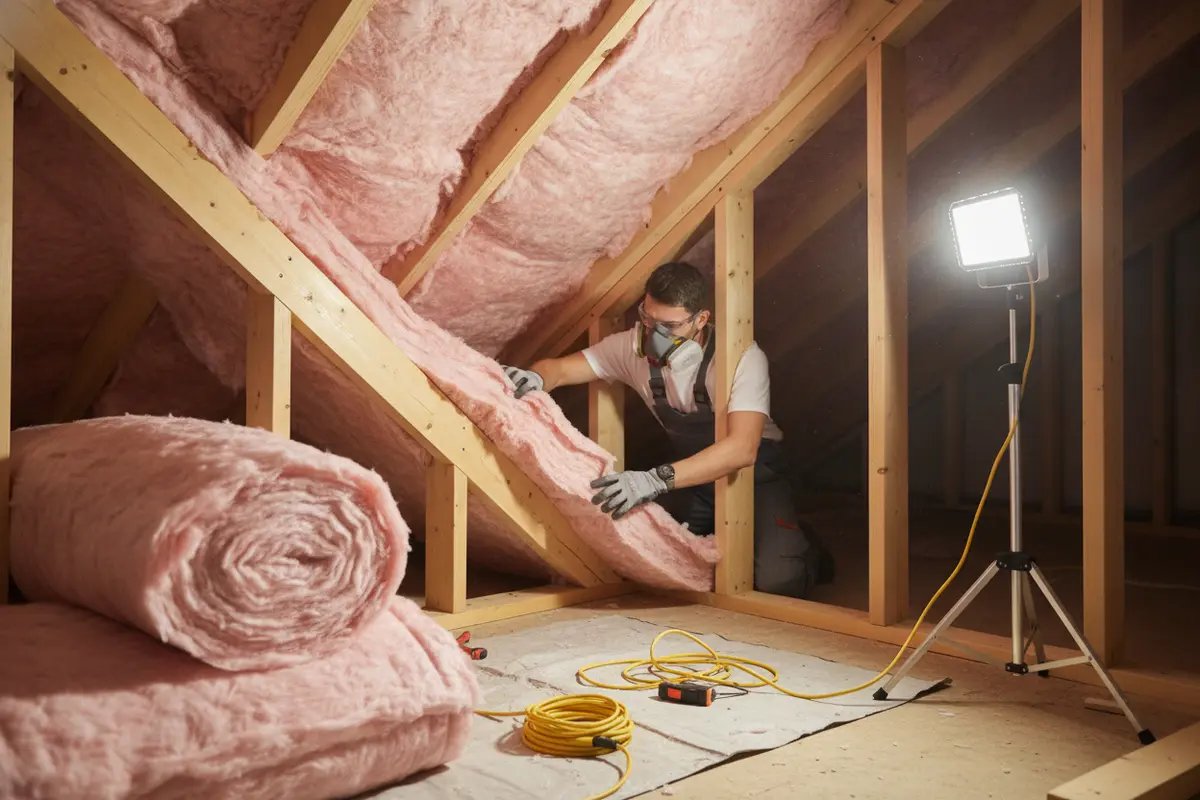
Bay Care recommends comparing the written scope before comparing totals. A useful quote states the areas to be insulated, the proposed material and method, what happens to existing insulation, whether air sealing is included, and what preparation or cleanup is part of the work. Clear details make it easier to spot differences that a headline price does not show.
- Confirm the work area. Make sure every quote covers the same attic sections and identifies any area that will be excluded.
- Check the preparation. Ask how stored items, access paths, and the living space below will be protected. Clarify whether moving belongings is your responsibility.
- Understand the existing material plan. The contractor should explain whether it will remain, be moved, or be removed, and why.
- Separate insulation from related work. Ask whether air sealing, moisture investigation, ventilation changes, or repairs are included, optional, or outside the quote.
- Request the product and installation details. The proposal should identify what is being installed and how the finished coverage will be checked.
- Ask what is excluded. A clear list of exclusions can prevent surprises if another repair or trade is needed.
Be cautious about a promise of guaranteed energy-bill savings or a one-size-fits-all recommendation. A home’s energy use depends on more than attic insulation, including equipment, air leakage, occupant habits, and weather. Ask the contractor to describe the expected improvement in terms of the proposed work rather than guaranteeing a specific monthly bill reduction.
If a quote is much lower or higher than another, request an explanation of the difference. It could reflect a different material, project area, removal scope, access challenge, or omitted related work. You do not need to select the lowest number if it does not address the same need. A detailed comparison reduces the chance of paying for work you did not expect or leaving a key task out.
Could rebates or an energy audit affect your project plan?
Bay Care can help eligible Maryland Delmarva Power customers understand whether a broader home-performance project may connect with available rebate programs. Program rules, qualifying work, and availability can change, so do not subtract a potential incentive from an insulation estimate until eligibility and current terms are confirmed.
Before scheduling work, ask which program requirements apply to your address and proposed scope. Confirm whether an audit, specific documentation, approved measures, or a particular sequence is required. A contractor’s estimate should not be treated as confirmation that a rebate will be awarded. Review the current program information and keep copies of estimates, invoices, and required records.
Bay Care participates in Delmarva Power rebate programs that may offer up to $15,000 for eligible Maryland customers, depending on program requirements and measures. The amount is not a guaranteed attic-insulation discount. You can review current details on Bay Care’s rebates page and verify applicable terms before making a project decision.
An energy audit may also help prioritize work when several issues are present. It can provide a broader view of insulation, air leakage, and other home-performance opportunities. The U.S. Environmental Protection Agency’s ENERGY STAR guidance on attic air sealing notes potential energy savings from air sealing; that general estimate is not a promise of savings for a particular home or an attic insulation quote. Treat program guidance as context, then base the scope on your home’s assessment.
When should you get an attic insulation estimate?
Bay Care suggests getting an attic-specific estimate when comfort concerns persist, insulation appears uneven or damaged, or you are planning other home improvements that could affect the attic. The right time is before you commit to a scope, especially if you need to coordinate air sealing, moisture work, or a rebate-related requirement.
Before the visit, make a short list of your concerns and any work already completed. If you can safely see the attic entrance, note access limitations and whether belongings need to be moved. Do not climb into an unsafe or unfamiliar attic to gather details. Photos from a safe location can be useful, but leave inspection of difficult areas to a qualified professional.
During the review, ask the contractor to explain what was observed, what is recommended, and what remains uncertain. A useful estimate should help you understand why the work is proposed, what the price includes, and what conditions could change the scope. If the proposal includes more than insulation, ask for each part to be identified separately where possible.
Once you have the written scope, compare it with your priorities. You may decide to complete insulation alone, address air leakage at the same time, or seek a broader home assessment first. There is no need to assume every improvement must happen in one project. A clear sequence can help you plan work and budget responsibly without treating an uncertain price range as a promise.
Request an attic insulation consultation with Bay Care
Frequently Asked Questions
Can a contractor quote attic insulation from square footage alone?
Square footage can help estimate material needs, but it does not show existing insulation condition, access limits, air leakage, or moisture concerns. Use it as preliminary information, then ask for an attic-specific written scope before comparing prices.
Is adding new insulation over old insulation always acceptable?
No. It depends on the existing material’s condition and placement. A contractor should explain whether it can remain or whether damage, moisture, contamination, or installation problems require another approach.
Should air sealing be included in the insulation estimate?
Ask whether air sealing is recommended and whether it is included, separately priced, or outside the scope. Insulation and air sealing are different measures, and a quote should identify which openings and tasks it covers.
Will attic insulation lower my energy bills by a specific amount?
No contractor can responsibly promise a specific bill reduction for every home. Energy use depends on multiple factors. Ask what the proposed work is expected to address and treat general program savings information as context, not a personal guarantee.
Can Delmarva Power rebates pay for attic insulation?
Eligible Maryland Delmarva Power customers may qualify for rebates for certain approved measures, subject to current program rules. Confirm eligibility, required steps, and documentation directly before assuming an incentive applies to your project.
The best attic insulation estimate explains the work, the reason for it, and what is not included. With that information, Maryland and Delaware homeowners can compare proposals on more than price and choose a scope that fits the home’s actual conditions.