Planning HVAC replacement cost means looking beyond the price of a new furnace, heat pump, or air conditioner. The equipment is only one part of the project. Installation conditions, ductwork, insulation, electrical needs, comfort goals, and possible incentives can all affect what belongs in a complete proposal. For Delmarva homeowners, a useful estimate should explain both the system and the home it will serve.
Talk with Bay Care about your replacement plans
There is no single reliable price that fits every home. A smaller project replacing compatible equipment is different from a project that changes fuel type, corrects airflow problems, or requires work around the home. The best way to compare options is to ask what is included, what assumptions were made, and what could change the final scope.
What does HVAC replacement cost include?
Bay Care approaches HVAC replacement as a whole-home decision, not just an equipment purchase. A complete project estimate should identify the proposed heating and cooling equipment, labor, materials, startup and testing, and any work needed to connect the system to the home. It should also make clear which related improvements are included, optional, or outside the quoted scope.
When reviewing an estimate, separate the project into categories. This makes it easier to spot missing details and compare competing proposals without assuming that two different systems or scopes are equivalent.
- Equipment: Brand and model, system type, capacity, efficiency information, included accessories, and warranty terms.
- Installation labor and materials: Removal and disposal of old equipment, setting and connecting the new system, refrigerant or fuel connections as applicable, and required installation materials.
- System commissioning: Startup, checks, and confirmation that the installed system operates as intended. Ask what testing and documentation are included.
- Home-specific work: Duct modifications, electrical or condensate work, air distribution changes, or other items identified during the assessment.
- Project terms: Schedule assumptions, payment milestones, permit responsibilities where applicable, warranty coverage, and exclusions.
A proposal that lists only a model and a bottom-line figure leaves important questions unanswered. Ask the contractor to explain what is being replaced and what will remain. If a part of the existing system is excluded, confirm how that component will connect to the new equipment.
Which home and installation details can change the estimate?
Bay Care considers airflow, insulation, air sealing, ventilation, and the existing HVAC system together because those factors influence comfort and equipment needs. The condition of the home can change the work required for a replacement. A site review should identify visible constraints and explain whether the proposal assumes any duct, electrical, access, or building-envelope work.
Two houses with similar floor areas can still need different solutions. Room layout, insulation, window exposure, duct design, equipment location, and the homeowner’s comfort priorities all matter. Avoid treating square footage alone as a complete sizing method. Ask how the contractor evaluated the home and how that evaluation informs the equipment selection.
- Existing duct system: Leaks, restrictions, poor balancing, damaged sections, or ducts in unconditioned spaces may affect delivery and comfort. Ask whether inspection or testing identified a duct concern and whether correction is included.
- Insulation and air leakage: Attic insulation and air sealing can affect how quickly a home gains or loses heat. If one room is consistently uncomfortable, ask whether the cause may involve the building envelope rather than equipment alone.
- Equipment access: Tight attic, crawlspace, closet, or outdoor locations can change the practical steps needed to remove and install equipment.
- Electrical, drainage, or venting conditions: Existing connections may or may not suit the selected system. Request a clear explanation of any updates required for the planned installation.
- Coastal exposure: Salt air can be a consideration for outdoor equipment near the coast. Ask what equipment protection and maintenance choices are appropriate for the specific site.
These are not automatic add-ons. They are points to assess and document. An estimate should distinguish an observed need from an optional recommendation. If the contractor identifies a comfort problem, ask what evidence points to its cause and what work is intended to address it.
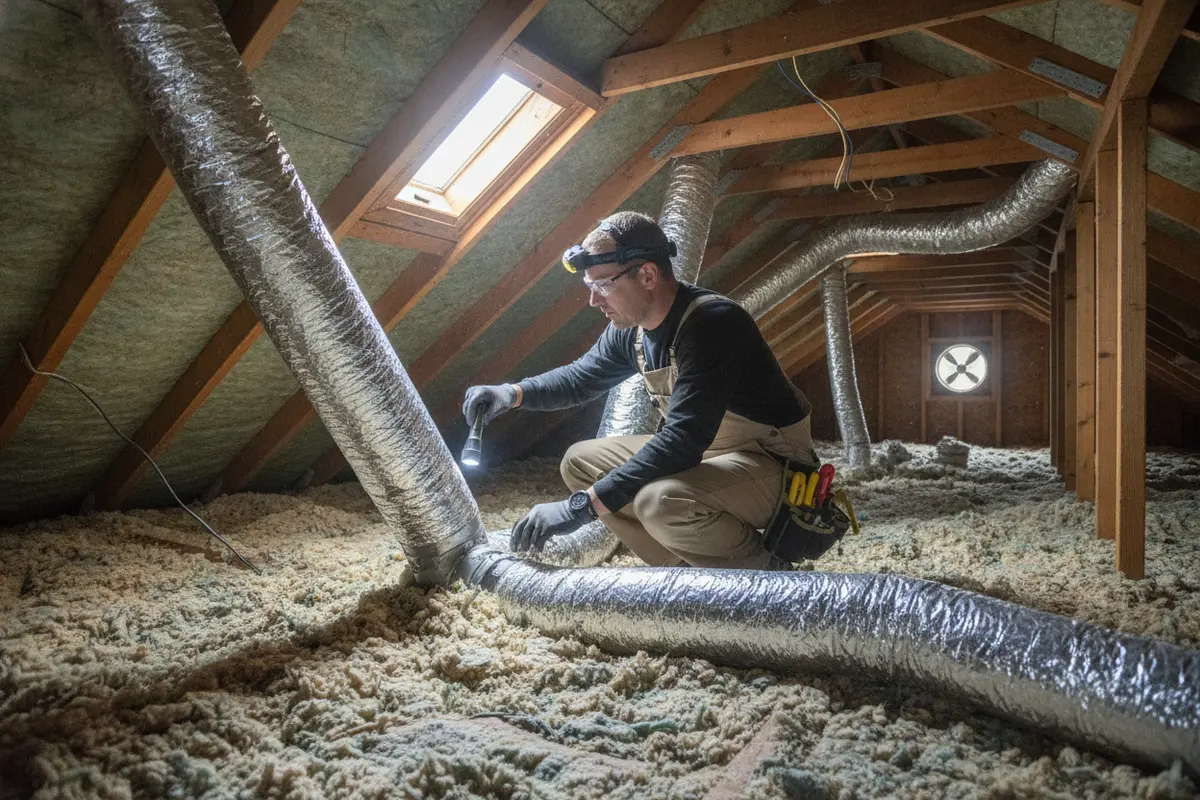
Bay Care offers home energy audits and attic insulation services as part of its broader home-performance work. Those services may be relevant when the home has persistent comfort or efficiency concerns, but an audit or insulation project should be evaluated on its own scope and goals. Do not assume every replacement needs these upgrades.
How should you compare system options?
Bay Care can help homeowners compare equipment options in the context of the home, rather than choosing from a label or a single efficiency number. A useful comparison explains what each system is designed to do, what changes installation requires, and which features matter for the homeowner’s comfort priorities and budget.
Ask for proposals that make the options easy to compare. The table below is a checklist for the conversation, not a claim that one system fits every house.
| Comparison point | What to ask | Why it matters |
|---|---|---|
| System type | Is the proposal for a heat pump, furnace with air conditioning, or another configuration? | Different configurations provide heating and cooling in different ways and may require different connections. |
| Capacity and selection | How was the proposed capacity selected for this home? | The explanation helps you understand whether the recommendation reflects the home rather than a simple equipment swap. |
| Efficiency and features | What efficiency information and comfort features are included for each model? | It helps distinguish upfront project scope from expected operating considerations. |
| Installation scope | What removal, connection, duct, electrical, drainage, or other work is included? | Two totals are not directly comparable if one proposal leaves out necessary work. |
| Warranty and service | What manufacturer and labor coverage applies, and what conditions should I understand? | Coverage terms vary; written details make responsibilities clear. |
| Incentives and payment | Are any current rebates or financing options potentially relevant, and what eligibility rules apply? | Program terms and buyer qualifications can affect the project’s net cost, not the quoted installation scope. |
For example, one estimate may include duct adjustments and a control upgrade while another prices only the equipment and basic connection. The second total may look lower, but it is not an apples-to-apples comparison. Ask each contractor to state the same assumptions and list any exclusions, then compare the final scope alongside the total.
What should an HVAC replacement proposal spell out?
Bay Care recommends asking for a written proposal with enough detail to understand the system, installation, and terms before making a decision. A clear document protects both sides from misunderstandings about what the price covers. It also gives you a practical way to compare options or revisit the recommendation later.
- Equipment identification. Record the system type, make and model, capacity, efficiency details, and any included controls or accessories.
- Work description. Confirm which existing components will be removed, which will remain, and what installation tasks are included.
- Site findings. Ask what the contractor observed about airflow, ductwork, insulation, access, or other conditions that informed the recommendation.
- Included and excluded items. Request a list of work not included, any assumptions, and how additional work would be discussed if conditions differ once work begins.
- Project logistics. Clarify the expected sequence, access needs, approximate scheduling process, cleanup, and who handles applicable permit steps.
- Warranty and follow-up. Get applicable coverage details in writing and ask what documentation you will receive after installation.
- Payment and incentives. Make sure any financing or rebate is presented separately from the installation price, with qualifications and timing explained.
Be cautious of vague promises such as “everything included” without a list of what that means. Likewise, do not assume that a proposal includes duct sealing, insulation, electrical work, or a thermostat simply because the project replaces HVAC equipment. If those items matter, have them named in writing.

How do rebates and financing fit into replacement planning?
Bay Care participates in the Delmarva Power rebate program, and eligible Maryland customers may be able to explore program incentives for qualifying improvements. Rebate amounts, covered measures, application steps, and eligibility can change. Treat a potential incentive as a separate planning item until you confirm current program rules and your eligibility.
Ask these questions before counting a rebate toward the amount you expect to pay:
- Is the property and customer eligible under the current program?
- Does the proposed equipment or other work meet the present requirements?
- Must an energy audit or other step happen before installation?
- Who submits the paperwork, and what records should you keep?
- When is the rebate paid, and should you plan to pay the full project amount first?
You can review Bay Care’s rebate information and ask the company to help clarify which questions apply. The public program administrator’s current terms should govern; do not rely on an old promotion or assume every household qualifies. For financing, request the lender’s written terms, including the payment schedule, interest, fees, and qualification conditions. Bay Care lists 0% APR for 60 months on Bryant systems for qualified buyers; confirm current availability and all terms before deciding.
Keep the project price, estimated incentive, and financing details in separate columns in your notes. A rebate is not necessarily an instant discount at the time of installation, and financing affects how you pay rather than what work the contractor performs. This distinction helps avoid comparing a net estimate from one provider with a full-scope price from another.
How can you plan a replacement without overlooking comfort problems?
Bay Care’s whole-home approach connects equipment choices with airflow, insulation, air sealing, ventilation, and indoor air quality. Before selecting a replacement, write down the rooms that feel too hot or cold, unusual humidity concerns, noise, drafts, and any recurring system behavior. Share those observations during the assessment so the recommendation can address the problem you actually want solved.
A replacement may be the right time to discuss a broader concern, but it does not mean every upgrade should be bundled into one project. Ask the contractor to separate essential installation work from optional improvements. For instance, a homeowner may want to know whether duct sealing, a duct sealing assessment, or an indoor air quality solution is relevant. Get the reason, scope, and expected purpose of each recommendation in plain language.
Where comfort varies from room to room, ask whether the cause appears to be equipment operation, distribution, insulation, air leakage, or another factor. A proposal should not promise a particular energy-bill reduction unless it can support that claim with appropriate assumptions. Focus first on what the system is designed to do and how the work addresses the home’s documented needs.
For background on general home energy topics, the U.S. Department of Energy is a starting point for consumer information. Use it as general education, then ask a qualified professional to assess the conditions and equipment in your own home.
What steps make HVAC replacement estimates easier to compare?
Bay Care encourages homeowners to compare written scope, system fit, and terms, not just the largest or smallest number on the page. A simple, consistent process helps you identify meaningful differences and decide what follow-up questions to ask before approving work.
- Collect the same information. Share your comfort concerns, existing equipment details, and project priorities with each contractor.
- Ask how the system was selected. Request an explanation of the assessment and the reasons for the proposed configuration and capacity.
- Line up the scopes. Compare equipment, removal, installation, testing, related work, exclusions, and warranty details side by side.
- Separate optional work. Ask which recommendations address a documented issue and which are additional choices you can consider separately.
- Verify program terms. Check rebate and financing details directly against current written requirements instead of relying on an assumed incentive.
- Resolve unclear items. Get answers and any changes to the proposal in writing before you authorize the project.
If a quote is significantly different from another, ask why. The reason could be the equipment, scope, installation assumptions, or a home condition, not necessarily a mistake. A careful explanation is more useful than choosing based on a number that excludes work you need.
When should you discuss replacement cost with a contractor?
Bay Care can help Delmarva homeowners talk through replacement options when existing equipment is unreliable, comfort is uneven, or a planned renovation changes the home’s needs. You do not need to know the exact system you want before starting. Bring your concerns, questions, and any equipment information you have, and ask for a clear explanation of the next steps.
For help comparing a replacement with repair, you can review Bay Care’s new installation information and heating installation options. If the project involves cooling equipment, see the company’s AC installation service. These pages describe service areas; your home still needs an individual assessment before a specific scope or cost can be determined.
Bay Care serves residential customers across Maryland and Delaware on the Delmarva Peninsula. Homeowners in Salisbury, Fruitland, Delmar, Laurel, Berlin, Easton, Ocean View, Rehoboth Beach, and other nearby communities can check the service area information or contact Bay Care to discuss a project. The company also handles commercial HVAC services, though commercial replacement planning involves building-specific requirements beyond this homeowner guide.
Request a conversation about HVAC replacement
Frequently asked questions about HVAC replacement cost
Bay Care can help homeowners make sense of the components behind a replacement estimate, but the right scope depends on the home and the selected system. These answers explain what to clarify before comparing proposals or deciding how to proceed.
Can I get an accurate HVAC replacement cost from square footage alone?
No. Square footage can be one piece of context, but equipment selection also depends on the home, its layout and envelope, existing distribution, and the intended system. Ask the contractor to explain the assessment and the reasoning behind the proposed equipment.
Should I choose the lowest replacement estimate?
Not until you compare what each estimate includes. Check equipment details, removal, installation tasks, testing, related work, exclusions, and warranty terms. A lower total may reflect a narrower scope. Ask for clarification when proposals differ.
Does replacing HVAC equipment automatically fix uneven temperatures?
Not always. Uneven temperatures can involve airflow, ductwork, insulation, air leakage, equipment operation, or other conditions. Describe the problem and ask what evidence supports the proposed fix. A replacement estimate should explain whether related work is included or separate.
Are Delmarva Power rebates guaranteed for every replacement?
No. Program participation, eligibility, qualifying equipment, and application requirements can change. Confirm current requirements for your household and project before treating an incentive as part of your expected budget.
What should I bring to a replacement consultation?
Bring your comfort concerns, any available equipment make and model information, recent repair history, and questions about schedule, system choices, incentives, or financing. A list of rooms with comfort issues can help focus the conversation.
Clear planning starts with a written scope and an assessment of the home, not a one-size-fits-all price. Compare the equipment, installation details, related recommendations, and terms so you can choose a replacement plan that fits your home and priorities.