
Salt air corrosion, heavy humidity, and a system failure during an Eastern Shore heatwave can turn a small HVAC problem into an expensive emergency. This HVAC service and replacement guide for Eastern Shore Maryland homeowners explains when to maintain, repair, or replace equipment before comfort disappears.
Eastern Shore homeowners should schedule professional HVAC maintenance twice a year, address unusual noises or weak airflow promptly, and compare repair cost, system age, efficiency, and whole-home performance before replacing equipment. Coastal homes also need regular outdoor-unit cleaning and corrosion protection because salt air can shorten equipment life.
Finding the right balance between comfort and cost starts with your specific local environment. You need a system that can handle shifting seasons, coastal air, and high humidity. First, it helps to understand what makes Eastern Shore HVAC needs different.
What makes this HVAC service and replacement guide different?
Eastern Shore HVAC systems work through hot, humid summers, winter cold snaps, and salt-laden coastal air. Good service plans account for corrosion, moisture control, airflow, insulation, and equipment efficiency together instead of treating the outdoor unit as an isolated appliance.
Homeowners on the Eastern Shore face a unique set of climate needs. High summer heat and thick humidity put a lot of stress on cooling units. In the winter, quick shifts can bring sharp cold snaps that test your heat. Because heating and cooling are some of the largest energy costs in any home, having a unit that can handle these shifts is key to staying cozy.
Coastal air and salt spray
Living near the water means your outdoor unit deals with salt air every day. Salt is very hard on metal parts and can lead to rust and damage much faster than in inland spots. Without the right care, coastal air can shorten the life of your unit by years. We offer specialized coastal HVAC corrosion protection to help your unit last longer in these tough areas. Protecting your coils from salt is one of the best ways to avoid an early buy.
The whole-home approach
Feeling good is about more than just your AC unit. It is about how your whole house works as one. Good attic insulation, air sealing, and ductwork are just as vital as the size of your heater or air unit. We use a whole-home plan to make sure every part of your house helps keep you cozy. When your attic has enough insulation and your ducts are sealed, your HVAC unit does not have to work as hard to do its job. This helps save money on your monthly bills and keeps your home at a steady feel.
Humidity and indoor air quality
The Eastern Shore is known for its damp air, especially in the late summer months. High humidity can make your home feel sticky and lead to mold growth if it is not kept in check. A good HVAC unit does more than just cool the air; it also takes out moisture. According to the EPA, adequate ventilation and filtration are vital for keeping good indoor air quality. If your unit is too big for your home, it may cool the air too fast without taking out enough dampness. Proper sizing ensures your home stays dry and the air stays clean for your family.
How should you maintain your HVAC system each season?
Schedule professional HVAC maintenance in spring before cooling season and again in fall before heating season. Between visits, replace filters, keep outdoor equipment clear, watch for corrosion, and confirm that vents remain open and unobstructed.
Keeping your home comfy in Maryland takes a smart plan. Your heating and cooling units are big energy users. In fact, space heating and cooling are the largest energy costs for most homes. Proper regular HVAC maintenance helps you keep these costs low. It also ensures you have clean indoor air through good filtration and airflow.
Check your system twice a year
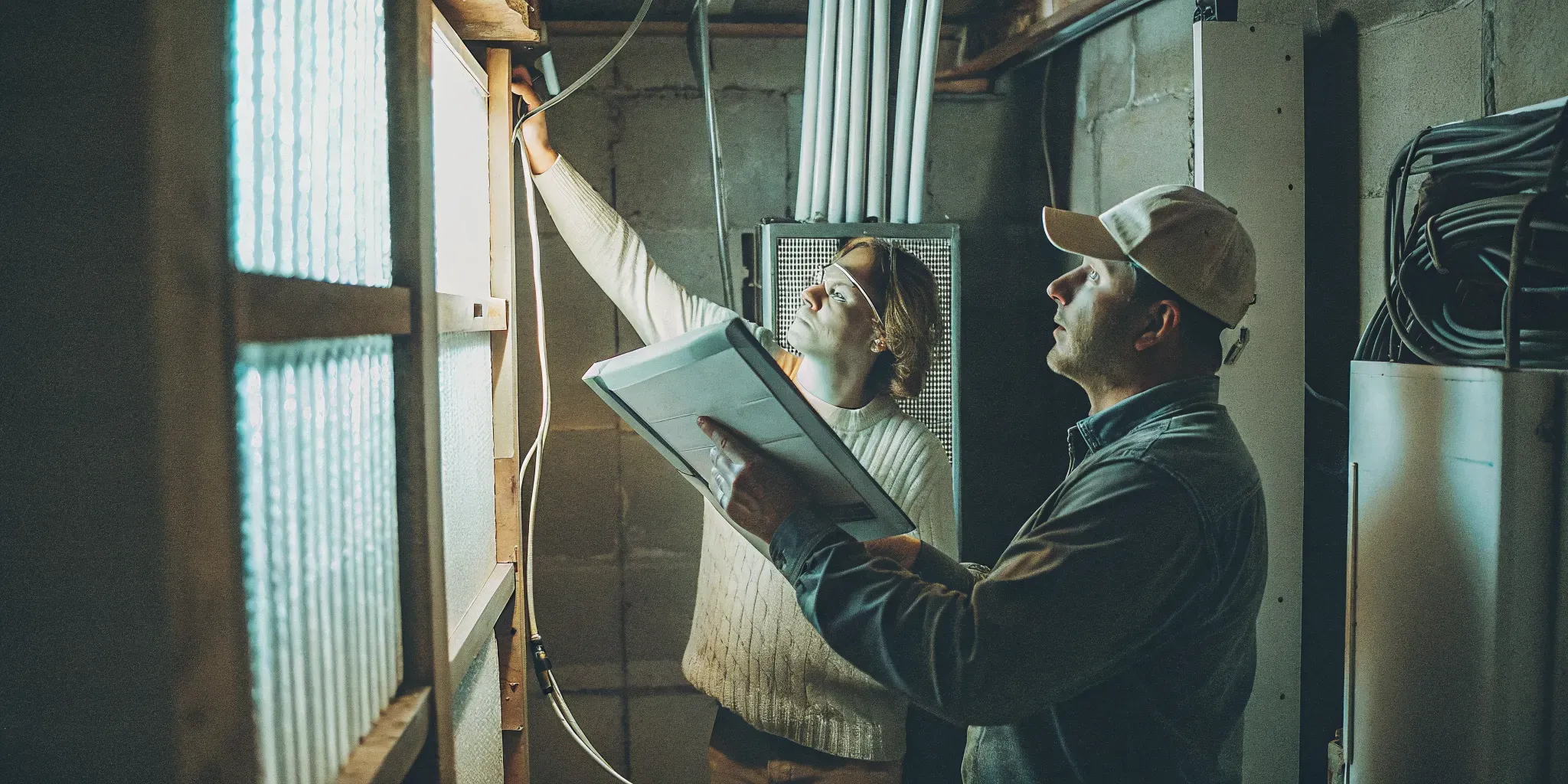
You should book a pro visit twice every year. Plan your first visit in the spring before the heat hits. This tune-up gets your air unit ready for hot humid days. Plan your second visit in the fall before the first frost. This check ensures your furnace or heat pump is safe and ready to keep you warm.
Care for your coastal units
Living near the water on the Eastern Shore brings unique risks. Salt air can eat away at metal parts and cause rust. This damage makes your system work harder and fail sooner. Owners should look for coastal HVAC corrosion protection to stop this salt damage. Regular cleaning of outdoor coils is vital for any home near the beach or bay.
Follow this seasonal checklist
A good plan keeps your system running well for a long time. You can do some tasks on your own to help your system. Other jobs need a pro with the right tools and training. Use these steps to stay on track all year long.
- Change your air filters often. Check your filters every month. Swap them for new ones if they look dirty. Clean filters help you get the best energy savings and keep your air fresh.
- Clear the outdoor unit. Go outside and look at your AC or heat pump. Remove leaves, grass, and dirt from the sides. Keep plants at least two feet away to ensure good airflow.
- Test your thermostat. Check your settings as the seasons change. Make sure the heat or cool mode kicks on when it should. This simple test helps you find small issues before they become big repairs.
- Inspect the drain lines. Look at the plastic pipe that carries water away from your indoor unit. Make sure water flows out and does not back up. Clogged lines can cause leaks and water damage in your home.
- Book a pro tune-up. Have a NATE-certified expert check your refrigerant levels and electrical parts. A pro can find worn belts or loose wires that you might miss. This visit helps you avoid the signs you need professional HVAC repair in the middle of a storm.
When does your HVAC system need repair?
Call for HVAC repair when you notice weak airflow, unusual noises, unpleasant odors, leaks, short cycling, uneven temperatures, or an unexplained energy-bill increase. Prompt diagnosis can keep a worn part from causing a larger breakdown.
Knowing when to call for help can save you from a total system breakdown. Most units show clear signs of trouble before they stop working. You should watch for odd sounds, bad smells, or weak airflow. These small issues often point to bigger problems that need professional care.
Common signs of system trouble
If your unit makes a loud banging or squealing sound, it likely has a loose or broken part. A musty smell might mean mold is growing in your ducts. You should also check for common AC repair and troubleshooting signs like warm air blowing from your vents when the cooling is on. This often means your unit is low on refrigerant or has a bad compressor.
High energy bills are another red flag. When parts get old or dirty, the system must work harder to cool your home. This extra work uses more power and raises your monthly costs. If your bill jumps for no clear reason, you likely need a pro to check your system. Professional signs you need professional HVAC repair often include leaks around the unit or frequent cycling on and off.
When to repair or replace
Deciding between a fix and a new unit depends on the age of your system. Most HVAC units last about 15 to 20 years. If your unit is over 10 years old and needs a big fix, a new one might be better. A new system can help you save money on energy. Space heating and cooling are the largest energy costs in most homes, so efficiency is key to lowering your bills.
You should also think about the cost of the fix. If the repair costs half as much as a new unit, you should likely replace it. This is true for units that break down often. A full system replacement in Maryland can cost between $8,000 and $17,000, according to HVAC project cost data for the state. While this is a big cost, a new unit can cut your power use and offer better comfort.
The role of regular care
The best way to avoid big repairs is with regular HVAC maintenance to keep parts clean and working well. Our heating service in Salisbury includes full checks to find small leaks or worn belts before they cause a crash. Keeping your system clean also helps maintain good indoor air quality through proper filtration.
For those living near the coast, maintenance for coastal HVAC systems is even more vital. Salt air can cause fast metal rust and damage your unit in just a few years. We offer special coatings to stop this rust. This care helps your system last longer and run better in our salty Eastern Shore air.
Repair or replace: how do you make the right call?
Repair is usually sensible for a younger, reliable system with a minor isolated fault. Replacement becomes more practical when equipment is older, repairs repeat, comfort stays uneven, energy use rises, or corrosion and major component damage make future reliability uncertain.
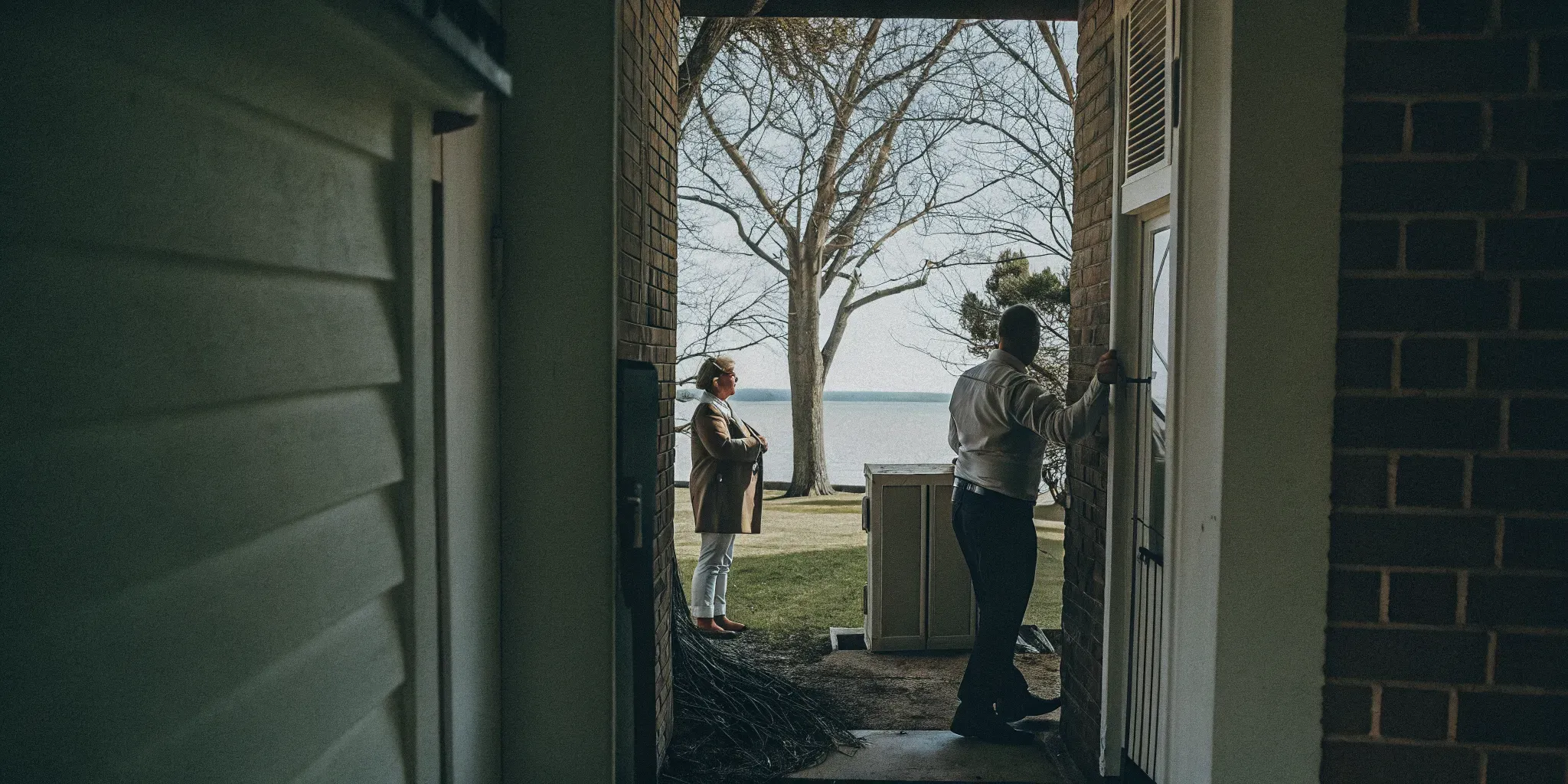
Choosing between a quick fix and a new system is a big task for people on the Eastern Shore. You want to save money but you also need to stay cool in the humid Maryland heat. For most folks, the choice comes down to the age of the unit and the price of the fix. It is helpful to look at the full cost of owning the system over many years before you pick a path.
Our team at Bay-Care Heating & Air looks at your home as a whole system. We check your airflow, attic insulation, and air sealing to see how they affect your HVAC unit. Sometimes a poor unit is just working too hard because of a leak in the duct or a lack of attic fill. We want to help you find the best way to get long-term comfort and lower bills.
Signs that repair is the better choice
If your unit is less than ten years old, a repair is often the best path. Most units still have many years of life left at this stage. You might just need a small fix like a new part or a clean coil. These signs you need professional HVAC repair can help you spot small issues before they turn into big breaks.
Small repairs are a good deal if they keep your home cool for a few more years. We offer a $69 diagnostic check to find the root cause of any noise or odd smells. If the fix costs less than half the price of a new unit, it usually makes sense to keep what you have. This is true if your energy bills have stayed about the same over the last year.
Regular care is the best way to avoid a full swap too soon. A clean system does not have to work as hard to move air through your home. This keeps the parts from wearing out too fast. If your unit still uses modern coolant and keeps every room at the right heat, a fix is likely all you need for now.
When a new system makes more sense
Once your HVAC system hits the 15-year mark, you may need to think about a swap. Older units often break down more and cost more to run each month. Heating and cooling are among the largest energy expenses in a home. Moving to a new, high-efficiency unit can lower your monthly bills and give you better air. Modern units also do a better job of pulling damp air out of your home during the sticky Maryland summer.
A full system swap for a Maryland home often costs between $8,000 and $17,000 for a new AC and furnace. While this is a large cost up front, new Bryant systems offer much better comfort. You may also get 0% APR for 60 months or utility rebates up to $15,000 to help with the price. These savings can make a new system much easier to buy for local families.
If your unit still uses R-22 coolant, a swap is often the only smart choice. That old coolant is very hard to find and costs a lot of money to buy now. It is better to put that money toward a new unit that uses safer and cheaper parts. A new system will also come with a long warranty to give you peace of mind for the next decade.
| Factor to Check | Repair the System | Replace the System |
|---|---|---|
| Age of the Unit | Under 10 years old | Over 15 years old |
| Cost of the Fix | Less than 50% of unit value | More than 50% of unit value |
| Monthly Energy Bills | Low and stable | Rising every month |
| Comfort Levels | Good airflow in all rooms | Hot or cold spots in the house |
| Type of Coolant | Modern R-410A or R-32 | Old R-22 (Freon) |
The choice to swap a unit also depends on where you live. Homeowners near the coast deal with salt air that can rust a unit fast. We offer maintenance for coastal HVAC systems to help them last. If your coils are too rusty to fix, a new unit with a guard coat is the best way to protect your money. We can help you look at all these facts to make a choice that fits your budget and your home.
How do you choose the right replacement system?
Choose replacement equipment through a professional load calculation, not by copying the old unit’s size. Compare system type, efficiency, humidity control, duct condition, available rebates, and the installer’s commissioning process before deciding.
Picking a new unit for your home is a big choice. You want a system that keeps you at ease and saves money. On the Delmarva Peninsula, our weather changes a lot. We have hot, humid summers and cold winters.
This means you need a system that can handle both extremes. Most Maryland homeowners spend between $5,000 and $13,500 for a full HVAC replacement. The final cost depends on the type of unit you pick and the size of your home.
You should also think about how long you plan to stay in your home. A high-end system costs more now but saves more on bills later. Our team helps you look at the total cost over the life of the unit. We want you to feel good about your choice for years to come.
Pick the best size for your space
The first step is to find the right size for your home. If a unit is too small, it will run all the time and wear out fast. If it is too big, it will turn on and off too much. This makes your bills go up and leaves your home humid.
Experts use a load check to find the perfect match. This looks at your home’s square feet, windows, and insulation. It also looks at which way your house faces and how many people live there. Getting the size right is the best way to save energy.
At Bay-Care, we use a whole home strategy to help you choose. We look at more than just the metal box outside. We check your attic insulation and air sealing too. This helps your new unit work its best and last longer.
Most people need regular upkeep to keep things running well after the new unit is in. A well-sized system stays quiet and keeps the air moving just right. This is why we never skip the math when we plan your job.
Choose between heat pumps and furnaces
You have a few choices for how to heat and cool your home. Heat pumps are very popular on the Eastern Shore. They use power to move heat into or out of your house. They work great in our climate.
A new heat pump often costs between $6,500 and $14,500. Gas furnaces are another choice. They use fuel to make heat. A new furnace usually costs between $3,500 and $8,000. Some homes use a hybrid system that has both a furnace and a heat pump.
Heating and cooling are some of the largest energy expenses in any home. Picking a high-efficiency model can save you a lot of money over time. Some systems qualify for big savings. Our staff can show you which models save the most.
Eligible Maryland Delmarva Power customers can get rebates up to $15,000. We also offer 0% interest for 60 months on Bryant systems for those who qualify. This makes it easier to get the best system for your budget. You can get the comfort you need without a big stress on your wallet.
Focus on local home needs
Living near the coast brings special challenges for HVAC units. Salt air can eat away at the metal parts of your system. This can lead to leaks and early failure. We suggest coastal HVAC corrosion protection for any home near the water.
This special coating helps your unit stand up to the salt and wind. It is a smart way to protect your money. Without this protection, a unit near the ocean might only last half as long as one inland. It is a small cost for a lot of peace of mind.
Your ducts also play a huge role in how well your new system works. Old, leaky ducts can waste a lot of energy. Repairing ducts often costs between $500 and $3,000. If your ducts are in bad shape, it might add $1,500 to $5,000 to your total job.
Good ducts also help with indoor air quality. A clean system with good filters keeps your air fresh and healthy. This is a key part of staying comfortable all year long. We check your whole duct system during every replacement to make sure it is ready.
You may also want to add extra features to your new system. Whole-home air cleaners can remove dust and pollen from the air. Humidifiers can keep the air from getting too dry in the winter. These additions make your home a better place to live. Our crew can show you all the choices that fit your needs.
What should you expect from a qualified HVAC contractor?
A qualified HVAC contractor should inspect the home, calculate heating and cooling loads, explain options in writing, verify licenses and training, and test the completed installation. On the Eastern Shore, the contractor should also understand humidity and coastal corrosion.
Picking the right team is one of the most important steps in any home project. On the Delmarva Peninsula, you need a partner who knows our local air. A good tech does more than just swap parts. They look at your whole home to make sure your air flows well. When you search for an HVAC service and replacement guide for Eastern Shore Maryland homeowners, look for these signs of a pro. Choosing the wrong group can lead to years of high bills and poor comfort.
Expert training and proper licenses
Your tech should have clear proof of their skills. Look for a team with NATE-certified techs. This shows they passed hard tests on heating and cooling. Also, check if they are a Bryant Factory Authorized Dealer. This rank shows they have deep ties to the brand and get special training. A pro should always show you their state license and proof of insurance before they start. Our team brings more than 50 years of shared work to every job we do.
Safety is a big deal for your vents and pipes. Expert techs follow state rules to keep your family safe. These state codes set rules for energy use and pipe sealing. A good team will pull the right permits for the job. This means a city expert will check the work to meet all safety laws. Never let a group work on your home if they try to skip the permit process.
Home measuring and system planning
Do not trust a pro who gives a price over the phone without seeing your house. Every home is different. A qualified team must measure your home to find the right size for your new unit. They look at your windows, walls, and how well your attic is sealed. This check helps them pick a system that fits your needs. If a unit is too big, it will turn on and off too fast. This wastes power and wears out the parts sooner than they should.
A “whole-home” view is the best way to plan. This means checking your ductwork for leaks or dust. Bad ducts can add up to $5,000 to the total cost of a project. A pro will tell you if you need to fix your pipes to get the best results. This plan helps you find the signs you need professional HVAC repair before small issues turn into big breaks. In our coastal towns, they should also look for salt-air rust on your outside units.
Detailed quotes and final testing
You should get a full list of your choices in writing. A clear quote will show the total price and what is included. It should list the new unit, the work hours, and any extra parts like a new pad or wires. A pro will also explain your choices for rebates. For example, some Maryland homes can get up to $15,000 back through local power programs. They should also talk about 0% financing for 60 months to help with the cost for qualified buyers.
Once the unit is in, the work is not done. A pro will run a final set of tests. This step is a vital part of the job. They check the gas pressure, the air flow, and the power use. They should also show you how to use your new thermostat. A good team stays in touch to offer regular HVAC maintenance to keep your system running for years. Expect a follow-up call to make sure you are happy with the new air in your home.
Why HVAC comfort depends on the whole home
HVAC equipment cannot deliver its rated comfort or efficiency when leaky ducts, thin insulation, air leaks, poor ventilation, or excess moisture work against it. A whole-home evaluation finds those problems so the system and the building can work together.
Many homeowners think a new AC or furnace will solve all their comfort problems. But a big system alone is not enough if your home has air leaks or thin insulation. A full HVAC service and replacement guide for Eastern Shore Maryland homeowners must look at the whole house. At Bay-Care Heating & Air, we use a “Whole Home” plan to help your equipment work its best. We want your home to be a place where you can relax without hot spots or drafts.
Our team sees your house as one big system. Each part, from the attic to the crawl space, affects how well your heater or cooler runs. If one part is weak, the whole system suffers. This often leads to higher bills and more wear on your unit. By fixing the house first, we help you get the most out of your new HVAC gear.
Stop air leaks with sealing and insulation
Your home acts like a shell. If that shell has holes, your nice cool air escapes into the attic or outside. Air sealing finds these gaps and plugs them with foam or caulk. This keeps the air you pay to cool inside where you can enjoy it. Many gaps hide around light fixtures, pipes, and vents. These small leaks can add up to the size of a window left open all year.
Proper attic insulation also plays a huge role in your comfort. It blocks heat from coming in through the roof during our hot Maryland summers. In the winter, it keeps the warmth from rising out of your rooms. When you fix these issues, your HVAC system does not have to work as hard. This can lead to lower energy bills and a longer life for your unit.
The role of ductwork in home comfort
Your ducts are the lungs of your home. They carry air from your unit to every room. If your ducts are old or have holes, you might lose up to 30 percent of your conditioned air. This waste makes your home feel uneven. Some rooms stay too hot while others are too cold. Fixing failing ductwork can add $1,500 to $5,000 to a total project, but it is often a needed step for real comfort.
Leaky ducts also pull in dust, pollen, and mold from your crawl space or attic. This hurts your indoor air quality and makes your home dusty. Before you buy a new unit, have a pro check your vents for leaks or dirt. You might find that regular HVAC maintenance or simple duct repairs are what you need for a cozy home.
Better air quality and humidity control
Comfort is about more than just the temperature on the wall. It is also about how dry or fresh the air feels inside. On the Eastern Shore, high humidity is a common struggle for most people. A good HVAC system should help maintain good indoor air quality through proper ventilation and filtration. Fresh air helps you breathe easier and keeps your home from smelling stale.
If your home feels sticky, your unit may be too large or your ducts may be leaky. A system that is too big will turn off before it removes the moisture from the air. We help you pick the right size for your specific home. A dry home feels much cooler at a higher temperature, which saves you money. By looking at the whole home, we make sure you stay comfortable and healthy all year long.
Call Bay-Care Heating & Air at 302-245-3365 to schedule your service appointment or request a free second opinion today.
Frequently Asked Questions
How much does HVAC replacement cost in Maryland?
Most homeowners in Maryland spend between $5,000 and $13,500 for a full HVAC replacement. The final price depends on the size of your home and the system you choose. According to HVAC Project Cost, ductwork issues can also add to the cost. Eligible Maryland homeowners may also save money through utility rebates.
What maintenance does my HVAC system need?
Regular maintenance is vital for system efficiency and indoor air quality. You should change filters every few months and schedule professional tune-ups twice a year. The EPA notes that proper care ensures good airflow and comfort. For coastal homes, regular checks are even more important to prevent damage from salt air.
How do I choose the right HVAC contractor on the Eastern Shore?
Look for a contractor with deep local experience and professional training. It is best to choose a company with NATE-certified technicians and factory status. These signs show the team has the skills to handle complex repairs and new installs. A local expert will also understand the unique climate on the Eastern Shore, such as high humidity and salt air.
Are there rebates for HVAC upgrades in Maryland?
Yes, many homeowners can find large savings through utility programs. Eligible Maryland Delmarva Power customers may take part in rebate programs for high-efficiency HVAC upgrades. These programs can provide up to $15,000 in potential savings for the right systems. Using these deals helps lower the cost of a new, energy-saving unit while reducing your monthly bills over time.
Ready to schedule HVAC service or get a second opinion?
Not fixing a small issue with your HVAC unit now often leads to a much more costly repair when the system fails during a heatwave. You can avoid the stress of a sudden breakdown and save money on your power bills by having an expert check your system this week. Taking a quick step today makes sure your family stays safe and cool while also giving you a chance to catch problems before they grow.
Ready to get started? Call 302-245-3365 to schedule HVAC service or request a free second opinion today. Our local team is ready to help you find the right path and keep your home safe and warm all year long for you.


