
Hiring the wrong HVAC contractor can turn a simple home comfort upgrade into an expensive, stressful disaster.
When hiring a contractor, the essential questions to ask before hiring an HVAC company focus on licensing, liability insurance, certifications, and written warranty details. Homeowners must verify licensing in Maryland or Delaware, check local insurance, and request load calculations rather than letting a contractor guess on system size. Asking for written estimates, comprehensive cost breakdowns, and clear warranties prevents unexpected fees and ensures robust long-term protection for your equipment. According to the United States Environmental Protection Agency, improper installation can reduce your system performance by up to thirty percent. Asking these critical questions protects your home investment and ensures your heating or cooling unit runs at peak efficiency for many years.
Ready to get a free consultation and quote from a trusted local HVAC team? Call Bay Care Heating & Air at (302) 245-3365 or schedule online today.
Understanding these vital requirements before you sign a contract will save you time, stress, and money. This local HVAC service and replacement guide for Eastern Shore Maryland homeowners will help you screen local contractors with confidence. The path begins with understanding why the right questions protect you from bad HVAC work, showing you how to choose a company you can trust.
Questions To Ask Before Hiring An HVAC Company: Why the Right Questions Protect You from Bad HVAC Work
Finding a reliable team can feel like a heavy task. There are about 119,000 HVAC companies in the United States, which makes picking a contractor very hard. Many people do not know how to tell a skilled expert apart from an untrained worker. This is why you need a clear strategy before you hire anyone. Asking the right vetting questions helps you spot quality work, save your money, and keep your home safe.
When you ask specific questions, you force the company to show their skill. Good contractors will gladly share their licenses, explain their methods, and give you clear details about their work. Bad contractors will often avoid these topics or give vague answers. Taking the time to ask about their processes before they touch your system protects your home from bad installs and cheap repairs.
Delmarva climate issues
Living on the Delmarva Peninsula brings unique challenges for heating and cooling systems. Our coastal area faces heavy humidity, hot summers, freezing winters, and salty sea air. This salt air is very harsh on metal. Salt air can cut the lifespan of a beachside AC unit down to just 8 to 10 years, while inland units often last 15 to 20 years. If you do not ask the right questions about coastal protection, you might end up with a system that rusts out in a few short seasons.
Local homes need systems that are sized right and built for these tough conditions. Improper installation can reduce the performance of a new system by up to 30%, according to the U.S. Environmental Protection Agency. When you use a detailed checklist of questions, you make sure your team knows how to handle our local weather. It also helps you find an expert who understands the unique needs of Eastern Shore homes. Read our coastal HVAC corrosion protection guide to learn more about protecting your system from salt air damage.
The local service standard
A good company should have high standards for speed, quality, and care. At Bay Care Heating & Air, we set the bar with our 99% first-visit repair completion rate. Our owner, Mike Carey, is personally involved in our services to make sure every job is done right. We believe that true local experts should always back up their work with real facts, high-quality training, and direct local accountability.
To help you make the best choice, we have built a complete list of questions to ask before hiring an HVAC company. This guide will show you what to ask and what answers to look for. By using these questions, you can find a top team and learn more about home comfort from our HVAC service guide for Eastern Shore homeowners.
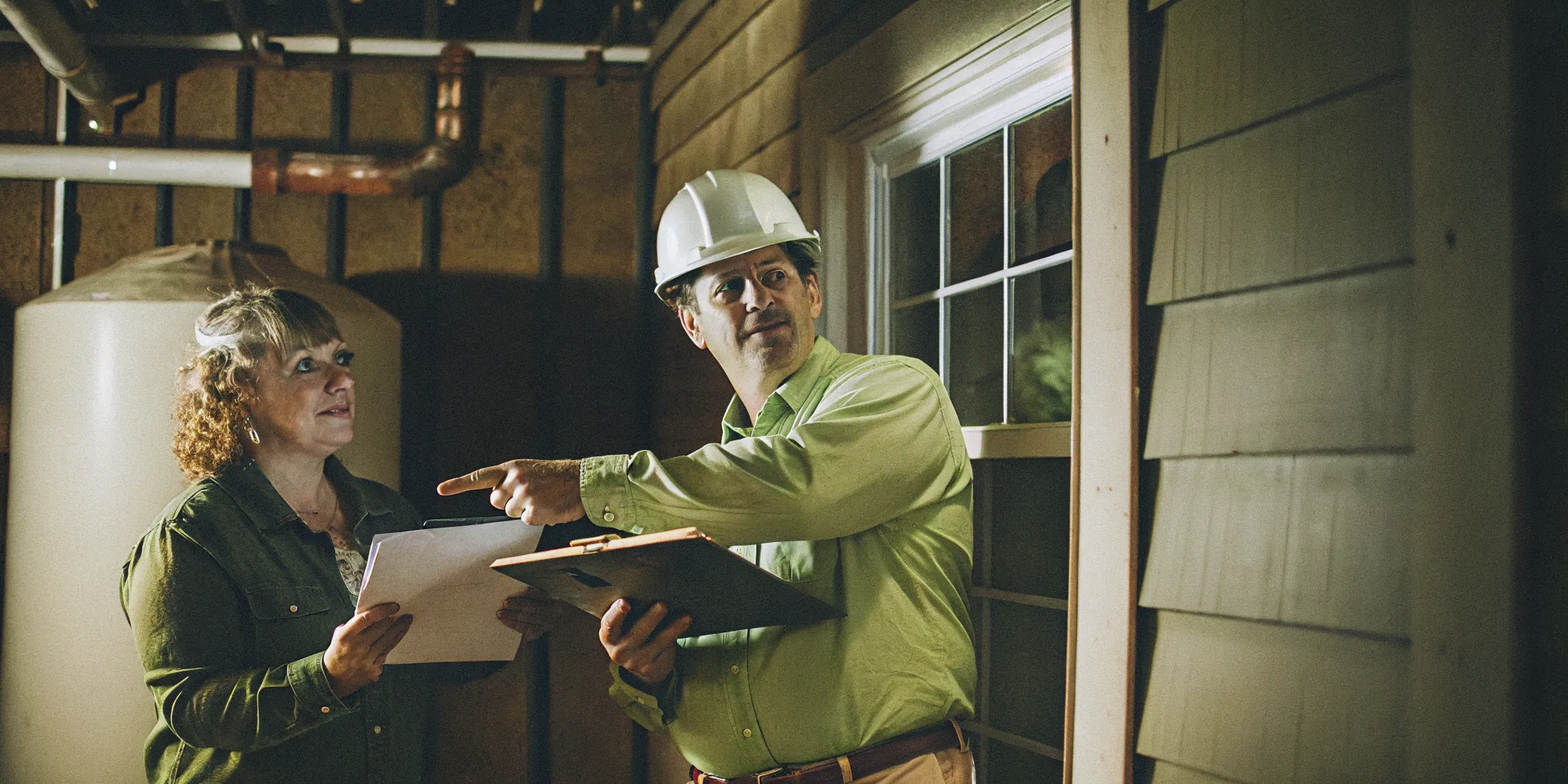
Questions About Licensing and Certifications
When you look for a contractor, check their paperwork first. Working with a team that has the right credentials keeps your home safe and ensures the job gets done right. These questions to ask before hiring an HVAC company are the most important ones to put at the top of your list on the Eastern Shore.
Are your technicians NATE certified?
Always ask if the team has NATE certification. This is the most respected standard in our industry. It shows that a technician has the training to fix complex issues and set up your system for peak efficiency. Hiring a NATE certified HVAC technician means you get a professional who knows how to handle modern heat pumps and air conditioning units. At Bay Care Heating & Air, we keep NATE certified technicians on our staff to give you the highest quality service.
Proper skills prevent poor work. According to the Environmental Protection Agency, bad installation can reduce system performance by up to 30 percent. This means a cheap install from an untrained technician can raise your energy bills for years. When you hire certified pros, you get the full efficiency you paid for.
Are you licensed and insured in our state?
Licensing rules vary by state on the Delmarva Peninsula. If you live in Maryland, your contractor must hold a valid license from the Maryland Board of HVACR Contractors. If you are in Delaware, they need a license from the Delaware Board of Electrical Specialists or Board of HVACR Examiners. We maintain active licenses in both states to serve inland and coastal towns across the region.
You also need to ask about bonding and liability insurance. These policies protect you from high costs if an accident occurs on your property. Never hire an unlicensed or uninsured worker. Doing so leaves you responsible for any damage or injury during the job.
Do you have EPA and ACCA credentials?
Any person who touches refrigerant must hold a federal EPA 608 certification. This is a strict federal law to protect the environment and ensure safety. Our technicians carry this mandatory EPA permit to handle refrigerants safely during repairs and installations.
You should also check if the company is an ACCA member. Membership in the Air Conditioning Contractors of America shows a strong commitment to quality. As a Bryant Factory Authorized Dealer and ACCA member, we follow strict local and national standards. We design every project to keep your home comfortable, dry, and highly efficient year after year.
Questions About Warranties on Parts and Labor
When you invest in a new heating or cooling system, you must know what your warranty covers. The quality of a contractor’s warranty answers shows their commitment to your home. It also shows their confidence in their own work. Before you sign any contract, there is a key target question to ask before hiring an HVAC company: what does the parts warranty cover, what does the labor warranty cover, and how long does each last?
Understand the Equipment Parts Warranty
Most brand-new HVAC units come with a manufacturer warranty that covers the equipment parts. This coverage usually lasts for five to ten years. But there is a big catch that many homeowners do not realize. A factory parts warranty only covers the cost of the physical replacement parts. It does not cover the cost of the physical work to find the problem, pull the broken part, and put in the new one.
If your compressor fails, the maker might send a new parts piece for free. Yet you still have to pay the contractor for the hours of work to swap it out. To protect yourself, always ask if your dealer has registered your new system. Registering your system with the maker is often required to get the full ten years of parts coverage. If you skip this step, your parts warranty might drop to just five years.
Evaluate the Contractor Labor Warranty
The labor warranty is what covers the physical work to fix installation defects or broken parts. This coverage comes from your local HVAC contractor, not the equipment maker. Workmanship errors are the main cause of early system issues. A study by the U.S. Environmental Protection Agency (EPA) shows that improper installation can cut system performance by up to 30%. This is why a solid labor warranty is so vital for your peace of mind.
Warranties on labor vary a lot among local contractors on the Delmarva Peninsula. Some local shops offer very short coverage. For example, Bay Care provides a 30-day labor warranty on standard repairs as a baseline of quality. On the other hand, some regional competitors like US Heating & Air advertise five-year labor warranties on new systems. You must ask each contractor for their exact labor terms in writing so you can compare them fairly.
Look for Dealer Perks and Utility Rebates
You can also ask about special dealer status perks that give you better coverage and rates. Working with a Bryant Factory Authorized Dealer gives you direct access to premium manufacturer warranties. This status also allows qualified buyers to get 0% APR financing for 60 months on Bryant systems. These perks make a system upgrade much more affordable while keeping your investment safe.
Finally, ask your contractor about utility rebate programs that can save you money. Eligible Maryland customers can get Delmarva Power rebates of up to $15,000 for high-efficiency system upgrades. A knowledgeable contractor will guide you through these rebates and help you secure every dollar you deserve. Asking about these financial perks is a great way to find a partner who wants to help you save. For more money-saving tips, check out our whole-home energy efficiency guide.
Questions About Pricing and What the Quote Covers
Pricing transparency separates professional heating and cooling companies from amateurs. When you gather quotes for a new system, look for clear, upfront pricing. A reliable contractor will break down the costs of equipment, labor, permits, and electrical work. Working with a company that lists every detail protects your budget and helps you make a smart choice.
Understand the Diagnostics and Quote Basics
You should always know what you are paying for before a technician arrives at your home. Some local companies charge a small fee to find the root cause of an issue. At Bay Care, we charge a flat $69 diagnostic fee to find the problem. If you need a full replacement quote, we offer free second opinions to ensure you get a fair price. We recommend that you get written estimates from at least three different businesses so you can compare pricing and scope.
| What a Good Quote Includes | What a Bad Quote Does |
|---|---|
| Itemized costs for equipment, labor, permits, and materials | Single lump-sum number with no breakdown |
| A Manual J load calculation sizing report | An estimate based on square footage or the old unit’s size |
| Financing options and rebate program details | No mention of financing or rebates unless you ask twice |
| Warranty terms for both parts and labor in writing | Vague verbal promises about coverage |
Insist on a Manual J Load Calculation
The size of your heating and cooling unit must fit your home perfectly. Many contractors guess the size based on your old unit or your home’s square footage, but this is a major mistake. The U.S. Environmental Protection Agency (EPA) notes that proper equipment size is vital for maximizing efficiency and comfort. To size your system, the contractor must calculate your heating and cooling loads using the Air Conditioning Contractors of America (ACCA) Manual J calculation as outlined by the EPA Energy Star program. Skipping this load calculation can lead to a system that is too big or too small, which drives up utility bills and causes early breakdowns.
Check for System Matching and AHRI Certificates
An indoor coil and an outdoor unit must work together perfectly. If they do not match, your system will not reach its rated efficiency. To prove that your system is a proper match, ask the contractor for an official Air Conditioning, Heating and Refrigeration Institute (AHRI) certificate. The EPA Energy Star guidelines state that your contractor should provide an AHRI certificate to document that your system was properly matched. Having this paperwork ensures you get the performance and efficiency you paid for.
Explore Financing and Home Energy Rebates
A new heating and cooling system is a major investment. To help with the cost, look for flexible financing options that fit your budget. Qualified buyers can take advantage of 0% APR for 60 months on high-quality Bryant systems. It is also smart to work with a whole-home HVAC contractor who understands local rebate programs. Eligible Maryland homeowners can access rebates to offset the upfront cost of energy-efficient systems. Combining these rebates with promotional financing makes upgrading your home heating and cooling system much more affordable. For more details on system costs, read our furnace replacement cost guide and heat pump installation cost guide.
Red Flags to Watch Out For
When you look for a contractor, some signs should tell you to stop. Knowing these red flags is the most valuable part of knowing what questions to ask before hiring an HVAC company on the Eastern Shore. If you spot any of the following problems, it is time to find a different business for your home comfort needs.
Unprofessional Business Practices
A reliable contractor will always show proof of their license and insurance. If they cannot or will not give you this proof, do not hire them. Watch out for companies that demand full payment before they do any work. Good contractors only ask for a deposit first, then collect the rest when the job is done.
Another major warning sign is when a contractor will not give you a clear price in writing. If they sketch quick numbers on scrap paper instead of a real estimate, they can easily raise the price later. A real, professional quote lists all parts, labor costs, and project steps in detail.
Poor System Sizing and Technical Standards
Your contractor must calculate your home’s exact heating and cooling loads to size a new system. According to the U.S. Environmental Protection Agency (EPA), proper equipment size is vital for maximizing comfort and energy efficiency. To get the right size, your contractor should calculate these loads using the ACCA Manual J standard or equivalent.
Skip any contractor who wants to sell you equipment immediately without checking your existing ductwork or calculating these heat loads. If a technician is not NATE certified, they may lack the training to do this work right. Improper installation can reduce the performance of a new system by up to 30%.
Inadequate Regional Protection and Service History
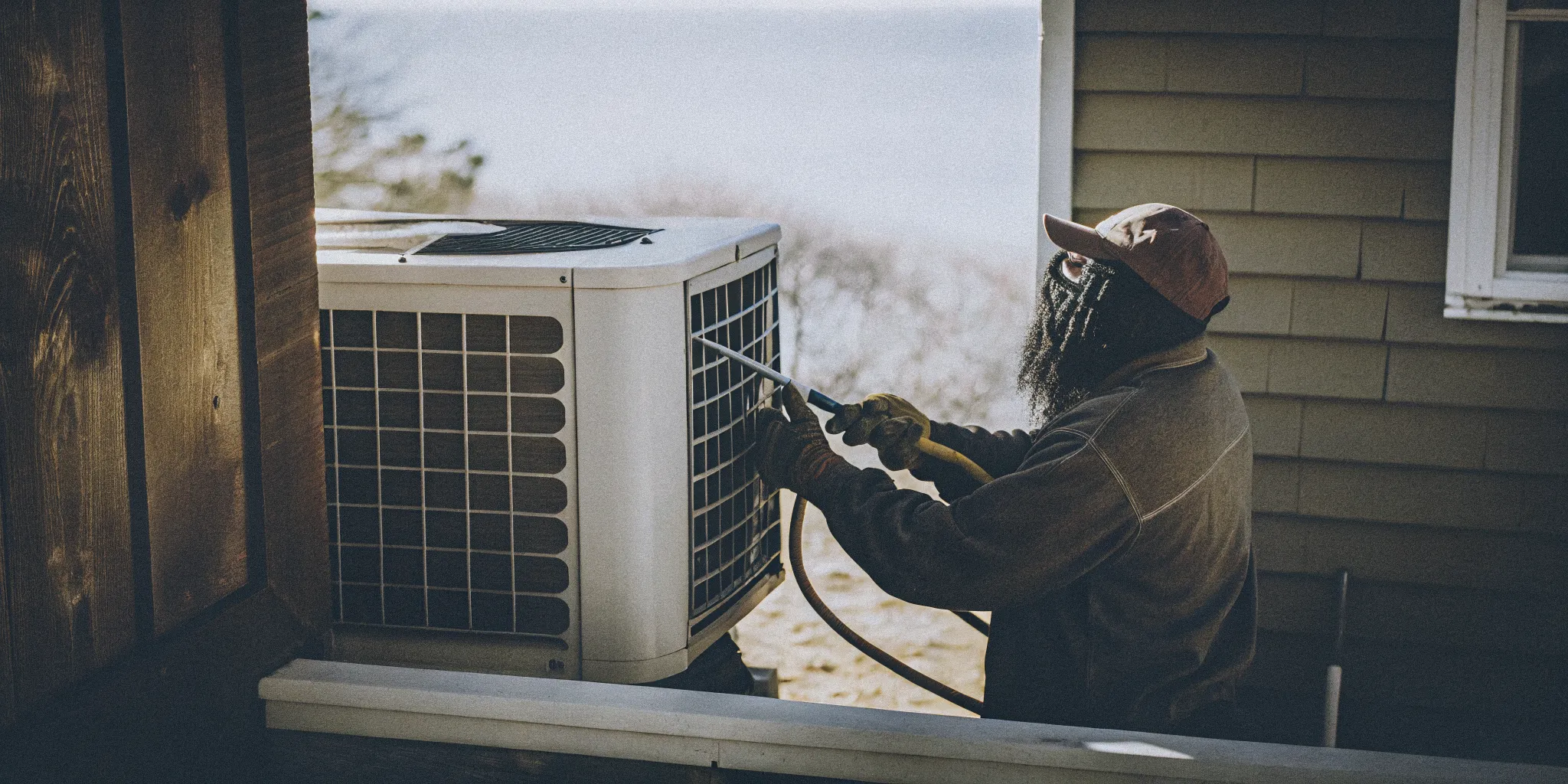
On the Delmarva Peninsula, salt air is a major threat to outdoor AC units. Near the Delaware and Maryland coast, unprotected HVAC systems may last only 8 to 10 years due to rust and corrosion. Inland systems that do not face salt air often last 15 to 20 years. If a contractor does not offer or explain coastal corrosion protection, they do not understand our local needs. Learn more in our coastal HVAC protection guide for Delaware homeowners.
You should also check public reviews and ask for local references. If a company has poor online reviews or refuses to share references from past clients, walk away. A trusted local contractor will be proud to share their record of successful work in your community. For more guidance on when to get help, read our HVAC repair warning signs article.
Seven Warning Signs to Watch For
- No proof of license or insurance: The company refuses to show active business licenses or liability insurance, or they demand full payment before any work begins on your home.
- No written estimate: The contractor refuses to provide a detailed written quote and only writes down estimated costs on scrap paper or verbal agreements.
- Skipping the Manual J load calculation: The technician tries to sell you new heating or cooling units without measuring your home or checking your current ductwork first.
- Pushing a single brand: The contractor tries to force one brand on you without explaining other choices or talking about your specific comfort goals.
- Poor online reviews: The business has a history of bad reviews online or refuses to give you any local customer references when you ask for them.
- No coastal corrosion protection: The contractor does not offer specialized salt-air coatings in coastal areas, which can cut your equipment lifespan in half.
- No NATE-certified technicians: The staff lacks industry-standard certifications, increasing the risk of poor installation and system performance drops.
Frequently Asked Questions
Why should I ask if a contractor does a Manual J load calculation?
You need to ask this because a Manual J calculation finds the exact size your heating and cooling system should be. Many contractors guess based on home size alone, which leads to wrong sizing. According to the EPA, improper sizing and poor installation can cut system efficiency by up to 30%.
What is an AHRI certificate and why do I need one?
An AHRI certificate proves that your new indoor coil and outdoor unit match perfectly to reach the rated efficiency. If the parts do not match, your system will not work well or save energy. The EPA states that your contractor must provide this certificate to prove the system is a correct match.
Are HVAC licensing rules different in Maryland and Delaware?
Yes, Maryland and Delaware have distinct state boards and licensing rules for HVAC work. A technician must hold the correct license for your specific state to pull permits and perform legal installs. Always ask a contractor to show proof of active liability insurance and the proper state license before they start work on your home.
How does salt air on the Eastern Shore affect my HVAC system?
Salt air from the coast causes metal parts to rust much faster than they would inland. A standard heat pump might only last eight to ten years near the ocean instead of fifteen years inland. Ask your local contractor if they provide specialized coastal corrosion protection coatings to shield your outdoor unit from salt damage.
Ready to hire the right HVAC team?
Delaying a major heating or cooling decision can lead to sudden system failures, poor indoor airflow, and expensive emergency repairs when you least expect them. Taking action now helps you avoid peak-season wait times, lets you secure a highly convenient appointment slot, and ensures your home stays safe and comfortable through any major seasonal weather shifts on the Eastern Shore. Our friendly local team is ready to guide you through the process, answer your questions, and deliver the high-quality care you need to protect your heating and cooling equipment for years to come. Do not wait for your unit to break down before you reach out to a professional.
Ready to get started? Call Bay Care Heating & Air at (302) 245-3365 or schedule your free consultation online today. Ask us about 0% APR financing for qualified buyers and Delmarva Power rebates up to $15,000 for eligible Maryland homeowners.


