
Coastal air can turn a new air conditioner into a rusted pile of scrap metal in record time. This salt settles on your outdoor unit and starts to eat the metal parts from the inside out.
Coastal Delaware homeowners, including those who need HVAC service in Selbyville, DE, are particularly vulnerable to the salt-corrosion issues covered in this article.
Salt air AC damage usually shows up as white dust on your coils or orange rust on the metal outer cabinet of your home cooling system. Tiny salt particles from the ocean breeze cling to the metal fins on your outdoor unit and hold moisture against them to cause a reaction. According to experts at Texas A&M University, this process is known as galvanic corrosion and it lets electricity move between two different types of metal. This damage will eat the aluminum and copper parts until they leak, which will shorten the life of your system by many years if not cleaned. You might notice your home feels warmer because the unit cannot move heat out of the house as fast when the fins are blocked by salt.
Ocean View residents can schedule AC repair in Ocean View, DE with Bay-Care Heating & Air the moment they spot any of these seven warning signs of salt-air damage.
Schedule your coastal HVAC inspection today by calling 302-245-3365.
You can stop these problems before they force you to buy a new system. It helps to know exactly how salt air AC damage starts so you can spot the warning signs in your own yard. The path begins with
How salt air AC damage starts
Living on the Delmarva Peninsula brings great views and cool sea breezes. But that same ocean air can be hard on your home’s cooling system. For people in places like Ocean City or Rehoboth Beach, salt air AC damage is a real threat. It starts the moment salt bits and ocean mist land on your outdoor unit. This can happen even if you live a few miles from the shore.
The role of galvanic corrosion
Most AC units use other types of metal to work. You often see copper tubes inside aluminum fins on the outdoor coils. When salt and water land on these parts, they act like a bridge for power. This is called galvanic corrosion. It happens because salt and moisture act as an electrolyte between the metals.
In this struggle, the aluminum fins mostly lose first. They start to break down to protect the copper parts. This is why you often see the thin fins turn to dust or flake off. This metal loss is a top cause of part breakdown for coastal HVAC units. Without help, the metal becomes weak and brittle in just a few years.
Salt and moisture trap
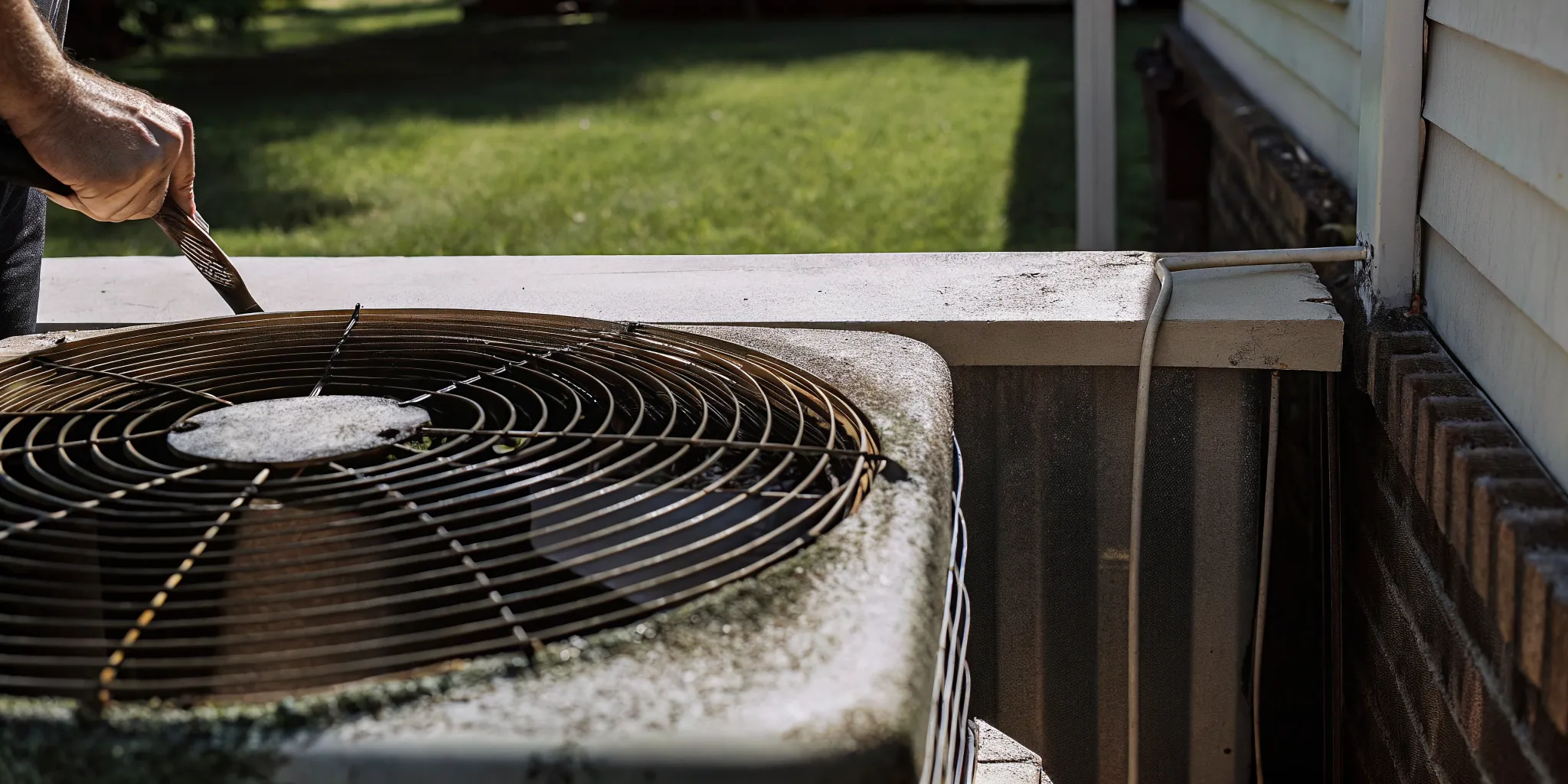
Salt is very good at pulling moisture out of the air. When salt bits stick to your AC unit, they trap water against the metal. This mix of salt and wet air leads to rust and oxidation. You might notice white, flaky stuff on your coils or red rust on the outer frame. These preventative HVAC maintenance signs show that the metal is fast breaking down.
These bits do not just sit on the surface. They cling to the condenser coils and small aluminum fins. Over time, this causes pitting, which are tiny holes in the metal. Pitting is risky because it can in time lead to refrigerant leaks. Once your unit loses its charge, it cannot cool your home at all. This cycle of moisture and salt makes the unit work much harder than it should.
Loss of cooling power
As the metal pits and corrodes, it stops moving heat well. The buildup of salt and dirt acts like a thick blanket on the coils. This blanket keeps heat trapped inside your home. Your AC must run longer and use more power to keep you cool. It is not just about the surface rust; the inside damage stops the unit from breathing.
When heat transfer fails, you will see your power bills go up each month. The system also wears out much faster. In the Delmarva area, a unit that should last fifteen years might fail in seven without care. Keeping the coils clean and using a coastal coating can help stop this early death. A small amount of salt can lead to a very big repair bill if you wait too long.
What are the early warning signs of salt corrosion?
Living near the coast means your AC unit faces a tough job. Salt and moisture in the air can cause salt air AC damage that shortens the life of your system. If you catch the signs of wear early, you can save money on repairs. Knowing what to look for is the first step in keeping your home cool. You should check your outdoor unit often to find problems before they grow into big breakdowns.
Check for color changes and residue
The first sign of salt damage is often a change in color on your unit. Look for a fine white or green powder on the metal parts. This powder comes from the way salt reacts with the metal. It shows that the coating on your AC parts is starting to fail. If you see this buildup, it means salt and moisture are already clinging to your service agreement maintenance. This buildup can block heat flow and make your unit work harder than it should.
You might also see dark spots or pits on the metal parts. These small pits are signs that the metal is being eaten away. Over time, these tiny holes can lead to leaks in your coolant lines. If your unit starts to lose cooling power, pitting on the coils may be the cause. Check the edges of the unit where salt is most likely to collect. These areas show the first signs of wear and tear from the ocean air.
Step by step guide to check your unit
You can check your AC unit for salt air damage by following a few simple steps. It is vital to stay safe while you look at your system. Never touch the inside parts of the unit while it is running. Use a flashlight to see into the dark areas of the cabinet and coils. This quick check can help you find qualified HVAC technicians before the damage gets worse.
- Turn off the power. Find the switch near your outdoor unit and flip it to the off setting to stay safe.
- Check for white or green powder. Look at the metal case and the copper lines for any signs of powder.
- Inspect the aluminum fins. Use a light to look for flaking or weak metal on the cooling fins that surround the unit.
- Look at the screws and bolts. Check the nuts and bolts to see if they are rusted or if they have become loose.
- Examine the electrical box. Look for rust or damage on the door of the box where the wires connect to the system.
- Check the bottom pan. Look at the base of the unit for standing water or heavy rust that could rot through the metal.
Signs of failing metal and parts
When salt air damage gets worse, the metal on your unit will start to flake or peel. This is common on the aluminum fins. These fins are thin and help move heat away from your home. When they corrode, they become weak and can fall off. This loss of metal makes it harder for the AC to cool your house. In coastal areas, this galvanic corrosion happens when different metals touch each other in the presence of salt water.
Do not forget to look at the small parts like screws and brackets. These small parts are often the first things to rust because they may not have a thick coating. If a screw rusts away, it can cause parts to shake and break. Check the electrical box for any signs of rust as well. Salt can seep into the box and damage the wires or the circuit board. This can lead to a sudden failure that stops your AC from turning on at all.
Catching these signs early helps you keep your system running well for a long time. If you see flaking fins or heavy rust, it may be time to talk to a pro about cleaning or coatings. Keeping the salt off your unit is the best way to prevent lasting damage. Regular checks will give you peace of mind and help you avoid the high cost of a new unit. Plus, finding these warning signs found during maintenance early can extend the life of your system.
Performance changes that can point to corrosion
Corrosion from salt air often starts in places you cannot see. While surface rust is a clear sign, the way your system runs can tell you much more. When salt and moisture cling to aluminum fins, they cause pitting that regular system care. This damage forces your AC to work harder to cool your home. You may notice your unit stays on longer or cycles on and off more often than it used to.
Low cooling and high bills
As salt air AC damage builds up, the system loses its ability to move heat well. Research shows that salt deposits can cause a large drop in heat transfer. When this happens, your home may feel warm even when the air conditioner is running. Because the system runs longer to meet your setting, your energy bills often spike. This drop in output is a primary sign that corrosion is eating away at your unit’s metal parts.
New noises and frequent repairs
Does your AC sound different lately? Corrosion can weaken the parts of the unit, leading to rattles, buzzes, or grinding sounds. In coastal areas, galvanic corrosion happens when different metals touch while wet with salt water. This can damage the coils and parts, causing your system to trip the breaker. If you find yourself calling for repairs every few months, salt air may be the root cause. Frequent breakdowns and weak airflow are strong hints that your system is reaching its end.
The need for a pro check
Many of these signs can also point to other issues like a low charge or a dirty filter. Only a pro can tell the difference between a simple fix and deep salt air AC damage. At Bay Care Heating & Air, we see how the coastal air in towns like Bethany Beach and Ocean City impacts units every day. If your system is struggling, a quick check can find if corrosion is the cause. Catching these problems early can help you avoid a full system failure during a hot Maryland summer.
Normal weathering versus salt air AC damage
All air units age over time. Near the sea, you must know the gap between normal wear and salt air AC damage. Old age happens to every unit. It often looks like light fading from the sun or a bit of dirt on the box. But salt air acts like an electrolyte that speeds up rust on aluminum fins and copper pipes. This can kill a system much faster than normal aging. Finding the signs early can save you a lot of cash on fixes.
Finding standard unit aging
A unit that is aging well will still look mostly clean. You might see some paint fading on the outer box. This is from years of sun and rain. You may also find a little dirt or grass in the vents. These things do not stop the unit from cooling your home. If you stick to a fixed care plan, these small issues will not lead to a break down. Your system should still run quietly and keep your house cool.
Normal wear does not cause the metal to flake or fall apart. The coils should still be straight and silver or gray. You should not see any odd crust or powder on the metal parts. If your bills stay steady and the air stays cold, you are likely looking at normal aging. Most units last about ten to fifteen years with good care in many places. But near the sea, that time can be much shorter if salt takes hold.
Telltale signs of salt air corrosion
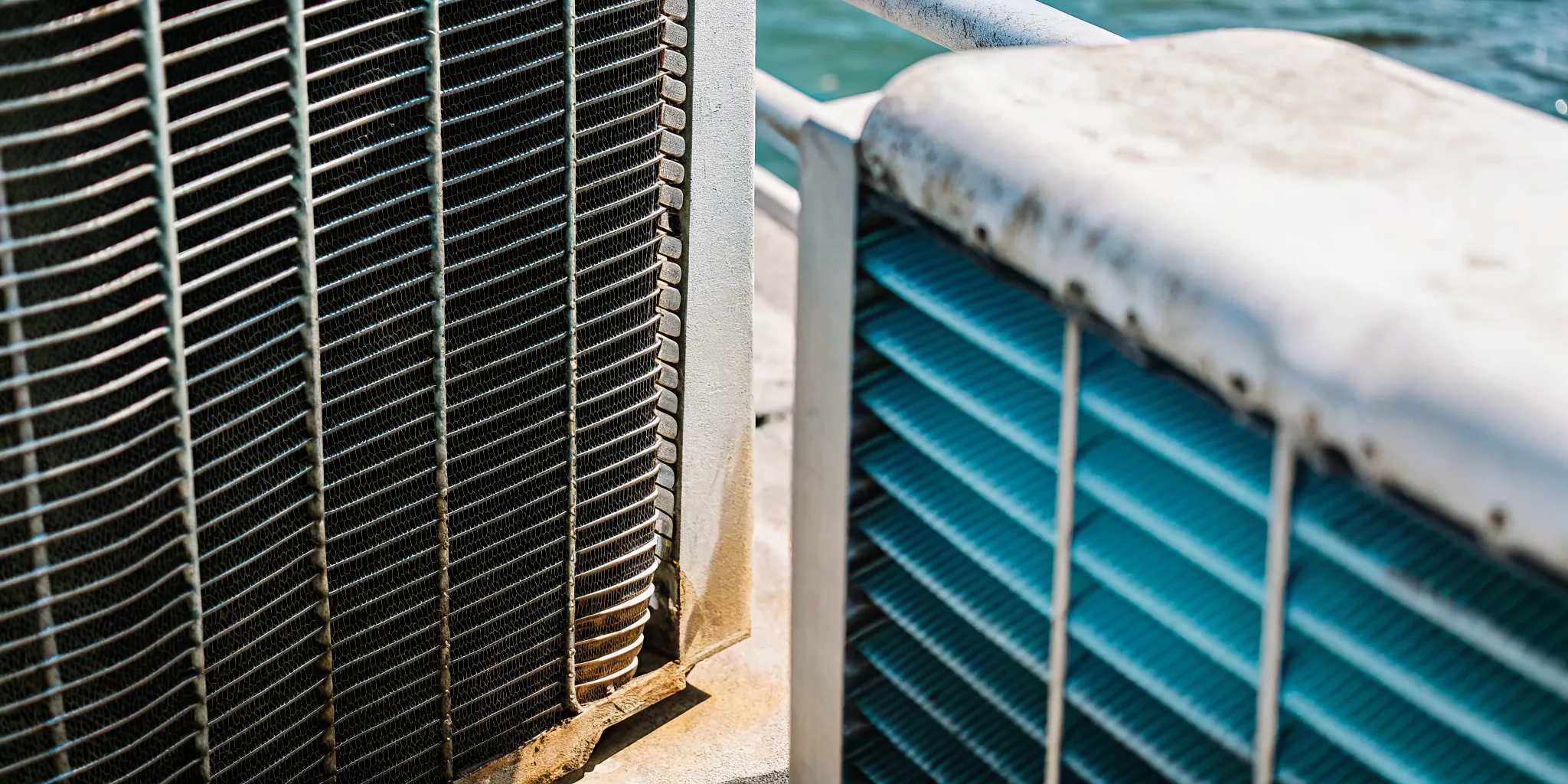
Salt air AC damage looks very different from just being old. One of the first things people see is a white, powdery crust on the coils. This is a sign that salt is eating the metal. This type of rust happens when salt and water get between different types of metal. It turns the aluminum fins into a weak mess. Over time, these fins may even flake off when you touch them. This ruins the way the unit moves heat out of your home.
You may also notice that your home is not as cool as it used to be. The unit might run for a long time without stopping. This happens because the rust blocks the flow of air and heat. Pitting is another bad sign. These are tiny holes in the metal tubes. If a hole gets too deep, the coolant can leak out. This is a big problem that needs a fast fix. If you see rust or flaking, you should call an expert right away.
Choosing the right response
Knowing what to do depends on how bad the damage is. Small signs of salt can often be cleaned off. We can then add a special coating to stop more rust. This helps the unit last longer and work better. But if the coils are already flaking, you might need a new part. In some cases, a full new system is the best choice to save on power bills. Waiting too long can lead to a total break down during a hot summer day.
| Damage Level | What you see | Best response |
|---|---|---|
| Low | Sun fading or light dust | Standard yearly tune-up |
| Medium | White powder or small pits | Pro cleaning and coating |
| High | Flaking metal or rust | Fix or swap system |
Dealing with salt air is a part of life on the coast. Yearly checks are the best way to keep your system safe. An expert can find small bits of salt before they turn into big holes. They can also check your cooling levels to make sure everything is right. Taking care of your unit now keeps it running well for years. It also helps you avoid the high cost of a new system before you are ready.
Request a coastal HVAC inspection before corrosion causes a breakdown.
When should you schedule a coastal HVAC inspection?
Living near the water means your AC unit faces a constant battle. Salt and moisture cling to condenser coils and aluminum fins. This causes pitting and corrosion. This salt air AC damage maintenance stops heat from moving well. It can also shorten the life of your system. Knowing when to call a pro can save you from a hot home and a big bill.
Check for visible signs of wear
You should book a visit if you see white, flaky crust on the metal fins of your outdoor unit. This often shows that salt is eating away at the aluminum. These deposits can lead to a big drop in heat transfer. This makes your system work much harder. Rust on the outer case or base of the unit is also a sign that salt is causing harm.
When you notice these signs, it is time for an expert to look. We can check if the damage is just on the surface. We also check if it has reached deeper parts. Catching it early lets us use special cleaners. This helps stop the rot before it ruins the whole coil.
Watch for changes in cooling
Is your home taking longer to cool down? Low cooling efficiency is a top sign of salt-induced damage. If your monthly power bills are going up but the weather is the same, salt might be the cause. Salt air acts as an electrolyte that speeds up corrosion on metal fins. This makes it hard for your AC to move heat out of your house.
A quick check before the peak summer heat can prevent a total breakdown. Our team looks for pitting and wear that you might miss. We ensure your system is ready to handle the heavy load of a Delmarva summer.
Schedule after coastal storms
Strong winds and heavy rain during a storm can push salt spray deep into your HVAC system. Even if your unit looks fine, salt particles can attract moisture. This leads to rust over time. An inspection after a major storm helps clear out these hidden threats.
We use a full whole-home approach to check your comfort and airflow. We look at everything from the outdoor unit to the ductwork. This ensures your home stays cool and your air stays clean. We help you stay safe regardless of the coastal weather.
How can homeowners reduce future salt air damage?
Living near the coast means your AC unit faces a constant threat from salt. You can take steps to slow down the wear on your system and save money. Small acts of care can add years to the life of your unit.
Use expert coil cleaning
Salt and moisture stick to your AC unit coils every day. This causes pitting and rust evaluated by qualified technicians that stops the system from cooling your home. You should have an expert clean your coils often to remove these salt bits. Do not try to use a power washer or strong soap yourself. High pressure can bend the soft metal fins on your unit. Strong soaps may also eat away at the metal and make the damage worse. A tech uses the right tools to rinse away salt without hurting the parts.
Apply special coastal coatings
Salt in the air acts as a path for current. This path speeds up the rust on the metal fins. This process is known as galvanic corrosion and it is a top cause of unit failure. You can add a special coastal HVAC coating to your unit to stop this. This layer helps block salt from touching the metal. It can slow down the wear on your system and help it last longer. Research shows that salt spray can cause a big drop in how well your unit moves heat. Cleaning and coating your unit helps it work at the best level.
Maintain your unit at home
You should also keep the space around your unit clear of plants and trash. Debris can trap moisture and salt near the metal parts. This moisture leads to rust and wear over time. Make sure there is at least two feet of open space on all sides of the outdoor unit. This helps air flow well and stops salt from sitting on the coils. You should also look for signs of rust or flaking on the unit once a month. Finding these signs early can help you fix the unit before it breaks.
A yearly check by a pro is also a must for homes near the beach. A tech can find small leaks or wear that you might miss. They check the electric parts and the fan motor for signs of salt damage. Salt bits attract moisture to the unit, which leads to rust on the inside parts. Keeping the unit in good shape can help it last for its full life. It also keeps your power bills low by helping the unit run well. Taking care of your AC now will help you avoid the high cost of a new unit.
Salt bits are like tiny magnets for water. Even on a dry day, they can pull moisture out of the air and onto your unit. This creates a wet, salty layer that never seems to go away. This layer eats into the metal and can cause holes to form. An expert check will look deep inside the unit where these salt traps form. They can rinse out the parts you cannot see or reach. This stops the salt from eating your unit from the inside out.
What does a coastal HVAC inspection include?
Living on the coast means your AC faces special risks. A normal check-up is not enough for homes in the Delmarva part of Maryland and Delaware. A true coastal check-up looks for signs of salt air AC damage that can ruin a unit in a few years. Our team checks every part of your system to find early signs of wear. This helps you choose between a quick fix or a new way to save your system.
Checking for coil and fin wear
The outdoor unit is at high risk from salt and wet air. A tech will look closely at the condenser coils and the thin metal fins. Salt air causes galvanic corrosion between the metals. This process eats the metal until the fins start to break. We check for any pits or flakes that show salt is winning the fight. If the fins are too weak, they can no longer help the system get rid of heat.
We also look at the copper tubes inside the unit. Salt can cause leaks that let your coolant out. A small leak leads to big repair bills later. By finding these spots now, we can help you stop the harm before it spreads. Our goal is to make sure your coils stay clean and strong so your AC can do its job.
Testing airflow and cooling power
Salt build-up does more than just rust metal. It forms a thick layer that stops air from moving through the unit. This layer acts like a blanket, trapping heat inside the system. Tests show that salt can lead to a big loss in heat transfer which makes your unit work poorly. We use tools to check air speed and how cold the air is in your vents. If the air is not cold enough, salt on the coils is often the cause.
We also check how much power the motor uses. A unit covered in salt has to run longer and work harder to cool your home. This puts stress on the motor and the pump. We want to see your system work at its best. If we find a drop in work, we will show you where the problem is. Keeping the airflow clear is the best way to keep your bills low and your home cool in the hot summer.
Protecting your unit for the long term
Once we know the state of your unit, we help you decide what to do. Sometimes a deep clean is all you need to get back on track. Other times, the harm is too great and you need new parts. For homes in beach towns like Rehoboth or Ocean City, we often suggest a coastal corrosion protection layer. This special coating keeps salt and water from touching the metal parts of your system.
Our check covers many key areas of your home. We look at more than just the outdoor box. We want to make sure your whole home stays cool. Our tech checks these parts:
- Wires and electrical parts for rust.
- The base and cabinet for holes.
- Ductwork for leaks or clogs.
- Attic seals to keep the cool air in.
Every part of the check is aimed at finding ways to make your system last. By taking these steps now, you can avoid the high cost of a broken system. Our whole-home approach makes sure that your AC, ducts, and attic all work as one to save you money.
Are you ready to schedule a coastal HVAC inspection today?
If you do not check your outdoor unit now, the salty sea air will eat through the metal and cause a sudden breakdown. This hidden rust forces your system to work much harder to keep you cool, which raises your bills and shortens the life of your AC. Setting up a check today helps you find these small issues early so you can save money and avoid a hot house this year.
Ready to schedule a coastal HVAC inspection? Call 302-245-3365 to book your service today. Our local team is here to help you protect your home and keep your system running well in the salt air now. We can make sure your unit is safe and ready for the summer. Bay-Care provides AC repair near Millville Delaware and throughout Sussex County to address the exact salt-corrosion problems outlined in this article.
If you recognize any of these warning signs, contact an HVAC company serving Harbeson, Delaware before minor corrosion becomes a full system failure.
Bay-Care provides expert AC repair serving Dagsboro Delaware and surrounding Sussex County communities to address all of the coastal corrosion signs outlined in this article.
Frequently Asked Questions
How far from the ocean does salt air affect AC units?
Salt air can reach as far as 50 miles inland, though the most damage occurs within 5 miles of the coast. Even if you cannot see the beach from your yard, salt particles still travel on the wind. According to Cassidy AC, these particles attract moisture that leads to rust. Regular checks are vital for any home in coastal counties to prevent surprise breakdowns and system failure.
How often should I rinse my outdoor AC unit near the coast?
You should rinse your outdoor unit at least once a month with a gentle stream of fresh water. This simple task removes salt and sand that cling to the metal fins and coils. Regular cleaning helps prevent the buildup that restricts heat transfer. As noted by Bay Care Heating and Air, keeping the system clean can lessen the risk of corrosion. It also keeps your cooling efficiency high during the hot summer months.
Can specialized coatings protect my AC from salt air?
Yes, specialized coastal coatings can help shield your unit from the harsh sea air. These coatings provide a barrier that prevents salt from touching the metal surfaces of your condenser coils. Research from Texas A and M University shows that these protections can slow down the galvanic corrosion process. While no coating is perfect, they can greatly extend the life of a system that faces constant salt spray.
How long will an AC unit last if it has salt damage?
A standard AC unit may only last 5 to 7 years in a coastal area without proper care. In contrast, units in drier areas often last 15 years or more. Salt air speeds up the wear on critical parts like aluminum fins and copper lines. According to Bay Care Heating and Air, salt-induced damage is a primary cause of short equipment life. Investing in maintenance and coatings can help your unit reach its full potential.


