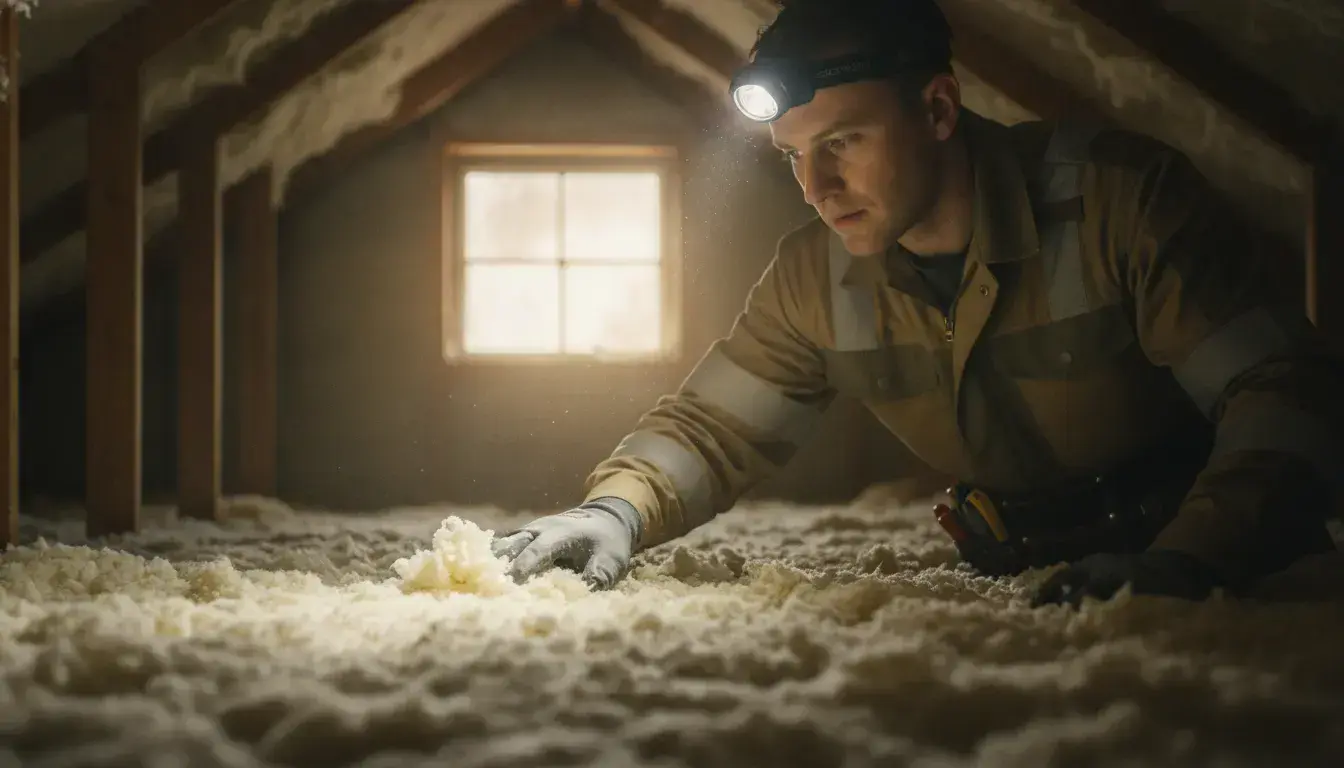
Maryland homeowners often notice the problem before they can see it: upstairs rooms swing from too warm to too cold. Drafts linger, and the HVAC system seems to run longer than it should. The attic is frequently part of that pattern, but adding insulation is not automatically the right first step.
Book a BPI-Certified Energy Assessment or call 302-245-3365 to find out whether attic insulation is worth it for your Maryland home.
Yes, is attic insulation worth it is usually a worthwhile question for Maryland homeowners when the attic is under-insulated, drafty, or allowing conditioned air to escape. The best return comes from treating insulation, air sealing, ventilation, and HVAC performance as connected parts of the home, not isolated projects.
A BPI-certified building analyst can help identify where energy and comfort are being lost before you invest. That whole-home perspective, explained in our guide to whole-home energy efficiency, is especially useful in Delmarva homes with aging insulation or uneven comfort. Start by looking at what attic insulation actually changes for your rooms, equipment, and monthly energy use.
Is Attic Insulation Worth It? A Straight Answer for Maryland
For most Maryland homeowners, yes, attic insulation is worth it when the existing insulation is thin, uneven, damp, or poorly installed. It works like a blanket for your home. Slowing heat transfer through the attic floor so your heating and cooling equipment does not have to work as hard to maintain a comfortable indoor temperature.
That matters in Maryland, where homes move between humid summers, chilly winters, and sharp temperature swings. A properly insulated attic can help rooms stay more consistent from season to season. While reducing the drafts and hot or cold spots that make some parts of the house uncomfortable. Bay Care’s attic insulation guidance reports typical heating and cooling savings of 10% to 20%, depending on the home’s current efficiency. Review the source details on attic insulation.
What you gain beyond a lower energy bill
Insulation is not a replacement for a properly sized, well-maintained HVAC system. It is the part of the home’s envelope that helps the system perform closer to its intended conditions. When less heat enters during summer and less conditioned air escapes during winter, the system may cycle more comfortably instead of running constantly to overcome the attic’s temperature.
- More even temperatures: Bedrooms, upper floors, and rooms beneath the attic are less likely to feel dramatically different from the rest of the house.
- Fewer drafts: Insulation, when paired with air sealing, helps limit unwanted air movement through gaps around penetrations, fixtures, and attic access points.
- Less HVAC strain: Reducing the heating and cooling load can support more consistent operation and may help protect equipment from unnecessary wear over time.
- Better whole-home performance: Insulation works best as part of a coordinated plan that considers air sealing, ventilation, ductwork, and HVAC efficiency together.
That last point is important. Adding insulation over active air leaks, moisture problems, or inadequate ventilation can leave part of the problem unresolved. A whole-home approach looks at how the attic, duct system, insulation, and HVAC equipment interact. Bay Care explains this approach in its guide to whole-home energy efficiency.
When should you investigate further?
Uneven room temperatures, unusually high energy bills. And insulation that sits level with or below the attic floor joists are practical warning signs that more insulation may be needed. If the attic has moisture damage, compressed material, exposed areas, or visible gaps, the right solution may involve repairs and air sealing before new insulation is added.
So, is attic insulation worth it? If your home is uncomfortable, your HVAC system runs excessively, or the attic is visibly under-insulated, it is often one of the more durable improvements you can make. An assessment can help you invest in the areas that will produce the most useful comfort and efficiency gains rather than guessing from the driveway.
The R-Value Maryland Homes Need for This Climate Zone
Maryland does not have one insulation target that fits every home. The right R-value depends on the home’s location, attic design, existing insulation, and how well air leaks are controlled. As a practical range, many Maryland attics need approximately R-38 to R-49. Homes in the state’s colder northern climate areas may need the higher end of that range for dependable year-round performance.
ENERGY STAR recommends a minimum attic insulation level of R-49 for northern U.S. zones, which is roughly 16 to 18 inches of insulation, depending on the material. Its recommended insulation R-value guidance is a useful starting point, but a local assessment is still important because Maryland spans more than one climate area.
How much insulation does R-38 to R-49 represent?
Depth is only a quick estimate because insulation materials have different insulating performance. Fiberglass, cellulose, and mineral wool commonly provide about R-3 to R-3.5 per inch. That means an attic targeting R-38 may require around 11 to 13 inches, while R-49 may require approximately 14 to 17 inches. The installed depth can vary by product, density, settling, and whether the existing material remains in good condition.
Do not assume that adding material on top of an attic problem will solve it. Air leaks around ceiling penetrations, recessed lights, plumbing openings, and ductwork can allow conditioned air to escape before insulation can do its job. Moisture and inadequate ventilation also need to be addressed. ENERGY STAR’s attic insulation project guidance supports treating the attic as a system, not simply spreading more material across the floor.
A quick way to check your current insulation
Look across the attic floor, without compressing or disturbing the material. If the insulation is level with or below the tops of the floor joists, you likely need more. Uneven room temperatures, drafts, and unusually high heating or cooling bills are additional warning signs. ENERGY STAR notes that homes with low insulation levels can have energy bills about 10% higher than they would be with adequate insulation.
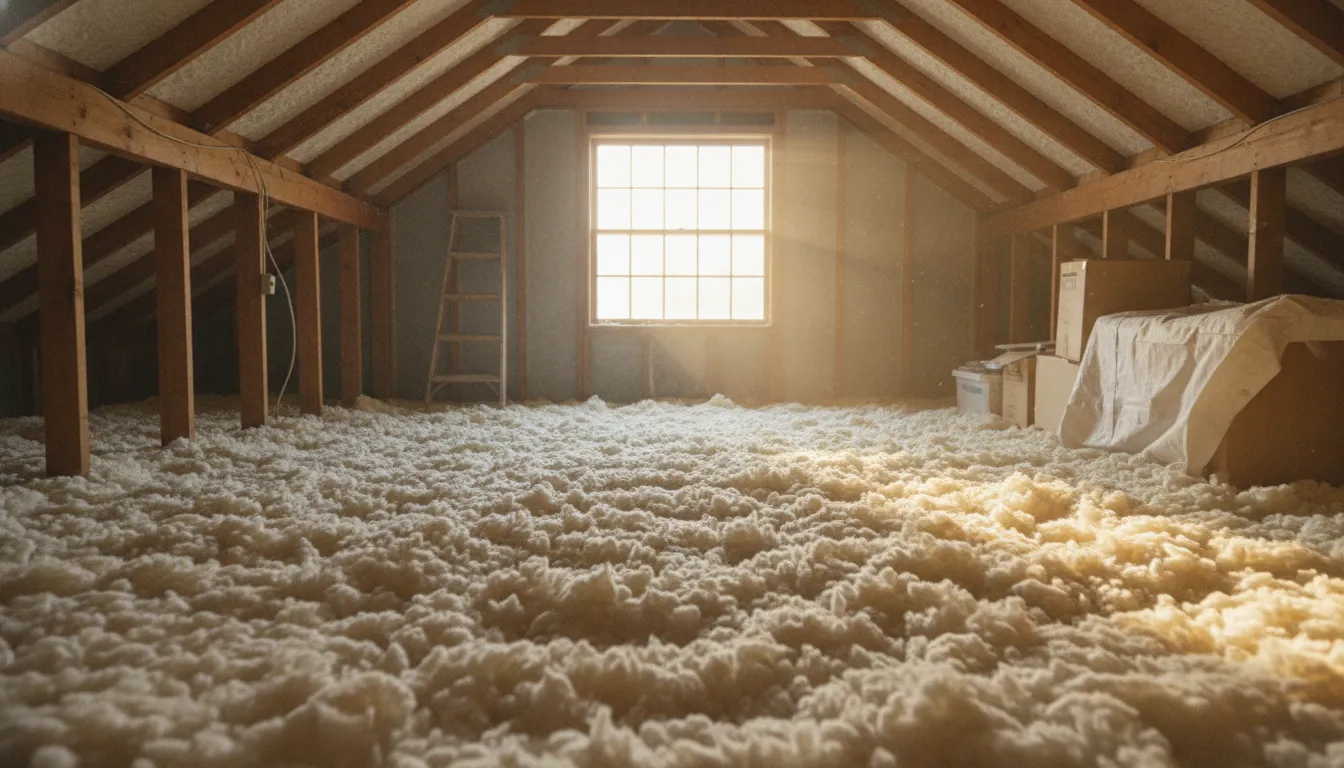
That does not mean every attic should automatically be filled to R-49. A professional evaluation can measure the existing depth, identify air leakage, and account for wiring, moisture, ventilation, and the home’s construction. The goal is to install enough insulation to reach an appropriate local R-value while making sure the attic is safe and properly sealed. This is why answering “is attic insulation worth it” starts with understanding what your home has now, not guessing from a generic depth chart.
Typical Payback Period for Attic Insulation in the Mid-Atlantic
There is no single payback period that applies to every Mid-Atlantic home. The timeline depends on how much insulation is present, whether air leaks are corrected at the same time. The home’s heating and cooling loads, project cost, and any available incentives. A lightly insulated attic with noticeable comfort problems may recover its cost faster than an attic that already performs reasonably well.
As a practical planning range, attic insulation is often evaluated over several heating and cooling seasons rather than as an immediate payback. ENERGY STAR reports that sealing and insulating can reduce heating and cooling costs by about 10% to 20%. Although actual savings vary with the home’s existing efficiency and the work performed. ENERGY STAR also notes that inadequate insulation can contribute to higher energy use, so the baseline matters when estimating results. See ENERGY STAR’s attic insulation guidance for the broader efficiency context.
Rebates can materially shorten the homeowner’s out-of-pocket recovery period. Eligible Maryland customers may qualify for Delmarva Power rebates of up to $15,000, but the maximum is not automatic. Eligibility, required audits, equipment or upgrade specifications, application timing, and funding all depend on the active program rules. Confirm the current requirements before treating a rebate as part of the payback calculation.
Why insulation can deliver value beyond the utility bill
Attic insulation is a foundational home improvement because its value is not limited to one monthly bill. By slowing unwanted heat transfer, it can help rooms hold a more consistent temperature and reduce drafts. That may allow the HVAC system to run under less strain, while also addressing comfort issues that a thermostat setting alone cannot solve. In a whole-home plan, insulation works alongside air sealing, ventilation, and HVAC improvements rather than replacing them.
Durability also affects the long-term return. Most quality insulation materials can last 30 to 50 years when they remain dry and undisturbed. That gives the improvement a long service horizon over which energy savings and comfort benefits can accumulate. Moisture, roof leaks, pest activity, compressed material, or poorly sealed penetrations can reduce performance, so those conditions should be addressed rather than covered up.
The best answer to “is attic insulation worth it” comes from comparing the installed cost with measured conditions, expected savings, and available incentives. A home energy assessment can turn that broad estimate into a project-specific decision, especially when the attic is only one part of the home’s performance.
How Attic Insulation Pairs with HVAC Efficiency Upgrades
An efficient HVAC system can still work harder than necessary when conditioned air is lost through the attic or outdoor heat enters through the ceiling. Insulation, air sealing, ventilation, and equipment upgrades address different parts of the same comfort problem. Together, they support a whole-home energy efficiency plan instead of treating the furnace or air conditioner as an isolated appliance.
| Consideration | Insulation-only approach | Whole-home approach |
|---|---|---|
| Primary focus | Adds or replaces attic insulation to slow heat movement. | Coordinates insulation, air sealing, ventilation, ducts, and HVAC equipment. |
| HVAC workload | May reduce heat transfer, but leaks and duct losses can remain. | Reduces avoidable load before equipment is repaired, replaced, or upgraded. |
| Comfort result | Can improve ceiling temperatures and reduce some drafts. | Targets uneven rooms, airflow problems, leakage, and temperature swings together. |
| Long-term value | Helpful when insulation levels are clearly inadequate. | Helps the HVAC system operate in a better-performing envelope, which may support equipment longevity. |
Air sealing is especially important because insulation does not stop air movement through gaps around wiring, plumbing, recessed lights, and attic access points. The EPA explains that weatherization combining insulation and air sealing can help prevent pollutants and moisture from entering living spaces. That makes the project about indoor air quality as well as energy use. Ventilation must also be planned correctly so the attic can manage moisture without undermining the thermal boundary.
The same principle applies to distribution. If ducts leak or are poorly insulated, an upgraded heat pump or air conditioner may deliver less of its expected benefit. Reviewing duct sealing alongside attic improvements can help keep conditioned air moving where it belongs. Then, when it is time to compare equipment options, the expected HVAC energy savings are based on a more complete picture of the home.
So, is attic insulation worth it? Often, yes, but the strongest answer comes from identifying how the attic interacts with the rest of the house. Bay Care’s whole-home approach evaluates those connections before recommending an improvement, helping homeowners invest in the changes most likely to improve comfort and reduce unnecessary HVAC strain.
What a BPI Energy Assessment Tells You Before You Invest
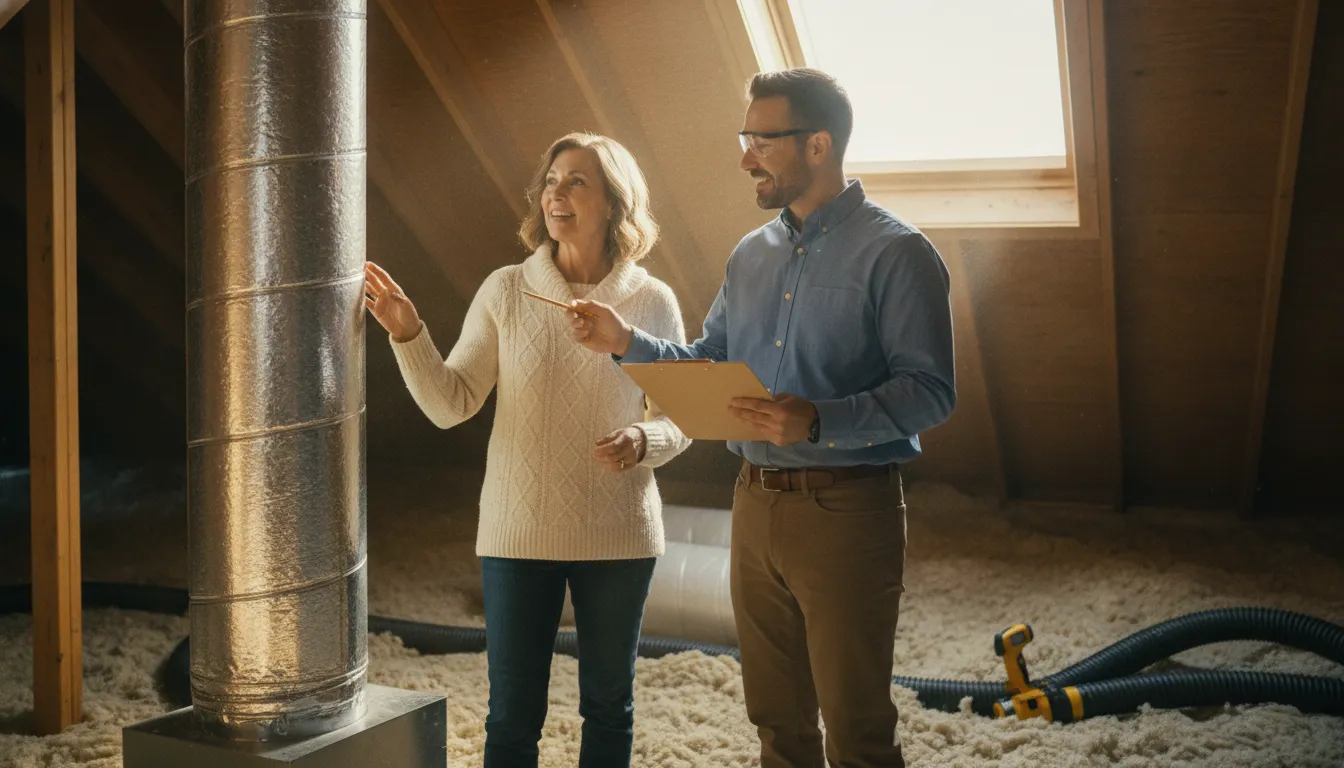
Before adding insulation, it helps to understand where your home is losing energy and what condition the attic is in now. A BPI Certified Building Analyst looks at the home as a connected system, rather than treating insulation as an isolated product. That distinction can prevent you from adding material where air sealing, ventilation, duct repairs, or another improvement should come first.
-
Start with comfort and energy-use clues
The assessment begins with the problems you notice in daily life. Uneven room temperatures, unusually high energy bills, and rooms that feel drafty or difficult to heat and cool can all point to insufficient attic insulation or air leakage. Insulation that is level with or below the floor joists is another practical sign that the attic may need attention. These observations help focus the inspection on the areas most likely to affect comfort and operating costs.
-
Test the home for air leakage
A blower-door test temporarily depressurizes the house so the analyst can measure how much air is moving through unintended openings. The result helps identify leakage around attic penetrations, recessed lights, plumbing, wiring, top plates, and other points where conditioned air can escape. Air sealing is important because adding insulation over significant leaks may not deliver the performance you expect. The goal is to stop the unwanted airflow before installing or increasing insulation.
-
Inspect insulation depth, condition, and thermal weak spots
The analyst examines the attic for low or uneven insulation, compressed areas, gaps, moisture concerns, and locations where heat can bypass the insulation layer. Thermal inspection can reveal cold or hot patterns that are difficult to spot from the attic floor alone. This creates a clearer picture of whether the home needs more insulation, repairs to existing material, or a different strategy for specific sections.
-
Match the recommendation to the home
There is no single correct insulation depth for every house. A BPI assessment considers the home’s construction, current insulation, air leakage, ventilation, and the right R-value for the local climate. It can also flag electrical or moisture issues that should be addressed before work begins. Bay Care’s BPI Certified Building Analyst uses this whole-home view to recommend a sequence of improvements, not simply the largest possible insulation installation.
-
Review the investment and available incentives
The final assessment should give you a practical path forward, including which work matters most and why. Eligible Maryland customers may have access to utility rebates or other energy-efficiency incentives, but availability and amounts are program-dependent. Bay Care can help you understand how an assessment fits into its energy audit services and whether attic insulation should be completed alongside air sealing or HVAC improvements. For background, see this guide to a home energy audit.
Call 302-245-3365 to schedule a BPI-certified home energy assessment and get a clear answer on attic insulation for your Maryland home.
Frequently Asked Questions
Is attic insulation worth the investment?
Usually, yes, especially when the attic has low insulation levels, drafts, or uneven room temperatures. The value comes from improved comfort, lower heating and cooling demand, and a project that can remain effective for decades when kept dry and undisturbed.
How much can attic insulation save on energy bills?
Typical savings may range from 10% to 20% on heating and cooling costs, but your results depend on existing insulation, air leakage, HVAC efficiency, and household use. Treat that range as an estimate, not a guarantee. Bay Care’s attic insulation guidance provides the supporting range.
How do I know if my Maryland attic needs more insulation?
Look for insulation that is level with or below the floor joists. Rooms that stay hotter or colder than the rest of the home, drafts, or unusually high energy bills. A BPI-certified energy assessment can measure insulation depth, identify air leaks, and show which improvement should come first.
What type of attic insulation is best for a Maryland home?
There is no single best material for every attic. Fiberglass batts, blown-in cellulose, and spray foam have different R-values, installation methods, and air-sealing capabilities. The right choice depends on the attic’s existing condition, ventilation, moisture control, access, and target R-value.
Are rebates available for attic insulation in Maryland?
Utility programs and federal incentives may be available for eligible Maryland customers, but requirements, amounts, and eligible improvements are program-dependent. Confirm current requirements before budgeting, and ask for an assessment that can identify qualifying efficiency opportunities.
Schedule a BPI-Certified Home Energy Assessment
An assessment can help you understand how your attic insulation, air sealing, ventilation, and HVAC system work together before you invest in an upgrade. Bay Care Heating & Air can help you determine whether insulation is worth it for your Maryland home and identify the next practical step. Call 302-245-3365 to schedule your BPI-certified home energy assessment.


